
[Springer 2022] Beyond the Points: The Ethical Tightrope of Gamification in Online Retail
Gamification and customer experience in online retail: a qualitative study focusing on ethical perspective
This qualitative study explores the impact of gamification on customer engagement and motivation in online retail, particularly during the COVID-19 pandemic. By interviewing gamification experts and using NVivo for sentiment analysis, the research identifies how game mechanics enhance sales while uncovering significant ethical concerns regarding consumer manipulation and transparency.
TL;DR
Gamification has moved from a "nice-to-have" feature to a critical survival strategy for online retailers post-COVID-19. However, this study warns that the industry is at a crossroads: while game mechanics like leaderboards and "exclusive unlocks" drive massive engagement, a systemic lack of ethical transparency is fostering a "negative ethical perception" among experts that could eventually erode the very consumer trust brands are trying to build.
Background: The Pandemic Catalyst
The COVID-19 pandemic didn't just move shopping online; it forced a psychological shift. With physical "window shopping" gone, retailers turned to gamification to replicate the dopamine hit of discovery. This paper positions gamification as a tool to solve the "boredom" of standard e-commerce interfaces, positioning it as a mandatory evolution rather than a mere marketing gimmick.
Problem & Motivation: The Dark Side of the "Fun"
Traditional marketing focuses on the "What" (points, badges, leaderboards). This study asks the "Should":
- Autonomy vs. Paternalism: Does nudging a consumer to spend more time on an app infringe on their freedom of choice?
- The Transparency Gap: Many gamified systems track user behavior (cookies, heatmaps) without clear disclosure, treating consumers like "guinea pigs" in a vast behavioral experiment.
- The Framework Vacuum: There is currently no gold standard for "Ethical Gamification," leading to "Black Hat" tactics that prioritize short-term conversion over long-term wellness.
Methodology: Listening to the Architects
Instead of surveying confused consumers, the authors interviewed 10 "Gatekeepers"—experts in UX, Gamification Labs, and Product Management. By using NVivo 12 for sentiment analysis, they were able to quantify the experts' own skepticism.
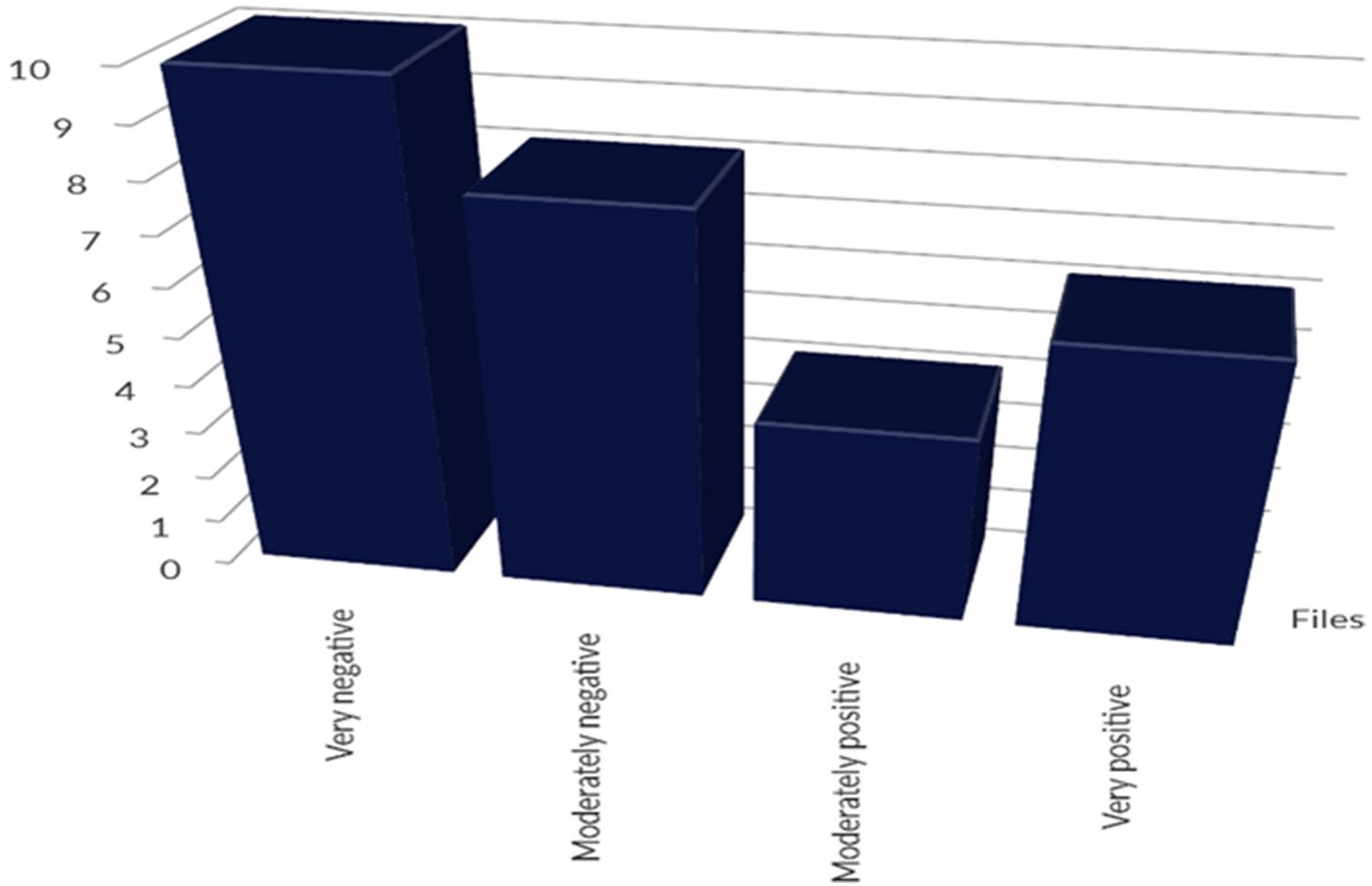 Figure 1: Sentiment analysis showing the split between positive views on applicability and negative views on ethics.
Key Insights: Why It Works (and Why It Fails)
1. Applicability & The Psychology of Competition
Experts agree that gamification taps into the subconscious. Mechanisms like "Level Unlocks" for exclusive products (e.g., the ASOS or Nike+ models) create a sense of status that traditional discounts cannot match.
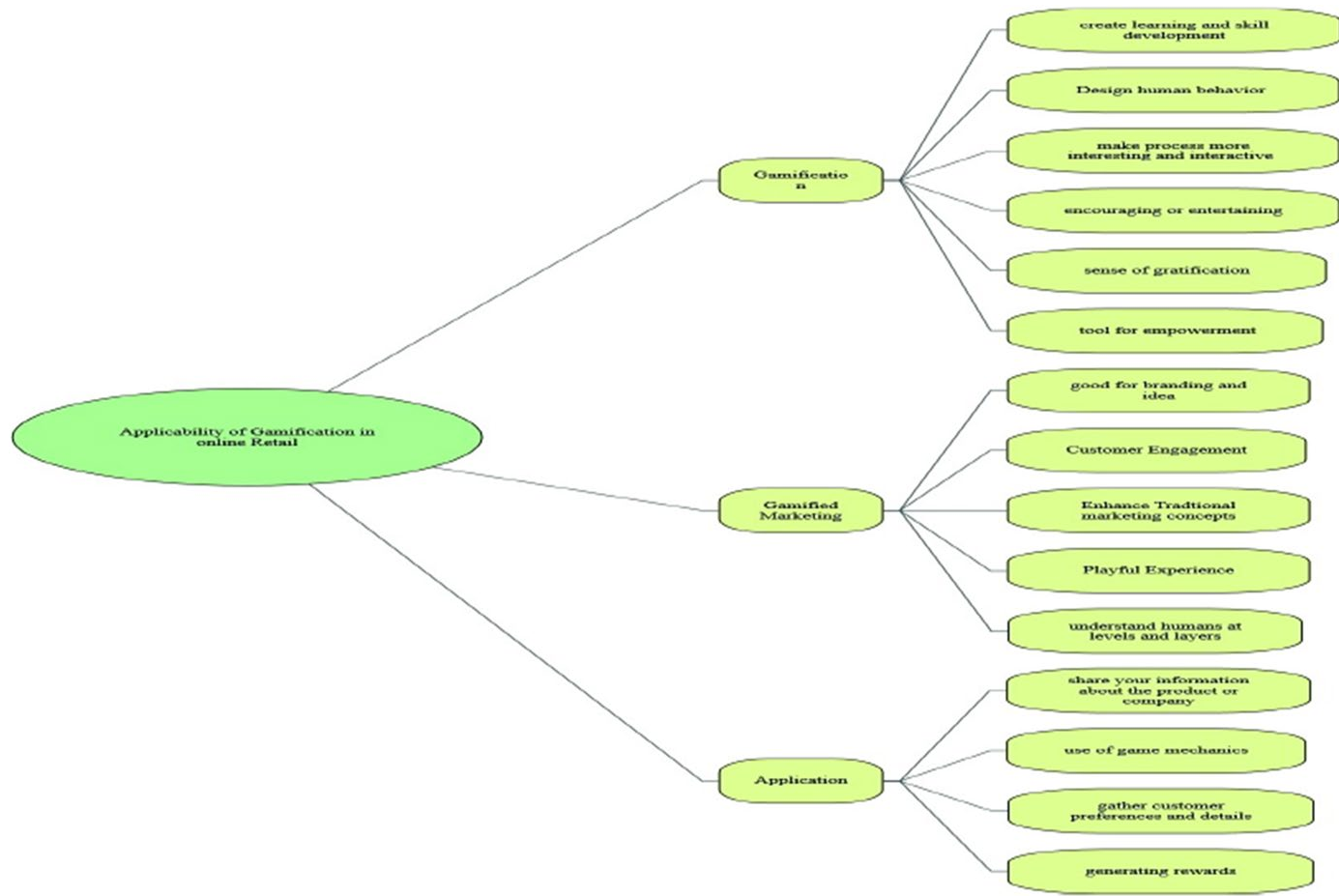 Figure 2: The interconnected benefits of gamification, from retention to interactive fun.
2. The Three Pillars of Ethical Concern
The study highlights three critical ethical failures current in the market:
- Manipulation: Hiding the true purpose of a game (data harvesting) or making it too difficult to quit (addictive loops).
- Exploitation: Pushing customers to perform "work" (referrals, content creation) without tangible rewards.
- Deception: Instances where third parties spoof brand games to steal information (e.g., fake Adidas voucher games).
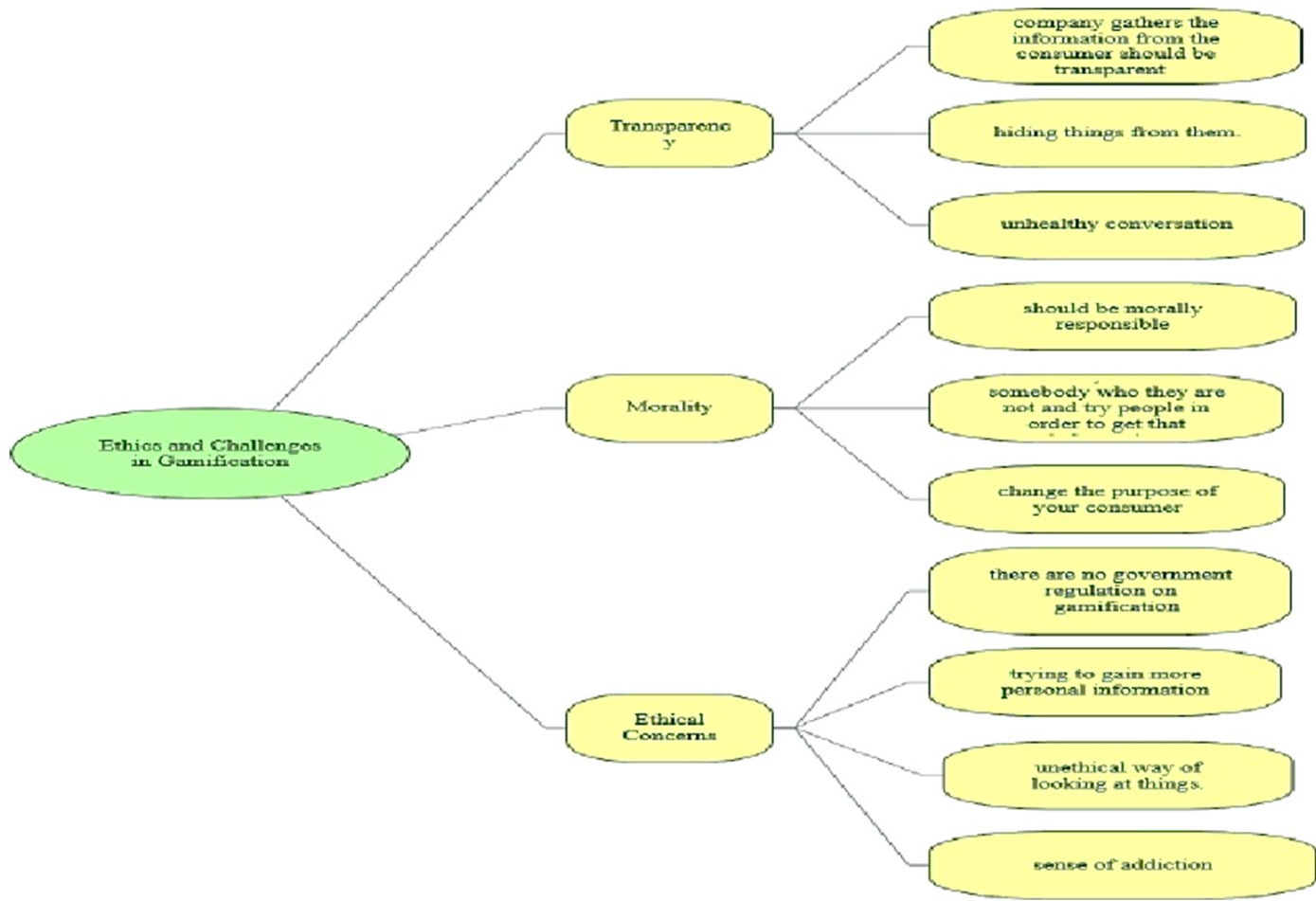 Figure 3: Mapping the ethical pitfalls, from lack of transparency to consumer addiction.
Critical Analysis: The Verdict
The most striking finding is the Semantic Analysis mismatch. While the "Applicability" of gamification is viewed with high positivity, the "Ethics" of it is viewed negatively even by the people designing the systems. This suggests a "Gold Rush" mentality where technical capability has outpaced moral framework development.
Limitations
- Sample Size: With only 10 participants, the study provides deep qualitative insight but lacks broad quantitative validation.
- Geographic Focus: While it includes experts from Colombia, Hungary, and India, the retail focus leans heavily toward emerging digital economies.
Future Outlook: "White Hat" Retail
For gamification to survive the inevitable "regulatory winter," retailers must move toward:
- Transparent Consent: Clearly stating what data is collected during play.
- Value-Second Satisfaction: Focusing on the fun and hedonic value of the experience rather than just the monetary reward.
- Human-Centric Design: Building games that respect the user’s time and intelligence rather than exploiting cognitive biases.
Takeaway: In the post-pandemic digital economy, a game that feels like a trap will eventually lose to a game that feels like a service.