
The Gamified Screen: Decoding the Success of Live Streaming’s "Reward Economy"
Gamification Elements on Social Live Streaming Service Mobile Applications
This study presents a comprehensive content analysis of gamification elements in Social Live Streaming Services (SLSSs), examining 20 global mobile applications. It identifies 14 core game mechanics and concludes that Chinese SLSS apps are significantly more gamified than Western counterparts, with several Chinese platforms implementing the full suite of identified elements.
TL;DR
Why do users spend hours—and millions of dollars—on live streaming apps? A deep-dive study of 20 global platforms reveals that "Social Live Streaming Services" (SLSS) have evolved into complex gamified ecosystems. While Western legacy platforms like Facebook Live use minimal mechanics, Chinese innovators like Huajiao and Yizhibo have perfected a 14-point gamification architecture that turns every stream into a competitive, rewarding game.
Context: Beyond the "Broadcast"
Traditional media is about consumption; Social Live Streaming is about interaction. However, when one streamer communicates with thousands of viewers, interaction becomes a bottleneck. The authors position gamification as the solution to this "one-to-many" communication gap, transforming passive viewers into active "players" who compete for the streamer’s attention through virtual currency, digital gifts, and leaderboard dominance.
Motivation: Why We Play the Stream
The research roots its analysis in Self-Determination Theory (SDT) and Uses and Gratifications Theory (UG&T). The core insight is that streamers aren't just looking for money—they seek competence and fame (intrinsic and extrinsic rewards). By implementing mechanics like Levels and Badges, apps provide a visible "Progress Bar" for a streamer's career, making the grind of daily broadcasting feel like leveling up an RPG character.
Methodology: The 14 Pillars of Engagement
The authors identified 14 mechanics used across 20 apps. These range from "Basic" social features to "Hardcore" economic drivers:
- The Social Connectors: Customization and Following others (found in 95% of apps).
- The Reward Economy: Virtual Currency, Gifts, and Points (found in 80-90% of apps).
- The Competitive Layer: Leaderboards, Levels, and Progress Bars.
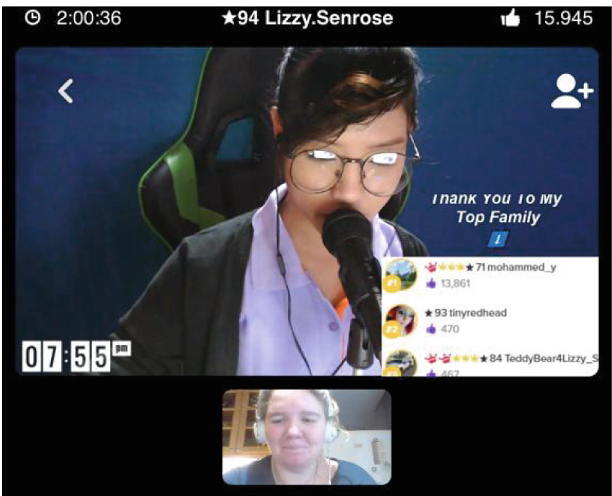 Figure 1: Comparison of interface designs across different global regions.
Results: The China-USA Gamification Gap
The most striking finding is the geographic disparity in "Gamification Density."
| Region | App Example | Mechanic Count | Characteristics |
|---|---|---|---|
| China | Huajiao / Yizhibo | 14 / 14 | Hyper-competitive, mission-driven, complex economies. |
| USA | YouNow | 14 / 14 | A rare Western outlier with high gamification. |
| USA | Facebook / YouTube Live | 5 - 6 / 14 | Embedded features; gamification is secondary to social networking. |
| Germany | Picarto | 3 / 14 | Niche-focused, minimalist. |
Chinese apps leverage a "Pragmatic Culture" where success and achievement are highly valued. With over 200 competing services in China, gamification is no longer a "bonus"—it is a survival mechanism to prevent user churn.
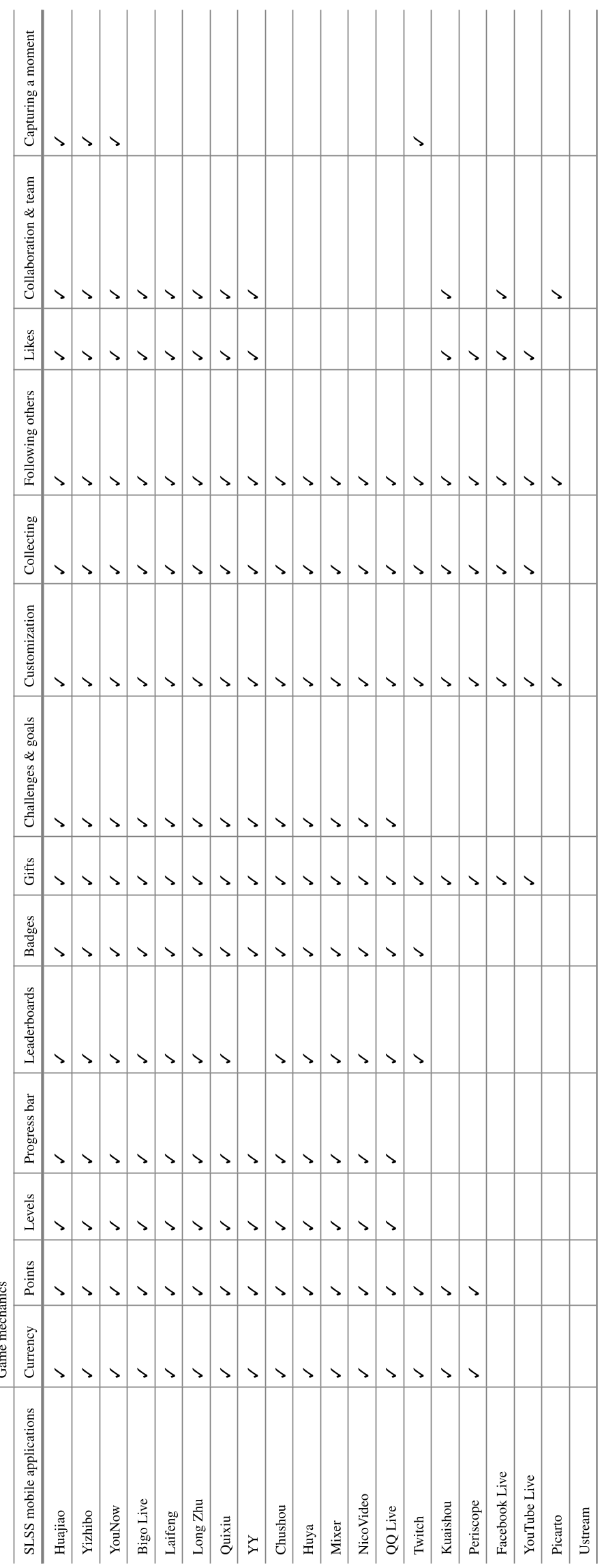 Figure 2: The distribution of game mechanics across the 20 studied services.
Critical Insights: The Future of the "Moment"
Interestingly, the study found that "Capturing a moment" was the least implemented mechanic (only 4/20 apps). The authors suggest this is because many platforms now allow "VOD" (Video on Demand) replays, reducing the need for manual clips.
However, from a Senior PhD perspective, this highlights a missed opportunity: in the era of TikTok and Shorts, the ability to gamify the "viral clip" creation process is the next frontier. Apps that can reward viewers for "collecting" and "sharing" highlights—essentially turning fans into a marketing team—will likely dominate the next decade of SLSS.
Conclusion
This paper serves as a blueprint for understanding why some streaming apps feel like "life" while others feel like "tools." For developers and researchers, the takeaway is clear: Gamification is the "Inductive Bias" of social interaction in the digital age. If you want engagement, you don't just need better video quality; you need a better game loop.
Limitations: The study is limited to a snapshot of 20 apps. As Generation Z becomes the primary consumer, the demand for even more immersive, high-frequency reward cycles will likely push even "conservative" Western apps toward the hyper-gamified Chinese model.