
Gamification Framework: Engineering Human Values in the Saudi Digital Era
Gamification in Saudi Society: A Framework to Develop Human Values for Early Generations
The paper proposes a specialized gamification framework titled "Using Gamification to Develop Human Values for Children in Saudi Arabia." It introduces a seven-step methodology designed to instill behavioral values such as organization and obedience in children aged 4 to 12 through an integrated learning-entertainment approach.
TL;DR
In an age where technology drives daily life, researchers from Prince Sultan University have designed a strategic 7-step Gamification Framework specifically for Saudi society. By converting "wasted" gaming time into a value-driven experience, the framework targets children aged 4–12 to foster essential traits like organization and obedience through structured digital engagement.
The Motivation: From Entertainment to Empowerment
While gamification is widely spread—found in everything from NASA programs to marketing—its application in Human Development for children remains underutilized. The authors argue that modern children spend excessive time on games that offer zero educational ROI. The core insight here is that instead of fighting the gaming trend, we should "hijack" the fun to instill social and cultural pillars that schools might miss.
Methodology: The 7-Step Value Engineering Framework
The paper moves beyond simple reward systems, proposing a rigorous architectural flow for developers and educators:
- Storyboard & Psychology: Understanding the user's mentality to ensure the experience is "comfortably attached" (retention).
- Technique Selection: Implementing multi-player challenges, leaderboards, and achievement badges to foster social collaboration.
- Adaptive Design: Tailoring language and mechanics to specific age brackets (e.g., the needs of a 4-year-old vs. a 12-year-old).
- Policy & Ethics: Ensuring compliance with global standards like COPPA to protect child privacy.
- Prototyping & Launch: Utilizing beta testing to refine the value-delivery mechanism.
- Continuous Feedback: Measuring behavioral changes post-play.
- Maturity Assessment: Evaluating the game on a scale from "No-exist" to "Optimized" (Purpose-driven).
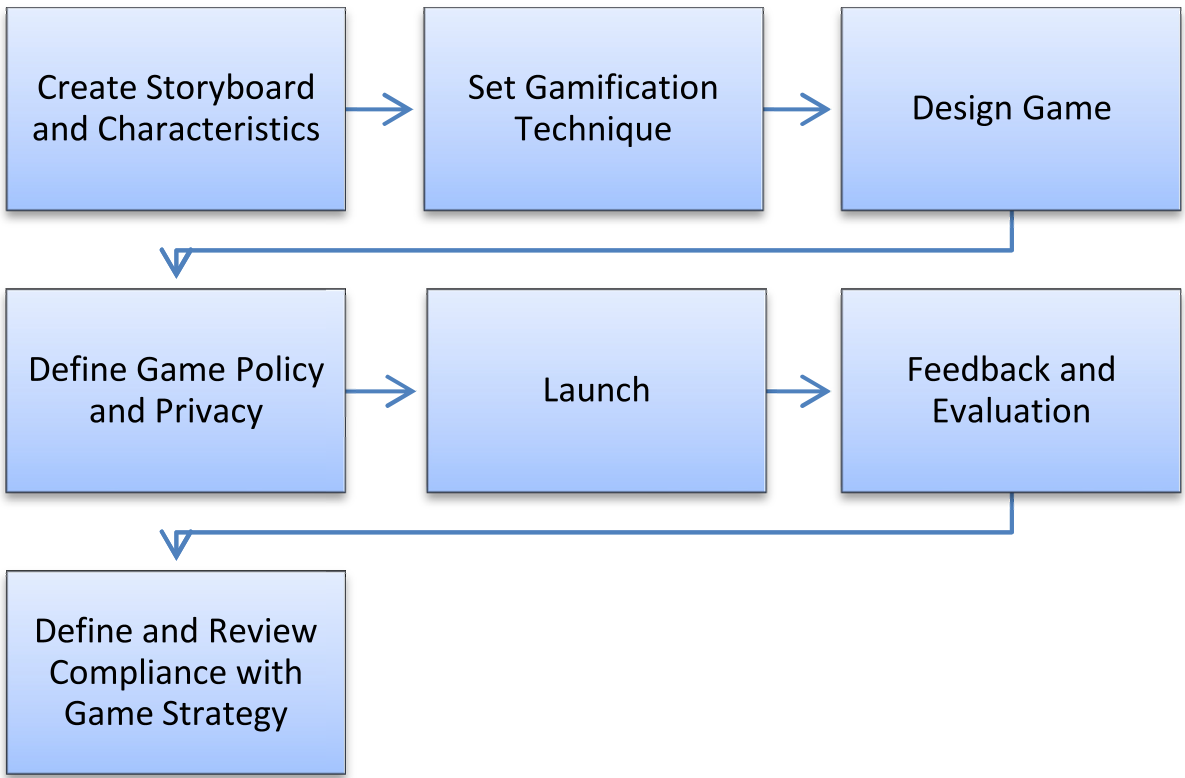 Fig 1: The proposed gamification lifecycle for human value development.
Regional Insights: Identifying the "Value Gap"
The strength of this research lies in its empirical grounding. A survey of 143 participants (primarily educated Saudi mothers) revealed a significant deficit in specific behavioral traits.
-
Organization: Identified as the most absent value.
-
Obedience: Ranked as the second highest priority for development.
-
Context: 93.3% of the study group lives in Saudi Arabia, making this framework highly specialized for local sociocultural dynamics.
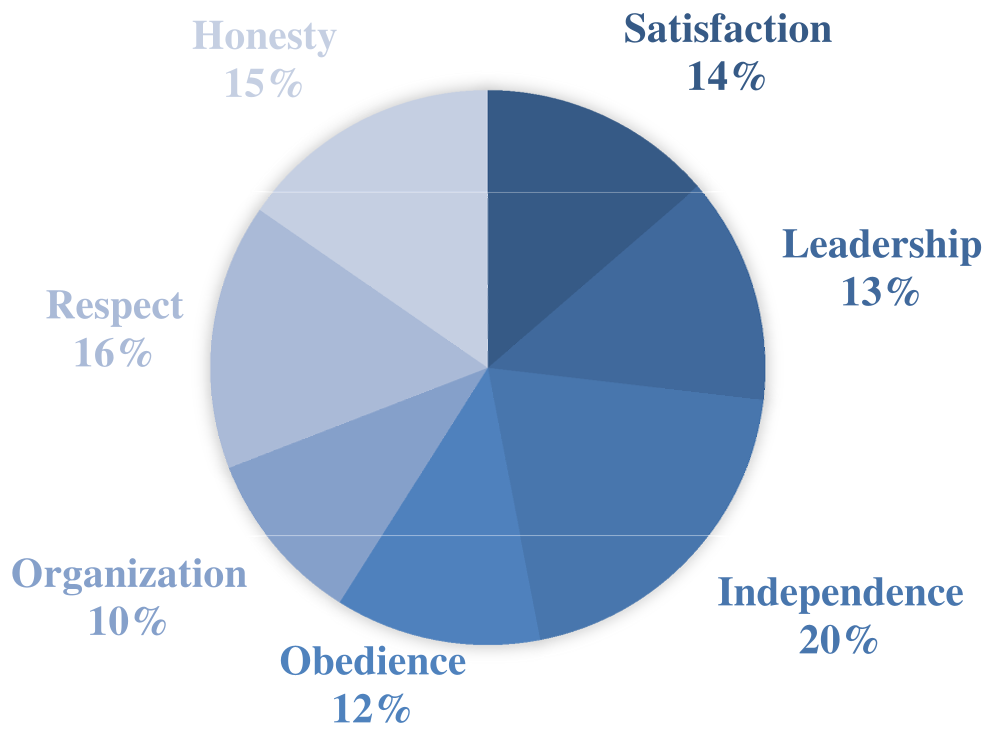 Fig 2: Statistical observation of behavioral values in Saudi children.
Critical Analysis & Conclusion
The framework introduces a critical "Maturity Model" that differentiates between games used for Pleasure and those used for Purpose. By categorizing a game's maturity, developers can move away from "viral diffusion" (shallow engagement) toward "actual human development" (deep engagement).
Limitations & Future Work
While the framework is robust, the current study relies heavily on self-reported survey data from parents. Future iterations intend to adopt the framework into the Arabic language and implement real-world pilot tests to track the longitudinal impact of these games on children's actual behavior in school settings.
Final Takeaway: Gamification is no longer just a "buzzword" for marketing; it is a structured pedagogical tool that, when localized, can serve as a primary vehicle for social responsibility and cultural preservation.