
Beyond Role Models: Why Gender Homophily is the "Silver Bullet" for CS Retention
3983_Importance of gender homophily in the computer science classroom.
This study investigates the decline of female participation in Computer Science (CS) through the lens of classroom communication climate. Using a sample of 66 students at minority-serving institutions, the researchers identified "Gender Homophily"—the perception of gender similarity and equal treatment—as the primary predictor of student satisfaction and retention, surpassing the impact of teacher or peer immediacy.
TL;DR
The persistent gender gap in Computer Science (CS) is often blamed on a lack of role models or intimidating curricula. However, this study reveals a deeper systemic issue: the Classroom Communication Climate. By analyzing interviews with 66 CS majors, researchers found that the perception of Gender Homophily—feeling that gender does not dictate skill or treatment—is the single most significant predictor of whether a student stays in the program. Surprisingly, traditional "teacher encouragement" (immediacy) was found to be less influential than the underlying gender culture of the classroom.
The "Plunge": Why Women are Leaving CS
Since the mid-1980s, the percentage of women majoring in CS has seen dramatic fluctuations, often resulting in a downward trend relative to their male counterparts. While previous literature points to "socialization" or "software bias," this paper argues that the CS classroom is a social system. If a female student feels that she is fundamentally "different" from the dominant male group, the resulting communication barriers prevent her from integrating into the academic culture.
Methodology: Measuring the Unspoken
The researchers didn't just look at grades; they looked at perception. They operationalized three key communication drivers:
- Teacher Immediacy: Personal attention and helpfulness from instructors.
- Peer Immediacy: Feeling treated as "one of the group" by classmates.
- Gender Homophily: The belief (or lack thereof) that gender creates a divide in skill or ability.
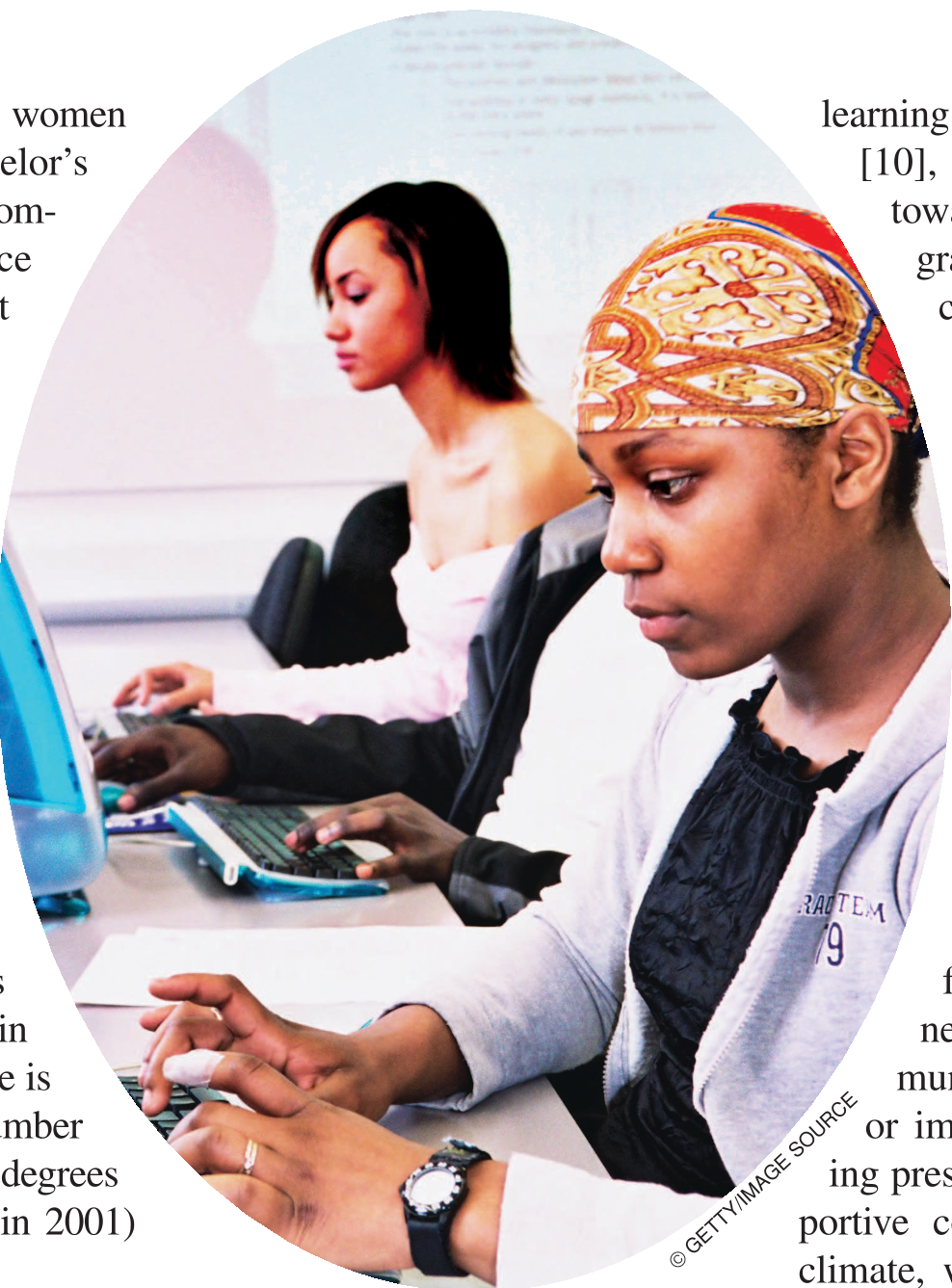
The study utilized a sample of 66 students from Minority-Serving Institutions, ensuring the findings account for intersectionality across White, African American, Hispanic, Native American, and Asian American backgrounds.
Key Findings: The Power of Homophily
The results from the Chi-square and Stepwise Logistic Regression analyses were striking. Of the three hypotheses tested, only one was supported:
- H1 (Teacher Immediacy) & H2 (Peer Immediacy): Not Supported. In this specific CS context, simply being "nice" or "accessible" wasn't enough to predict long-term satisfaction.
- H3 (Gender Homophily): Strongly Supported. The perception that gender differences exist predicted that meaningful communication would not occur. Conversely, those who perceived no difference in treatment or skill between genders were significantly more likely to stay in the major.
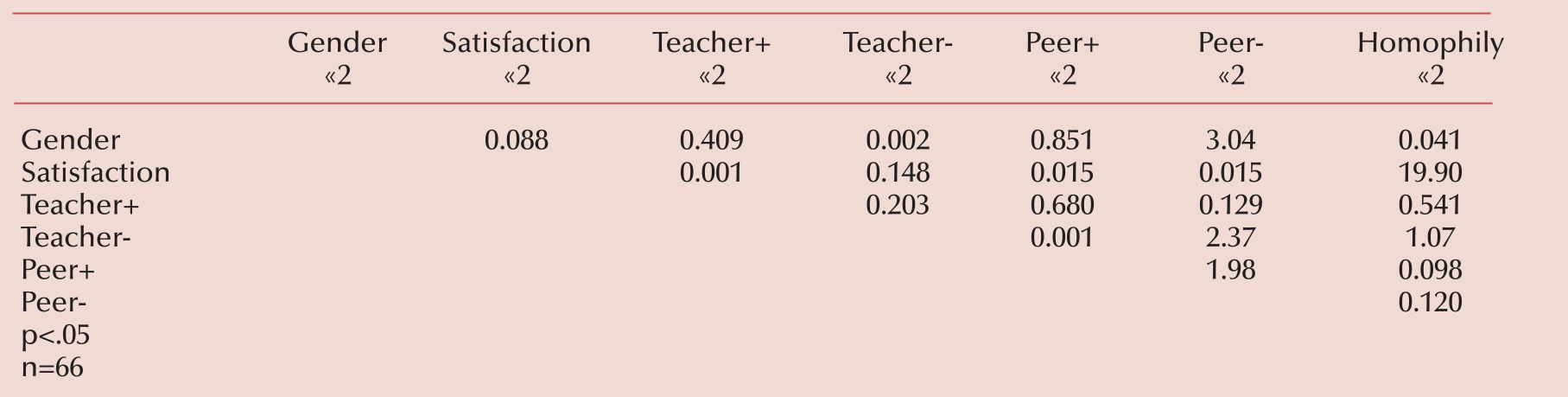 Table II shows the high correlation (19.90) between Homophily and Satisfaction, while other factors remained statistically insignificant.
Critical Insight: The "Masculine" Culture Barrier
The core takeaway is that the "masculine" culture of CS classrooms functions as a filter. When students perceive a divide—such as women not speaking up or men feeling they must "assist" women—it creates a negative feedback loop. Even a supportive teacher can struggle to overcome a classroom climate where the peers themselves reinforce gender silos.
Why This Matters for Future Research
This study shifts the focus from individual interventions (like extra tutoring for women) to cultural interventions (changing how the group interacts).
Future Outlook:
- Instructional Change: Teachers must monitor not just their communication, but how they facilitate male-female peer interactions.
- Shattering the Skill Myth: Interventions should focus on neutralizing the "male = innate coder" stereotype to foster a sense of homophily.
- Limitation: The study relies on self-reported data from a relatively small (n=66) sample. Larger-scale observations of real-time classroom interactions are needed to validate these perceptions.
Conclusion
Retention isn't just about competence; it's about belonging. If the classroom climate suggests that "women are different," it inherently suggests "women don't belong." Breaking the gendered culture is the first step toward a diverse and sustainable CS workforce.