
Digital Identity at the Crossroads: How User Interfaces Reproduce Gender and Sexual Oppression
13242_Gender identity and sexual orientation perceived oppressions in digital systems user interfaces an exploratory study.
This exploratory study investigates how digital user interfaces (UIs) reproduce oppressions related to gender identity and sexual orientation. Focusing on social networks, the researchers identify specific UI elements—such as binary registration forms and flawed reporting mechanisms—that marginalize LGBT users.
TL;DR
This research exposes a critical flaw in modern UI/UX design: the systemic marginalization of LGBT identities through rigid interface elements. By analyzing user feedback, the study demonstrates that binary forms, stereotypical avatars, and ineffective reporting tools create a hostile digital environment, specifically impacting the "comfort" and "usage decisions" of trans and non-binary individuals.
Background: Interface as a Site of Power
Software is never neutral. Every dropdown menu and every profile field is an expression of what the designer considers "normal." This paper positions the user interface not just as a tool for interaction, but as a site of Foucauldian power dynamics. When a system forces a user to choose between "Male" and "Female," it is performing an act of "micro-power," effectively erasing non-binary identities and enforcing a cisnormative social order.
The Pain Points: Why Universal Design is Failing
The study identifies three primary domains where digital systems fail the LGBT community:
- Iterative Erasure in Forms: Most registration processes use "Sex" and "Gender" interchangeably and limit options to a binary.
- Stereotypical Graphics: Generic profile silhouettes (e.g., long hair for women, short for men) serve as a visual reinforcement of gender stereotypes.
- Algorithmic LGBTphobia: "Smart" suggestions often promote exclusionary content or "hetero-pride" events, which users find difficult to filter or block effectively.
Methodology: Listening to the Marginalized
The researchers deployed an extensive 35-question survey to capture both quantitative satisfaction and qualitative narratives. They categorized respondents into sub-groups (Cis-Hetero, Cis-Homo, Cis-Bi, and Trans) to highlight how perception of oppression varies drastically based on one's own identity.
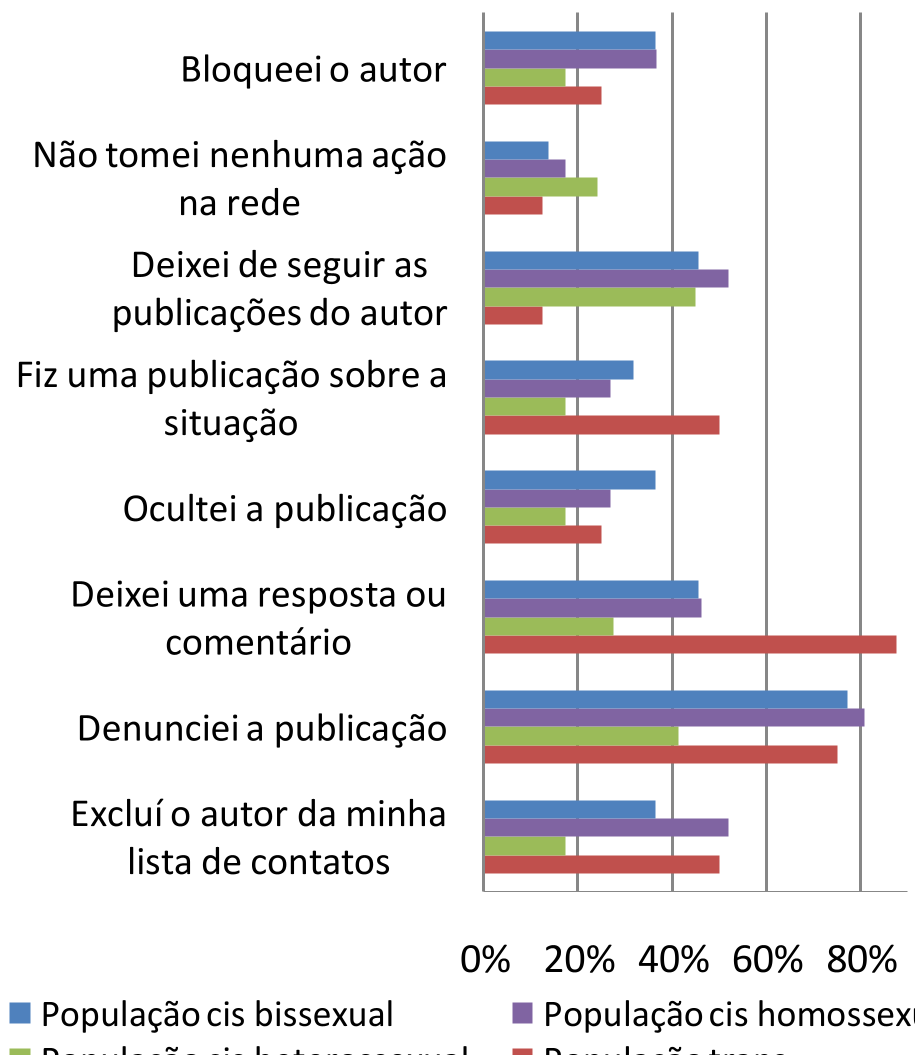 Figure 1: Comparison of how different groups respond to LGBTphobic content. Note the trans group's preference for more incisive actions like reporting and leaving responses.
Key Results & Visualization
The data reveals a stark "Perception Gap." Cisgender heterosexual users frequently "did not notice" the oppressions that were glaringly obvious to others.
- Form Fails: Nearly all trans respondents identified missing or improper form fields as a primary source of oppression.
- Privacy Paranoia: 63.2% of all respondents have used privacy mechanisms specifically to hide their sexual orientation or gender identity, often fearing professional repercussions or family harassment.
- Systemic Discontent: On a scale of 1-5, the trans population gave current internet systems a general rating of only 1.50, indicating a profound level of dissatisfaction.
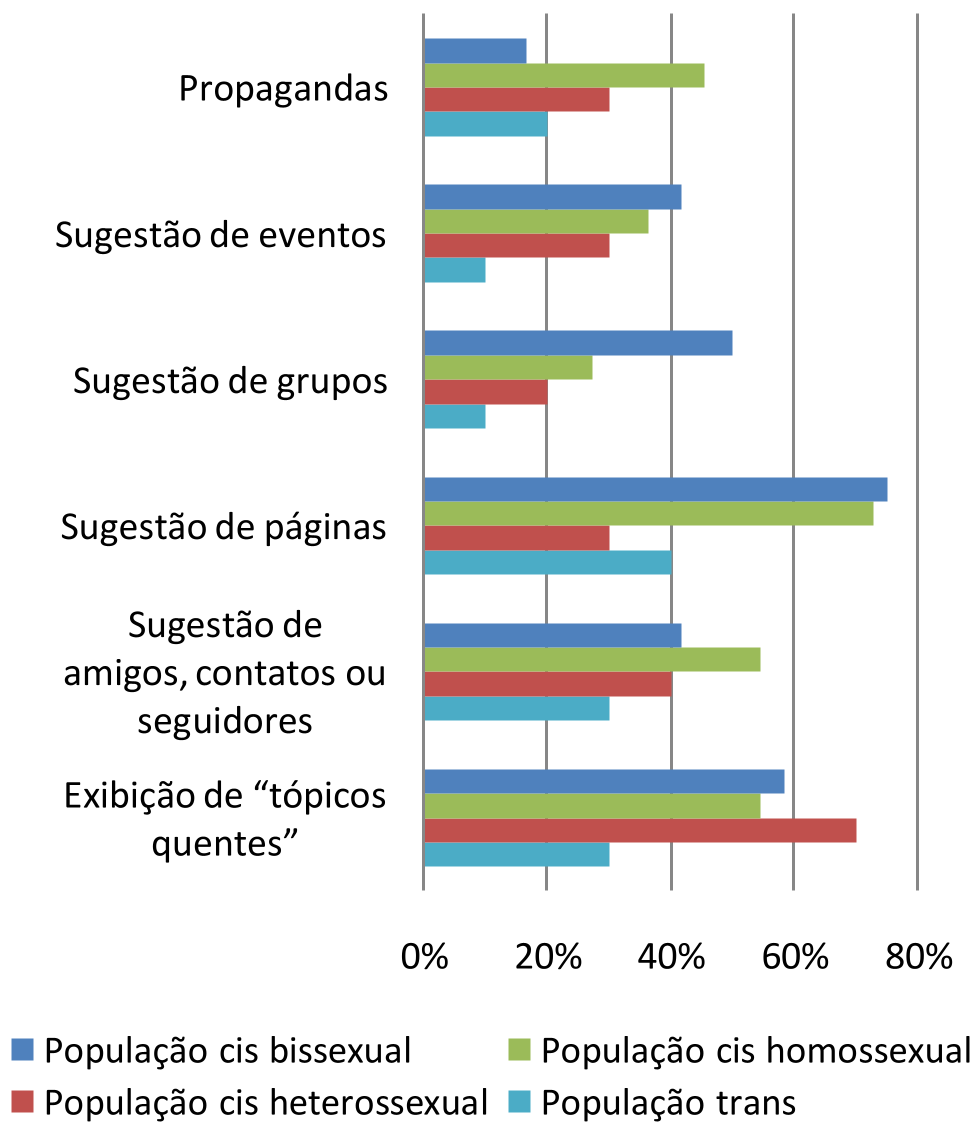 Figure 2: Data showing that "Page Suggestions" and "Advertisements" are significant vectors for unwelcome or oppressive content across all groups.
Critical Analysis: Beyond the Binary
The authors argue that adding "Other" to a gender dropdown is a lazy solution; it groups trans people with non-human profiles or those simply wishing to remain anonymous. Instead, they advocate for:
- Open Text Fields: Allowing users to define their own identity.
- Social Name Policies: Removing the "Real Name" requirements that disproportionately target the trans community and drag performers.
- Better Heuristics: Algorithms must be trained to recognize the nuances of hate speech beyond simple keywords.
Conclusion & Future Outlook
This study is a wake-up call for the HCI community. It moves the conversation from "Usability" (how easy is it to use?) to "Inclusivity" (who is allowed to exist in this space?). The researchers conclude that if we want a Web "for all," we must stop treating gender and orientation as secondary metadata and start treating them as fundamental, fluid aspects of human individuality.
Future Work: The authors suggest expanding this research into the intersections of race and class, and developing formal design guidelines that integrate gender-diverse perspectives from the very first wireframe.