
SOFA: Decoding Gender and Role Dynamics in Family Health Networks
Gender and role differences in family-based healthy living networks
The paper introduces SOFA (SOcial FAmily), a healthy living social networking portal designed specifically for families. Leveraging a 3-week user study with 545 participants, it identifies critical gender and role-based differences, establishing mothers and daughters as the primary drivers of health technology adoption.
TL;DR
Health is a family affair, but how do families actually use social technology to get fit? This study on the SOFA (SOcial FAmily) portal reveals that females (especially daughters and mothers) are the power users of healthy living platforms. While parents use these tools for learning and perception shifts, children require "fun" to stay engaged, pointing toward a specialized design requirement for domestic health tech.
Background: Beyond the Individual
Chronic conditions are a leading cause of death globally, and research has long shown a correlation between social relationships and health. Despite the explosion of social media, most platforms are designed for the "individual." The authors of this paper argue that because the family reinforces lifestyle habits, we must design specifically for the family living network.
Problem & Motivation: The Gap in Household Tech
Prior work in social networking often focuses on gender (e.g., women use Facebook more for friendship, men for dating) but ignores the family role.
- Parents are often concerned about privacy and protecting children from negative health info.
- Children have shorter attention spans and different motivations (fun vs. utility). The researchers aimed to discover: Who actually leads the charge when a family adopts a health app?
Methodology: The SOFA Portal
The study utilized SOFA, a portal combining:
- Content: Validated diet and lifestyle information.
- Social: Forums, blogs, and "friending" capabilities.
The researchers tracked 545 participants (269 parents, 276 children) over three weeks, logging every login, page view, and comment to build a quantitative picture of family engagement.
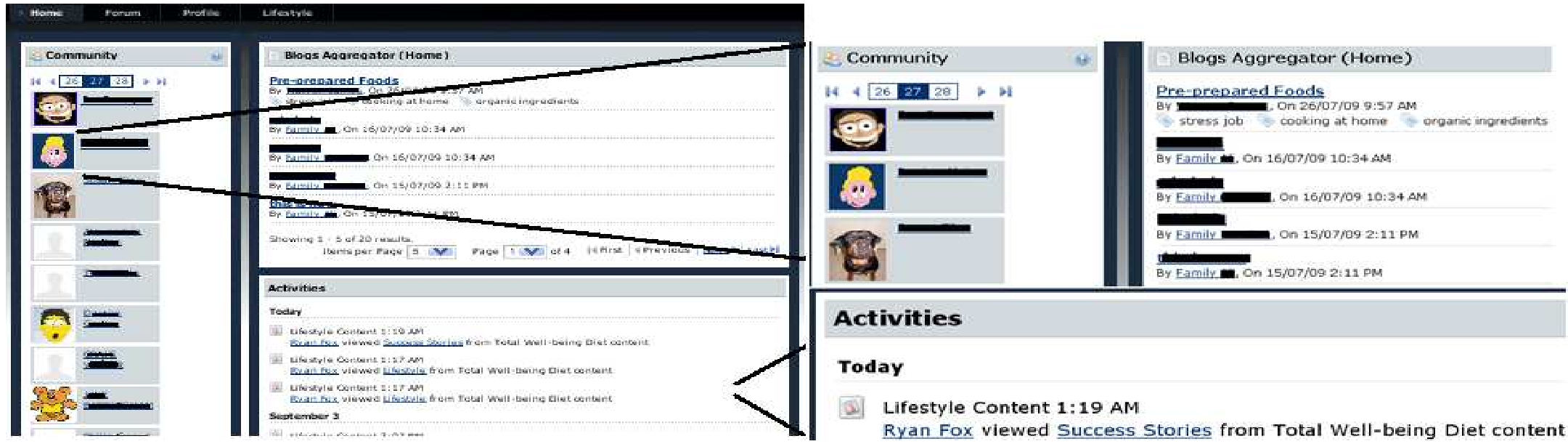 Figure 1: The demographic breakdown of the study illustrates a balanced participation across gender and roles.
Key Findings: The "Female Leader" Effect
The data suggests a clear hierarchy of engagement within the family:
- Gender Dominance: Females were "early adopters." Their interaction spikes occurred earlier and higher than males. Interestingly, while men are increasingly involved in shopping/cooking, women still lead the digital health interaction.
- Role Dynamics: Daughters were the most active, followed by mothers.
- Impact Gap: Parents were significantly more likely to report that the portal changed their perception of healthy living.
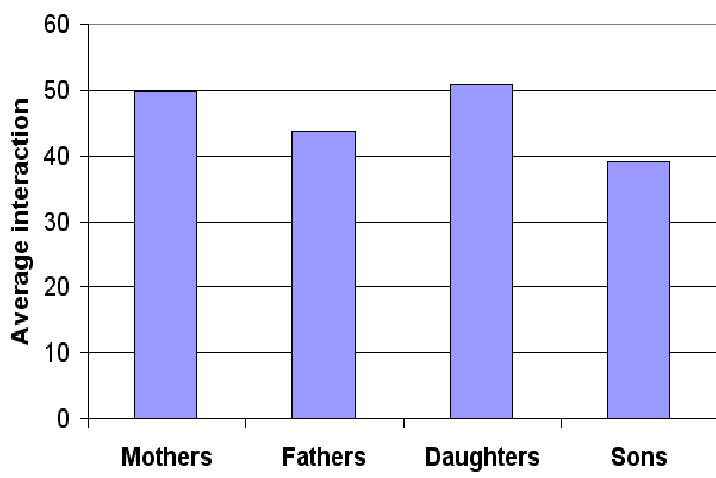 Figure 2: Average interaction scores showing daughters and mothers as the primary users.
Experiments & Results: Engagement Over Time
The longitudinal data revealed a "Reminders" effect. Interaction for all groups spiked on days when update/reminder emails were sent (Days 1, 5, 10, etc.). However, children’s interaction was "erratic"—they would surge after a reminder but drop off quickly, highlighting the need for higher "stickiness" or gamification.
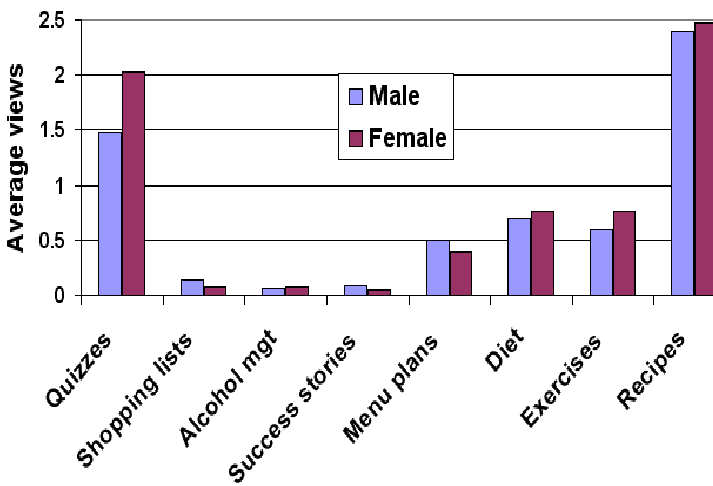 Figure 3: Daily interaction trends show the impact of reminders and the differing attention spans of parents vs. children.
Deep Insight & Conclusion
The study concludes with three pillars for future family-tech design:
- Target the Mother: As the "resourceful influencer," she is the gateway to the rest of the family's adoption.
- Gamify for Children: Without "fun," children's participation is purely reactive to reminders.
- Personalization is Key: Future systems must utilize recommendation engines to "push" relevant content to different family members based on their specific health interests and roles.
Limitations: The study was limited to a 3-week window and focused on Australian families. Long-term habit formation (beyond 21 days) requires further exploration into how initial engagement translates into actual weight loss or clinical health improvements.