
A Gendered Perspective on Making: Breaking the "White, Masculine" Maker Myth
10409_A Gendered Perspective on Making from an Autoethnography in Makerspaces.
This paper presents an autoethnographic study of four diverse makerspaces in Australia from the perspective of a woman of color. Using a pictorial format, it examines how physical, socio-cultural, and operational environments impact the inclusivity of "intersectional" women, culminating in a set of diversity-focused design recommendations for HCI and maker culture.
TL;DR
Is the "Maker Revolution" truly for everyone? Not according to this study. Through a 6-month autoethnography, a woman of color explores the hidden barriers—from "nerdy" first impressions to gendered language about "brute force"—that keep intersectional women at the margins of Australian makerspaces. The paper argues for a radical shift: valuing craft as a gateway to digital fabrication.
Displacement and the "Imposter" Barrier
Makerspaces often promote an "open door" policy, but doors are only truly open if you feel you have the "right" to walk through them. The researcher highlights a concept of Internalized Displacement. Even as a PhD-level researcher, she felt like a "duck out of water," noting that her research status was a "crutch" that gave her the legitimacy to enter spaces dominated by white men.
Beyond the psychological, the study identifies Physical Displacement. For example, one space (MD) was located in a series of dark sheds with poor lighting. While 24/7 access sounds inclusive, it effectively excludes women who do not feel safe walking through unlit areas at night—the very time when social networking and collaborative learning are at their peak.
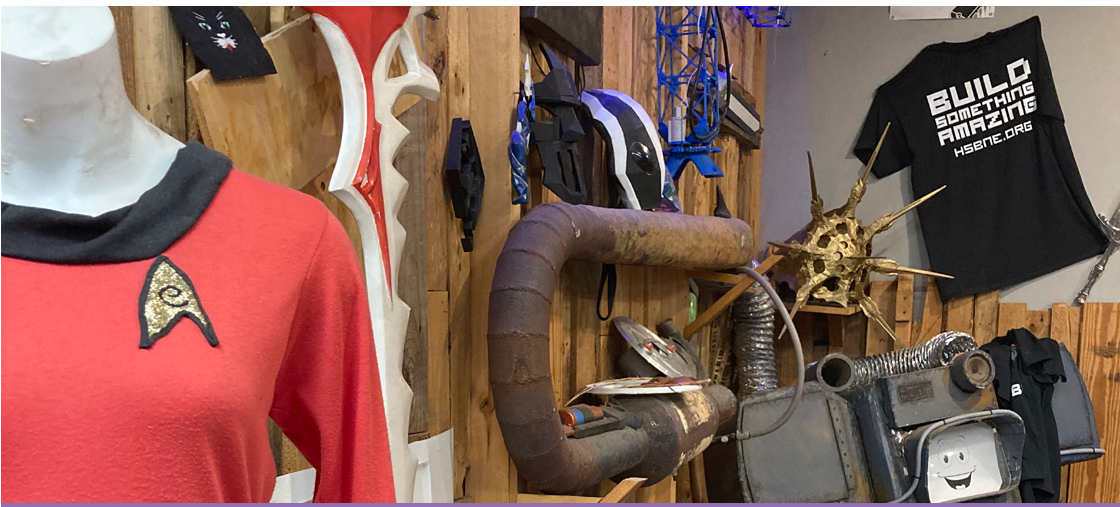 Figure 1: The entrance to a makerspace can signal a restrictive 'nerdy' sub-culture that discourages newcomers.
Methodology: The Power of the First-Person Narrative
Why use Autoethnography? Traditional interviews often miss the "why." By being a novice herself, the author captured the friction of learning to use a screwdriver or being told her husband should apply for a job while she was the one doing the work.
The study covered four distinct sites:
- MA: A women-only craft space (High safety, but limited technical diversity).
- MB: An e-waste recycling hub (Male-dominated, gritty/dusty environment).
- MC: A library-based space (Structured, but technocentric).
- MD: A large community makerspace (Technical, 24/7, high barriers to entry).
The "Man-Power" of Language
One of the most striking insights is how Gendered Language reinforces the status quo. In the e-waste center (MB), words like "elbow grease," "brute force," and "man-power" were used when tools failed. When the researcher struggled with a stuck screw, a male peer took over with a drill, reinforcing the binary that "technical = male" and "delicate = female."
Conversely, in the craft space (MA), tools were "feminized"—glue sticks named like makeup ("Wink of Stella"). This creates a linguistic silos where craft and engineering are seen as worlds apart, despite the paper’s proof that Diamond Dot Art and Soldering require almost identical hand-eye coordination.
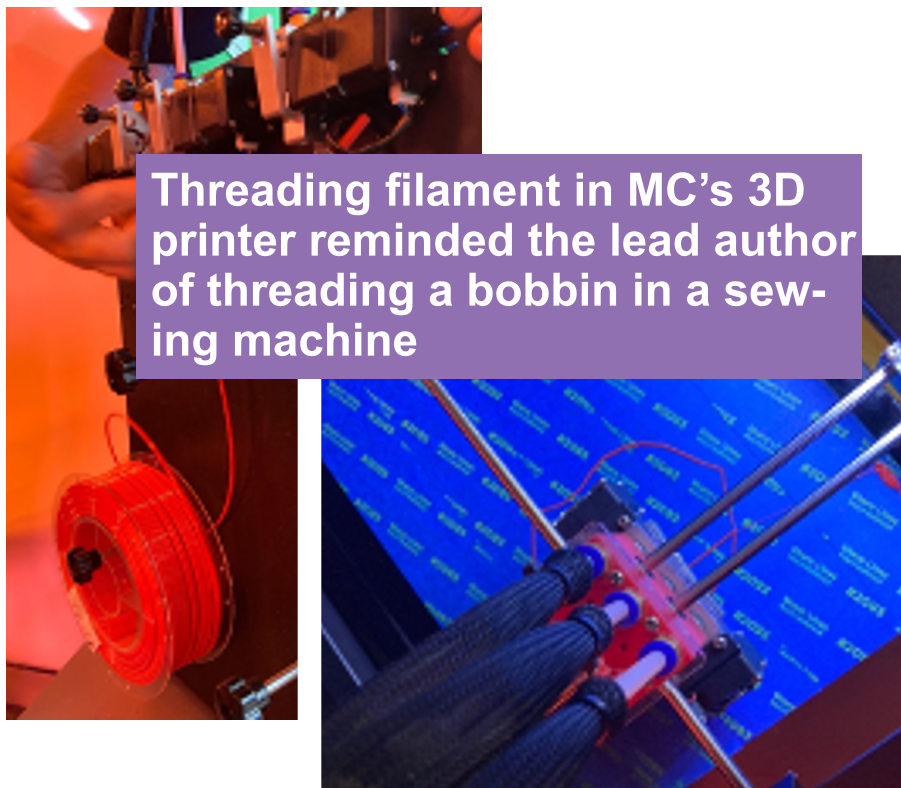 Figure 2: Drawing parallels between the precise handwork of Diamond Dot Art (MA) and Soldering (MB).
Reimagining the Learning Pathway
The study critiques current learning models:
- Peer Learning: Often relies on a "boys' club" dynamic that can be intimidating for women of color.
- Technocentric Training: Library workshops (MC) often assume a high level of English and digital literacy, ignoring migrant mothers while focusing on their sons.
- The Craft Bridge: The author found that a woman who specialty-solders at MB also does Diamond Dot Art at home. This "hidden" synergy is the key to inclusivity.
SOTA Comparison: Beyond "Neutrality"
Traditional makerspace "Best Practices" focus on having the latest 3D printers. This paper suggests that Social Infrastructure matters more. If the diversity policy only mentions the LGBT community (as seen in MD) but ignores racial minorities, it leaves intersectional women in a blind spot.
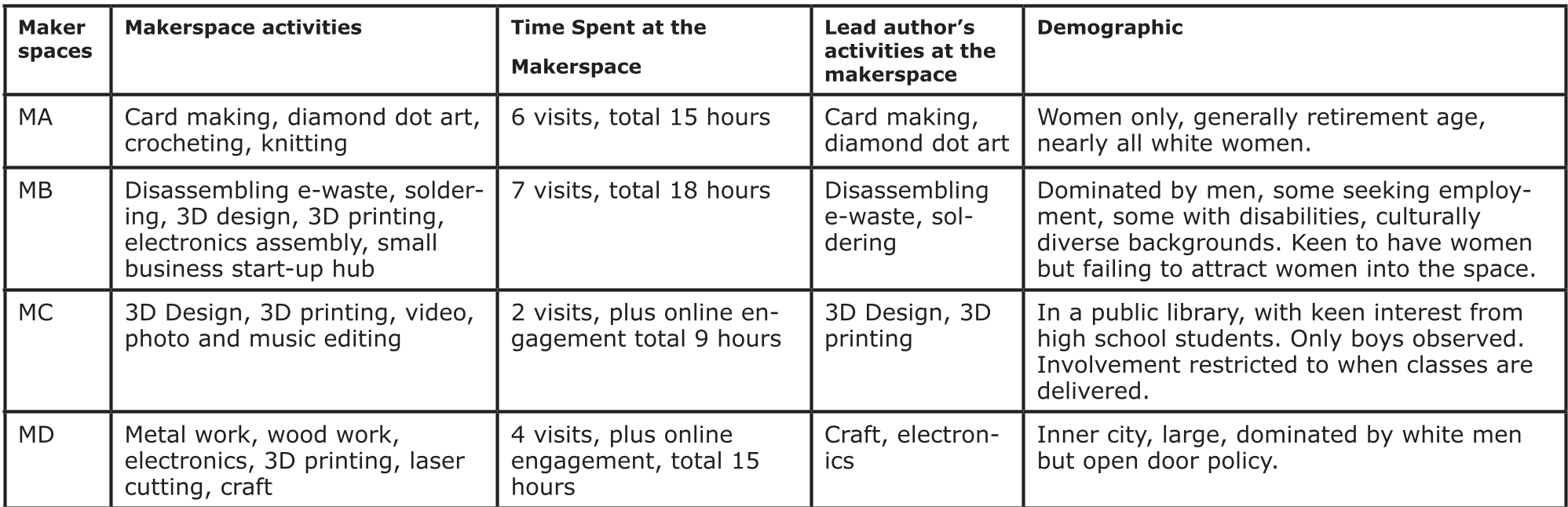 Table 1: Comparison of the four studied makerspaces, highlights the demographic gaps.
Conclusion and Future Perspective
To truly diversify the maker movement, we must:
- Validate "Women's Work": Elevate craft to the same status as "innovation."
- Onboard for Novices: Stop assuming a baseline of STEM knowledge.
- Intersectional Leadership: Position women of color as teachers, not just "targets for intervention."
The future of makerspaces isn't just about better 3D printers; it's about dismantling the "White, Masculine" default to allow for innovations that only a truly diverse public can imagine.