
Beyond Static Routing: A Generalized Simulation Framework for Urban Waste Logistics
A generalized simulation framework to manage logistics systems: a case study in waste management and environmental protection
This paper presents a generalized, data-driven simulation framework for managing urban waste collection logistics. By integrating GIS, Data Mining (Neural Networks), and a hybrid Monte Carlo-Discrete Event simulator, the authors optimized resource allocation and vehicle routing, achieving significant operational cost reductions in a metropolitan case study.
TL;DR
Managing the "veins" of a city—its waste collection—is a massive logistics puzzle. This paper introduces a generalized simulation framework that moves away from rigid schedules to a data-driven system. By combining neural networks for waste prediction and Monte Carlo simulations for fleet reliability, the researchers achieved an annual saving of over €450,000 for a single metropolitan area.
The Problem: The Hidden Complexity of the "Trash Run"
Most people see a garbage truck and think of a simple point-to-point route. In reality, urban logistics is a high-stakes balancing act. Modern waste management faces three "critical failures" in planning:
- Limited Specialized Fleet: You can't fit a 24m³ truck down a narrow alleyway in Southern Italy. Using the "best" truck for one route might force a highly inefficient truck onto another.
- Stochastic Disruptions: Traffic, vehicle breakdowns (MTBF), and unpredictable waste volumes mean that a plan that looks good on paper often fails by 10 AM.
- Local vs. Global Optima: Optimizing one neighborhood might drain resources from the city at large, leading to uncollected waste—a major public health risk.
Methodology: The Generalized "State-Transition" Model
The core innovation of this paper is the Generalized Model, which simplifies complex logistics into a transition between two states.
1. The States of Logistics
The authors categorize operations into two types:
- Category 1 (Resumable): Tasks like loading/unloading. If interrupted, you start where you left off.
- Category 2 (Restartable): Tasks like safety checks or docking. If interrupted, you go back to step one.
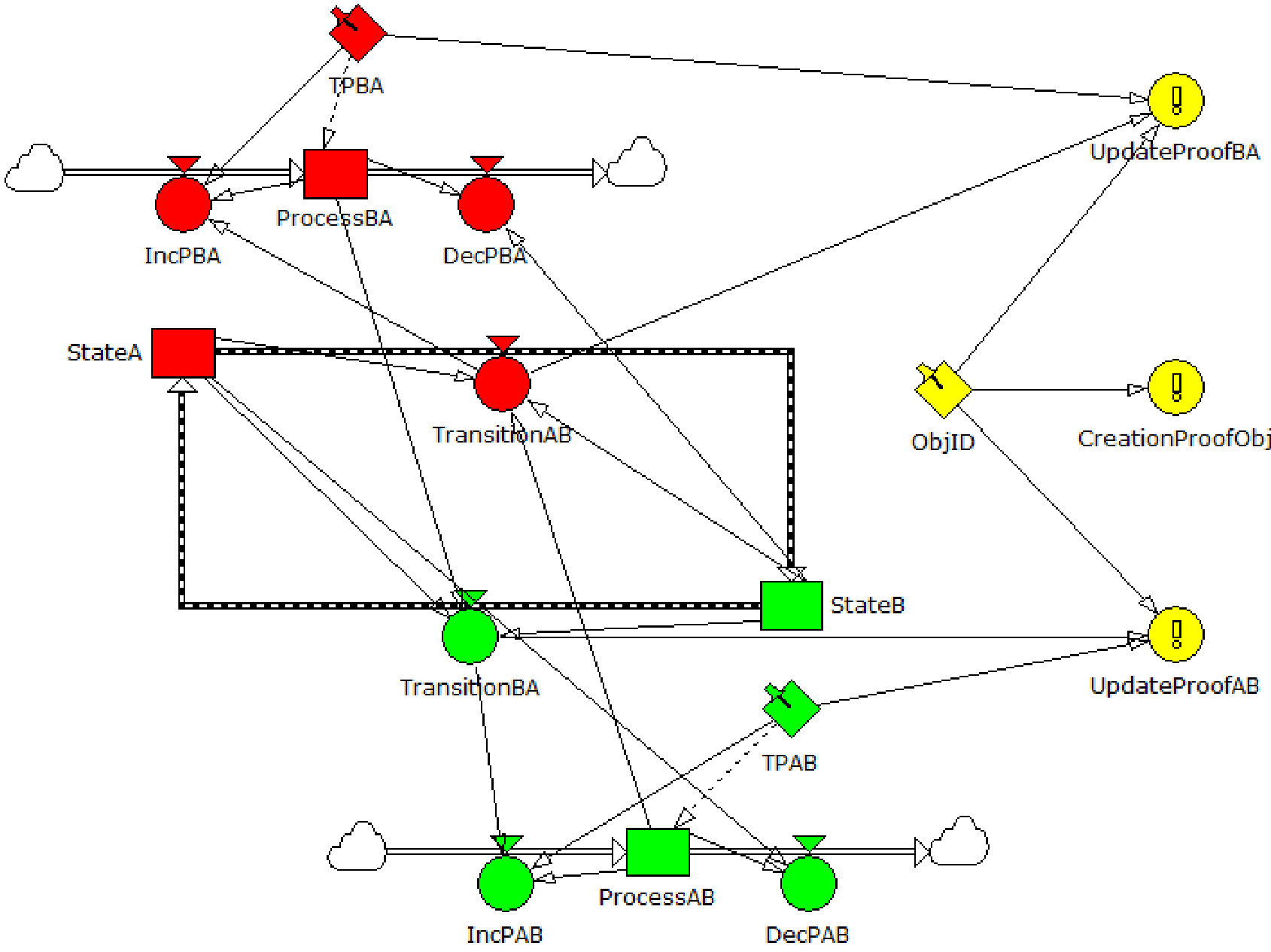
Using this logic, the waste truck cycle is modeled as a loop between State A (Collecting) and State B (Repositioning/Unloading). This vector-based approach allows the simulation to handle any number of vehicles and routes regardless of the specific city morphology.
2. The Modular Architecture
The system is built on three pillars:
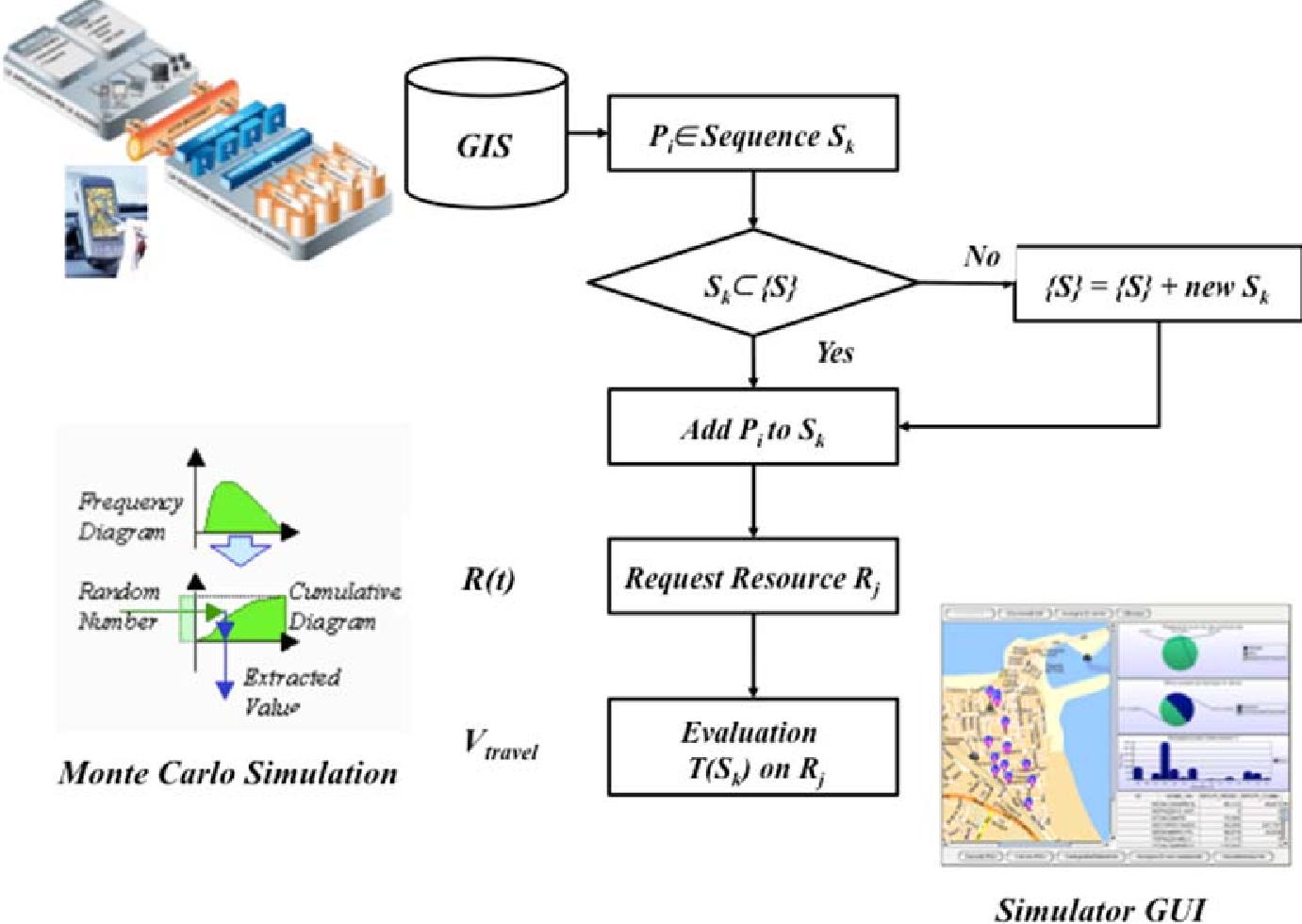
- GIS Integration: Using SOAP protocols to fetch real-world coordinates, removing the manual labor of data entry.
- Data Mining (ANN): Instead of guessing how much trash a neighborhood produces, they use Artificial Neural Networks to forecast waste production based on socio-economic census data (population, business density, etc.).
- Monte Carlo Simulation: The engine runs thousands of "what-if" scenarios, injecting random failures and traffic delays to see which logistics plan actually survives reality.
Experiments & Real-World Impact: The "Naples" Case Study
The framework was tested in a city producing 1,000 tons of refuse per day with 15,200 bins.
The "As-Is" Problem: Before the study, the fleet had a low utilization rate (58-69%). There were too many trucks for the number of routes, but they weren't assigned efficiently.
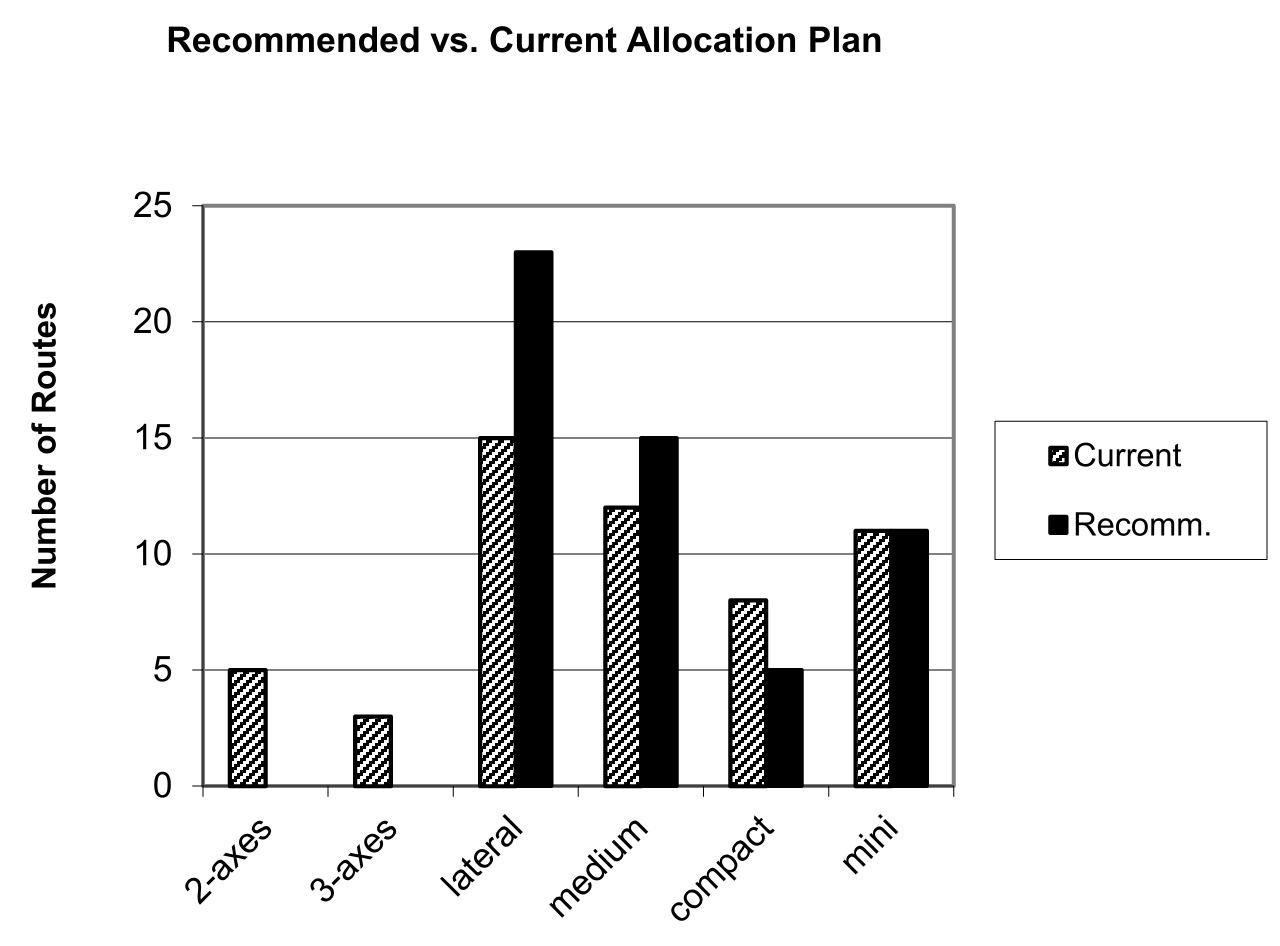
The Optimized Solution: By using the simulation to test different vehicle classes (from 2m³ mini-trucks to 24m³ heavy haulers), the team re-engineered the resource allocation.
Key Results:
- Cost Efficiency: Reduced daily operational costs by €2,140.
- Annual Savings: €451,000 per year.
- Fleet Re-engineering: The system identified that substituting old "2-axes" and "3-axes" trucks with new "lateral" and "medium" classes would drastically improve performance.
Critical Insight & Conclusion
The brilliance of this work lies in its Inductive Bias—the assumption that almost all logistics can be boiled down to a state-transition matrix governed by stochastic variables.
Takeaway: Simulation isn't just for building "digital twins"; it's a stress-test for policy. The paper demonstrates that by integrating predictive AI (Data Mining) with robustness testing (Simulation), cities can move from "emergency management" to "precision logistics."
Limitations: While the framework is robust, it still relies on "Face Validation" (expert intuition). Future iterations could integrate real-time IoT data directly from the trucks and bins to update the simulation in real-time, moving from a planning tool to a real-time execution engine.