
Beyond the "Native Speaker" Algorithm: Reclaiming Global Englishes in the Age of GenAI
Generative AI and English language teaching: A global Englishes perspective
This study investigates the integration of Generative AI (specifically ChatGPT-4o) into English Language Teaching (ELT) from a Global Englishes (GE) perspective. It evaluates three iterative models—Basic, Refined 1 (prompt engineering), and Refined 2 (RAG with GE-informed corpora)—to determine their ability to generate pluricentric, non-standard English content.
TL;DR
Generative AI is a double-edged sword for English Language Teaching (ELT). While it offers unprecedented efficiency, its "factory setting" is a sanitized, standard English that erases the linguistic identity of millions. This study demonstrates how to use Retrieval-Augmented Generation (RAG) and Advanced Prompting to force AI to recognize Global Englishes (GE), while highlighting why the "teacher-in-the-loop" is more critical than ever.
The "Standard English" Trap: Why LLMs Fail Multilingual Classrooms
Most LLMs are trained on massive datasets dominated by Western, standardized texts. In the world of sociolinguistics, this creates a "Stochastic Parrot" effect that reinforces colonial linguistic hierarchies. When a teacher asks an AI to generate an essay for a Korean student, the AI often produces a "perfect" American or British English text, flagging local variations like "hand phone" as errors rather than legitimate lexical borrowings.
The authors argue that this algorithmic standardization undermines the goal of modern ELT: preparing students to communicate in a globalized world where English is a tool for intercultural exchange, not a performance of native-speaker mimicry.
Methodology: Engineering a GE-Aware AI
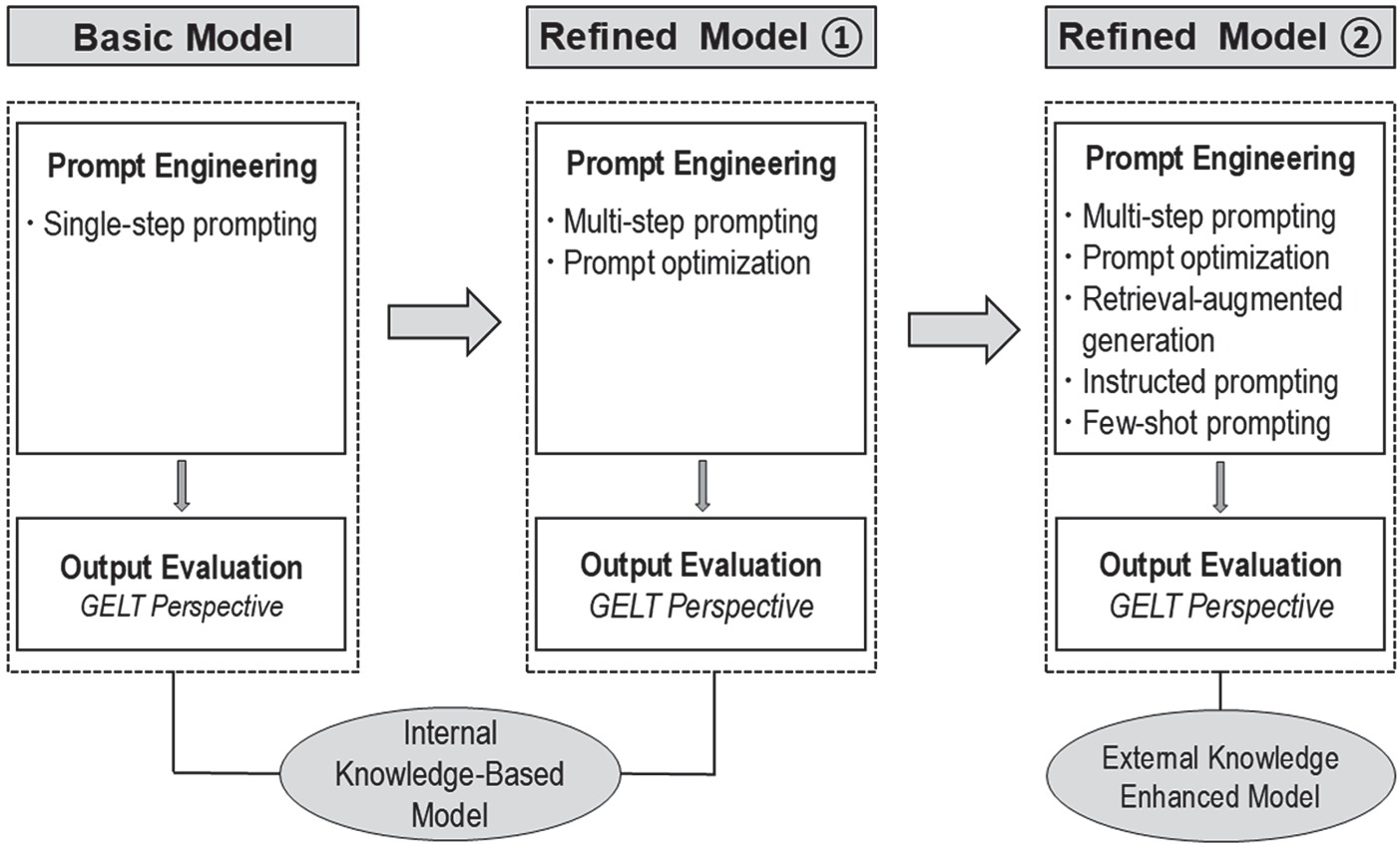
The researchers didn't just accept the AI's default output. They followed a Design and Development Research (DDR) methodology, testing three levels of intervention:
- Basic Model: Simple, single-step prompts.
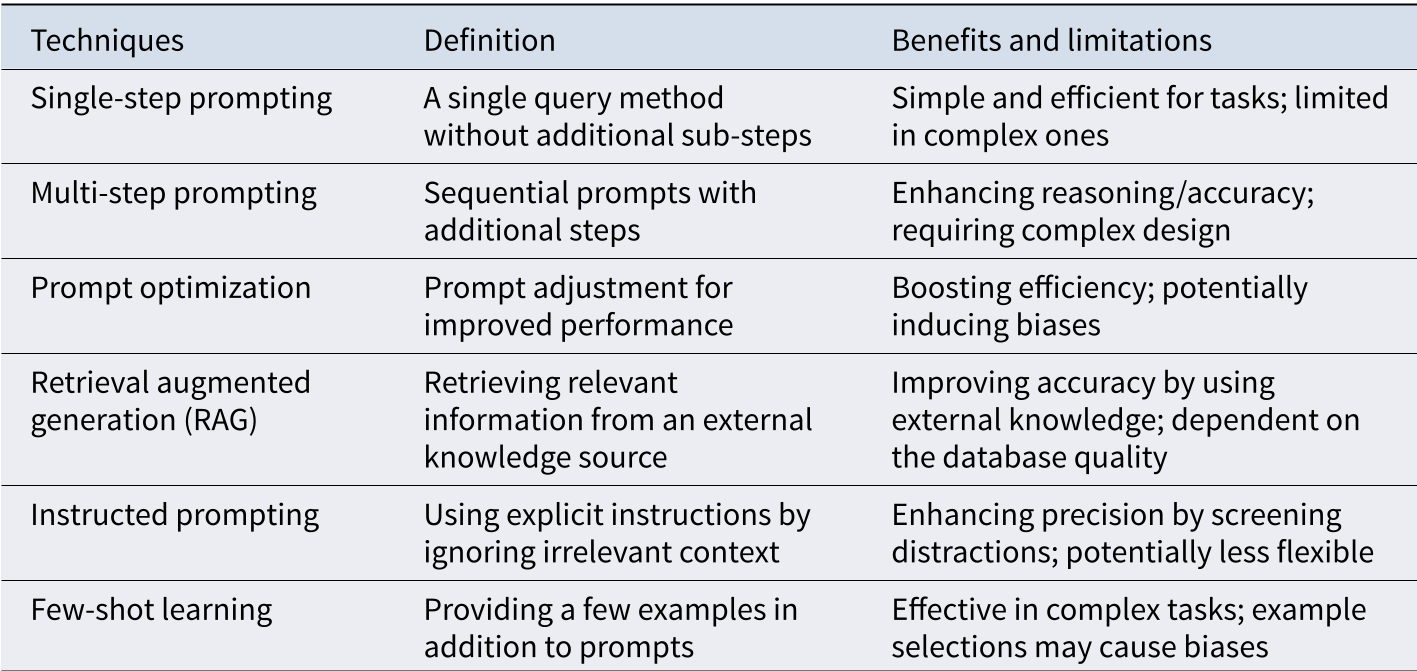
- Refined Model 1: Multi-step prompting (Chain-of-Thought) and optimization.
- Refined Model 2 (The Breakthrough): Integrated external data via RAG, including the Gachon Learner Corpus (for authentic Korean English) and the ELFA Corpus (for Lingua Franca strategies).
Insights from the Experiments
The results were a wake-up call for "AI-lazy" pedagogy:
- The Persistence of Bias: Even with multi-step prompts (Model 1), the AI still favored native-like norms. It knew about World Englishes but couldn't speak them.
- The RAG Advantage: Only when fed specific, authentic corpus data (Model 2) did the AI begin to utilize ELF strategies like negotiation of meaning, hesitation markers, and simplified structures conducive to global communication.
- The Decay Factor: A fascinating finding was that in conversation, the AI often started with diverse linguistic features but "drifted" back toward standard English as the chat progressed. The model's training is so "Standard-heavy" that it effectively "forgets" to be diverse without constant prompting.
Why This Matters: The New Role of the Teacher
The paper concludes that AI cannot "save" ELT by itself. Instead, it proposes a model of GenAI-Teacher Collaboration:
- Content Curators: Teachers must use RAG to ensure materials reflect local identities.
- Evaluative Feedback: AI feedback should be checked against GE rubrics that value intelligibility over traditional "correctness."
- Agentive Orchestration: The teacher's role shifts from a source of knowledge to a critical designer who "refreshes" AI prompts mid-conversation to maintain linguistic diversity.
Critical Perspective: The Future of ELF-like Interactions
While Refined Model 2 showed progress, the authors warn that AI-generated diversity is "ELF-like," not truly "ELF." Authentic communication involves the mutual construction of identity between humans—something a statistical model can only mimic. As we move forward, the challenge for the ELT industry is to ensure that GenAI becomes a bridge to cultural inclusion, rather than a wall of linguistic uniformity.
Takeaway for Educators: Don’t take AI at face value. If your AI sounds like a textbook from the 1990s, it's because it's stuck in a standard-language bubble. Use specialized corpora and multi-step prompting to break that bubble.