
GenNet: Engineering a Collaborative Ecosystem for Genetic Disorder Support
8946_Developing a social network of support to health care the experience of GenNet.
The paper presents the design and implementation of GenNet, a specialized collaborative social network aimed at supporting individuals with genetic disorders and physical disabilities. By integrating features from mainstream social networks with healthcare-specific requirements, GenNet creates a virtual ecosystem for patients, doctors, and support associations.
TL;DR
GenNet is a purpose-built social network designed to facilitate social inclusion and collaborative healthcare for people with genetic disorders. By blending the engagement mechanics of platforms like Facebook with the rigor of medical information management, it offers a centralized hub for patients, families, and medical professionals.
Background & Motivation
The "Web 2.0" revolution democratized content creation, but generic platforms often fail the specialized needs of the healthcare sector. Patients with rare genetic disorders face high barriers to social inclusion and often struggle to find reliable information or peers in similar situations. The authors identified a "distance gap"—where specialized care is centralized in capitals, leaving rural patients isolated. GenNet was conceived to bridge this gap through a collaborative virtual environment.
Methodology: From Popularity to Professionalism
The development of GenNet followed a rigorous lifecycle:
- Feature Benchmarking: Analyzing Twitter (asymmetric links), Facebook (symmetric relationships), and Livemocha (communities of practice) to identify the social DNA required for the platform.
- User-Centric Design: Conducting interviews with doctors and patient associations to define high-stakes requirements, such as judicial process support and nutrition tracking.
- Iterative Implementation: Adopting a modular approach where security and usability were tested in two-week sprints.
Methodology - The Core
GenNet's architecture is divided into five primary modules that facilitate both synchronous and asynchronous collaboration.
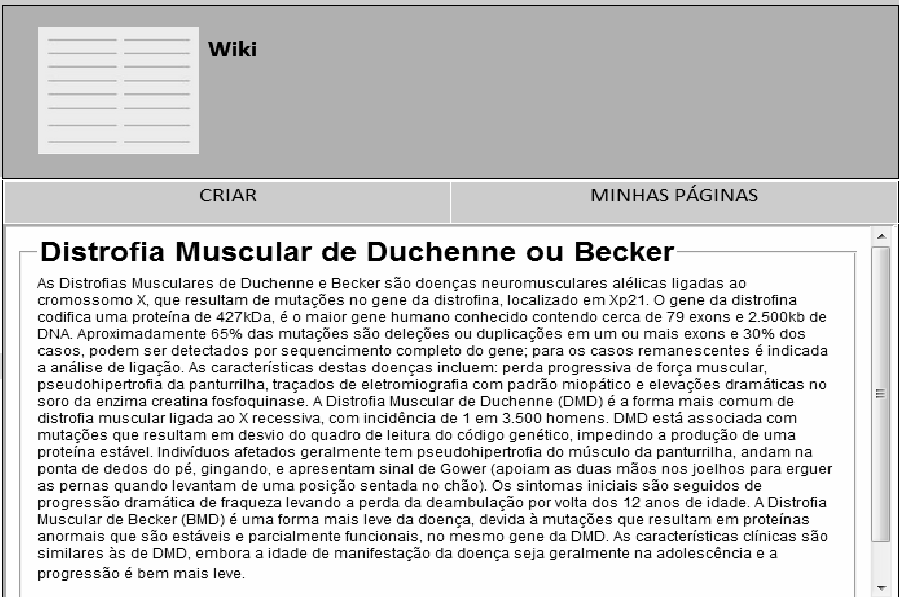 Figure 1: The GenNet interface design maintains a balance between social "feeds" and organized navigation.
Key structural components include:
- The Wiki (Knowledge Management): Unlike a simple blog, this acts as a "Virtual Encyclopedia" for medical and legal texts, ensuring users have access to verified data.
- People Management: Tools to categorize relationships (Patient, Doctor, Lawyer, Social Worker), allowing for "collaborative diagnosis" via web conferences.
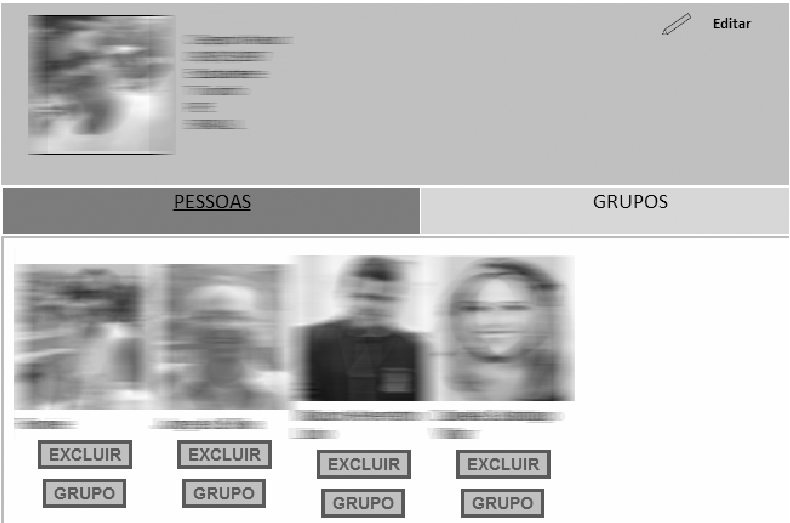 Figure 2: Management of diverse user profiles ensures that professional boundaries are maintained while facilitating support.
Experiments & Results
The implementation phase revealed that while social interaction is the "essence" of the network, Search and Information Filtering are the most critical tools for long-term retention.
The study identified a core feature set common to successful healthcare networks:
- Symmetric Links: Necessary for patient-to-patient privacy.
- Asymmetric Links: Useful for following medical professionals or news updates.
- Recommendation Systems: Helping users find others in the same medical condition is the primary driver of value.
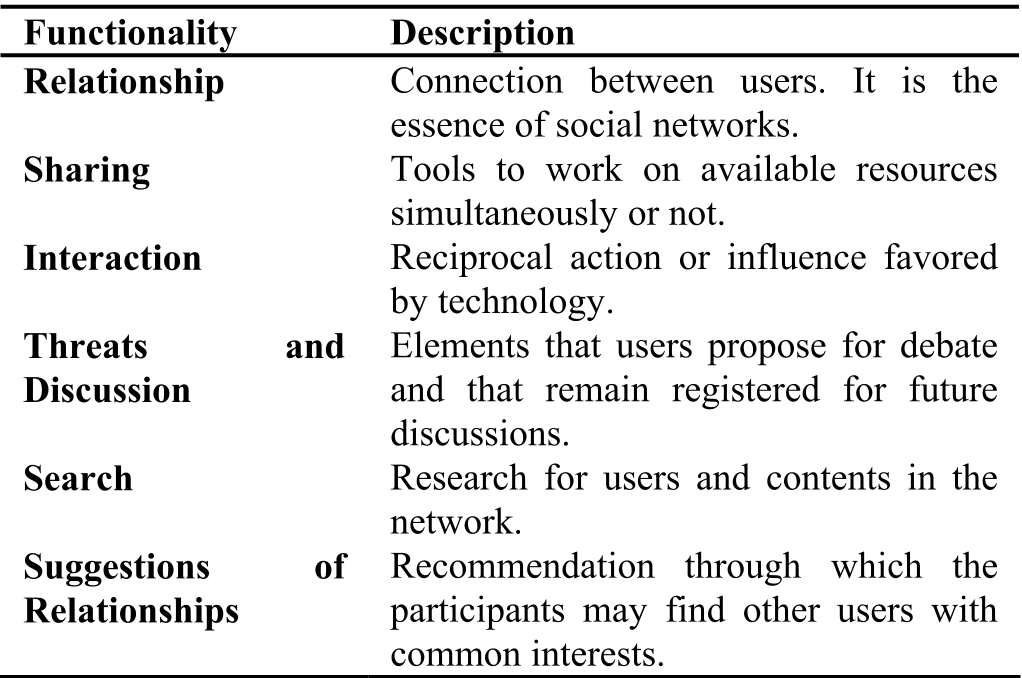 Table 1: Essential features for GenNet identified through competitive analysis.
Critical Analysis & Conclusion
Takeaway
GenNet successfully demonstrates that for healthcare, a social network is not just a communication tool but a coordinated management system. The inclusion of legal and nutritional modules shows a holistic understanding of the patient experience beyond just clinical symptoms.
Limitations
- Mobile Accessibility: At the time of the study, the platform lacked a dedicated mobile interface, which is a significant barrier for users with motor impairments.
- Data Governance: While "seriousness of information" is mentioned, the specific moderation algorithms for medical accuracy remain a challenge.
Future Outlook
The next frontier for GenNet involves the integration of smarter recommendation algorithms—moving from simple interest-based matching to clinical-pattern matching, potentially utilizing AI to suggest support groups based on disease progression markers.