
Bridging the Gap: How to Turn AI Ethics into Governance with the ECCOLA Method
Governance of Ethical and Trustworthy AI Systems: Research Gaps in the ECCOLA Method
This paper evaluates the ECCOLA method, a deck of 21 cards designed to transition AI ethics principles into practice, through the lens of AI governance. By mapping ECCOLA's themes to Corporate, Data, and Information Governance practices, the authors identify critical research gaps and SOTA alignment in ethical AI development.
TL;DR
Ethics in Artificial Intelligence is often criticized for being "all talk and no action." This paper analyzes ECCOLA, a practical tool designed to move from high-level principles to implementation. While ECCOLA excels at fostering Corporate Governance, the study reveals a critical weakness in Information Governance (IG), suggesting that our current tools for ethical AI aren't yet ready for the rigorous auditing requirements of future regulations.
Background: From Principles to Practice
The AI community is currently flooded with ethical guidelines from the EU, OECD, and IEEE. However, developers find these "commandments" difficult to translate into actual code or project management tasks. The ECCOLA method—a card-based system—was created to fill this gap. But is "ethics" enough? As AI scales, we need Governance: the structural oversight that makes ethics auditable and legally compliant.
The Core Insight: The Governance Typology
The authors argue that AI Governance isn't a monolith. It rests on three pillars:
- Corporate Governance: Accountability, values, and leadership responsibility.
- Data Governance (DG): Managing data quality, integrity, and privacy.
- Information Governance (IG): The management of information assets to ensure they are trustworthy, findable, and auditable over time.
The researchers used these pillars to stress-test the 21 cards within ECCOLA.
Methodology: Mapping Ethics to Oversight
The study utilized a Typology Approach, combining ECCOLA’s eight themes (Transparency, Fairness, Accountability, etc.) with standardized governance principles like GARP (Generally Accepted Recordkeeping Principles) and DAMA (Data Management Body of Knowledge).
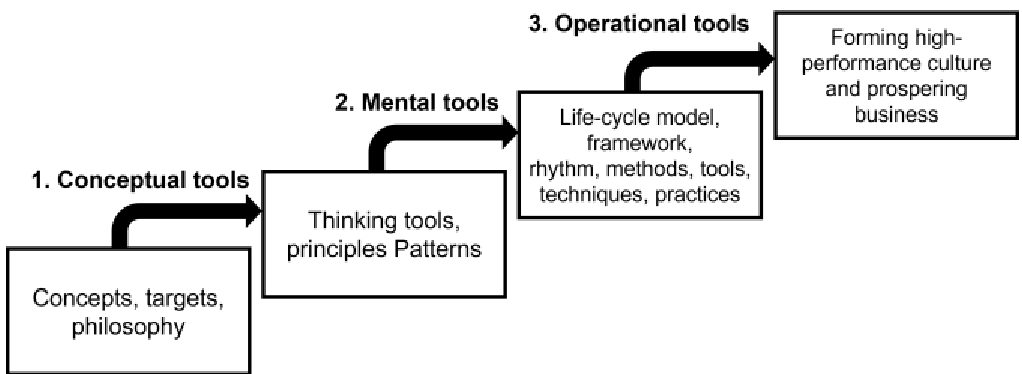 Figure 1: The components required to move AI methods from mental concepts to operational reality.
Key Results: Where ECCOLA Shines and Fails
The analysis yielded a fascinating heatmap of where AI development currently stands regarding oversight:
- Transparency is the "Governance Multiplier": Cards related to explainability and traceability were the only ones that supported all three governance types.
- Corporate Governance is Everywhere: Every single card in the ECCOLA deck facilitates corporate responsibility.
- The "Information Governance" Gap: This was the weakest link. Most cards focus on how a system works, but neglect the long-term management of the information generated by the AI, which is essential for forensic audits.
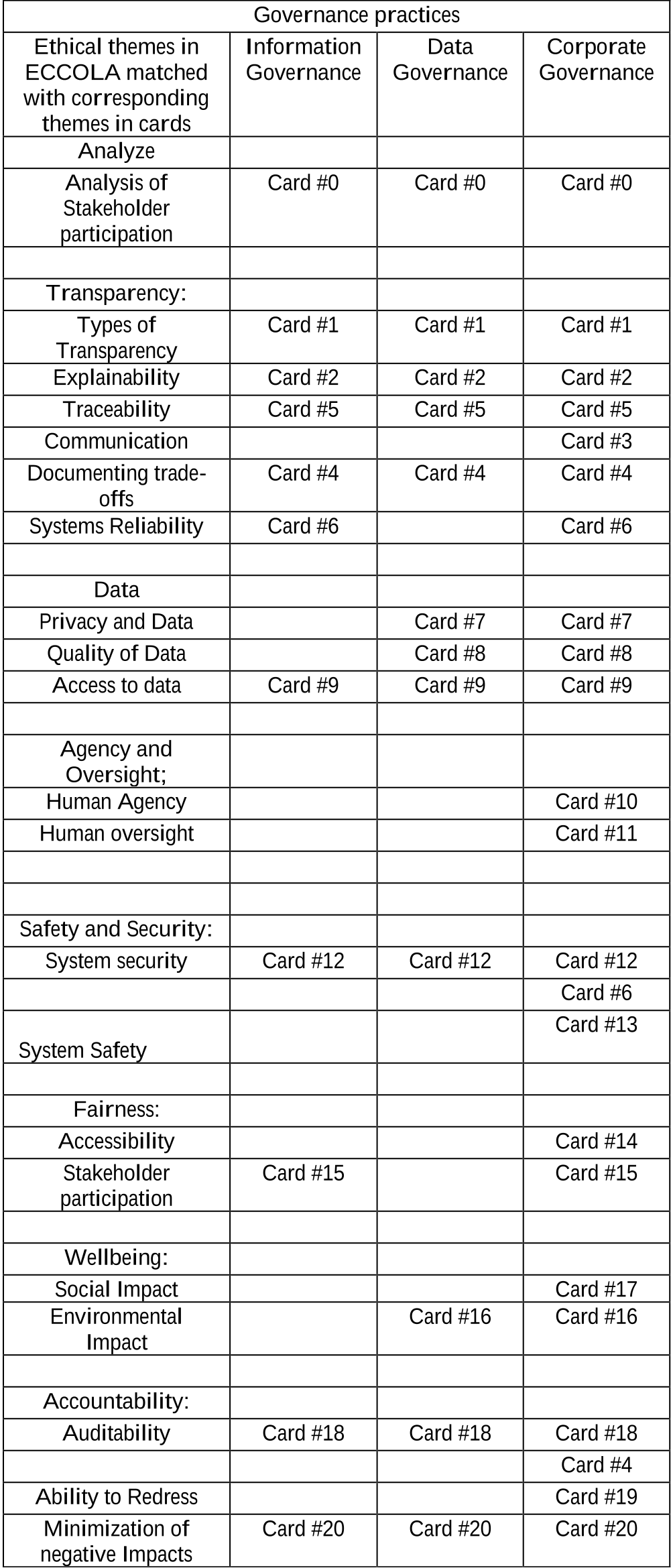 Table 1: The mapping clearly shows the sparse coverage in the Information Governance column compared to Corporate Governance.
Critical Analysis & Conclusion
Why IG Matters
We often confuse Data Governance with Information Governance. While DG ensures the input is clean, IG ensures the output and decision history are preserved and accountable. Without IG, an AI system might be "fair" today but impossible to audit two years from now if a legal challenge arises.
The Verdict
ECCOLA is a powerful step forward for developers, but it is currently "Governance-lite." To reach a state of Trustworthy AI, future versions of the method—and indeed the wider AI industry—must:
- Stop treating IG as an afterthought: Incorporate record-keeping and information lifecycle management into the "Transparency" and "Accountability" cards.
- Formalize the Audit Trail: Ethics shouldn't just be a discussion; it must produce an evidence chain.
Takeaway for Practitioners: When using ethical tools like ECCOLA, don't just ask "Is this fair?" Ask "How can I prove this was fair in a court of law three years from now?" That is the difference between Ethics and Governance.