
Harmonizing Credits and Character: A Hybrid Trust Model for the Social IoT
Guarantor and reputation based trust model for Social Internet of Things
The paper introduces a hybrid trust management model for the Social Internet of Things (SIoT) that integrates "Guarantor" mechanisms (credit-based) with a "Reputation" system. By leveraging gateways and a centralized server, it establishes a secure framework for device interaction and service provisioning.
TL;DR
As objects in the Internet of Things (IoT) begin to mimic human social behaviors—forming the Social Internet of Things (SIoT)—the risk of malicious data injection grows exponentially. This paper proposes a hybrid trust model that combines Guarantor-based credits (financial-like incentives) and Centralized Reputation (behavioral history). By implementing a harsh penalty system where reputation drops three times faster than it rises, the model can isolate malicious nodes in as little as one or two failed transactions.
Problem & Motivation: The Transitivity Trap
Current SIoT trust research typically falls into two camps, both flawed:
- Reputation Models: These assume trust is transitive (if A trusts B and B trusts C, then A trusts C). This is a dangerous assumption in cybersecurity, as a compromised intermediary can poison the entire chain.
- Guarantor Models: While these use local guarantees to prove reliability, they are architecturally slow for long-distance services and often fail to stop "one-hit" malicious attacks where a node inserts malware in its very first transaction.
The authors' insight is to create a multi-layered defense: gateways authenticate connections, credits ensure skin in the game, and a centralized server maintains an objective "character score" for every device.
Methodology: The Hybrid Framework
The architecture offloads the heavy lifting from power-constrained IoT devices to Gateways and a Reputation Server.
1. The Credit Mechanism (The Guarantor)
Every transaction involves Commission and Forfeit rates.
- Honest Service: The provider receives a credit commission.
- Malicious Service: The provider must pay a forfeit to the requester. This mimics a legal contract, providing a financial deterrent against low-quality service.
2. The Reputation Logic (The Character Score)
The Reputation Server calculates a score . The breakthrough here is the Asymmetric Update Rule:
- Positive Feedback:
- Negative Feedback:
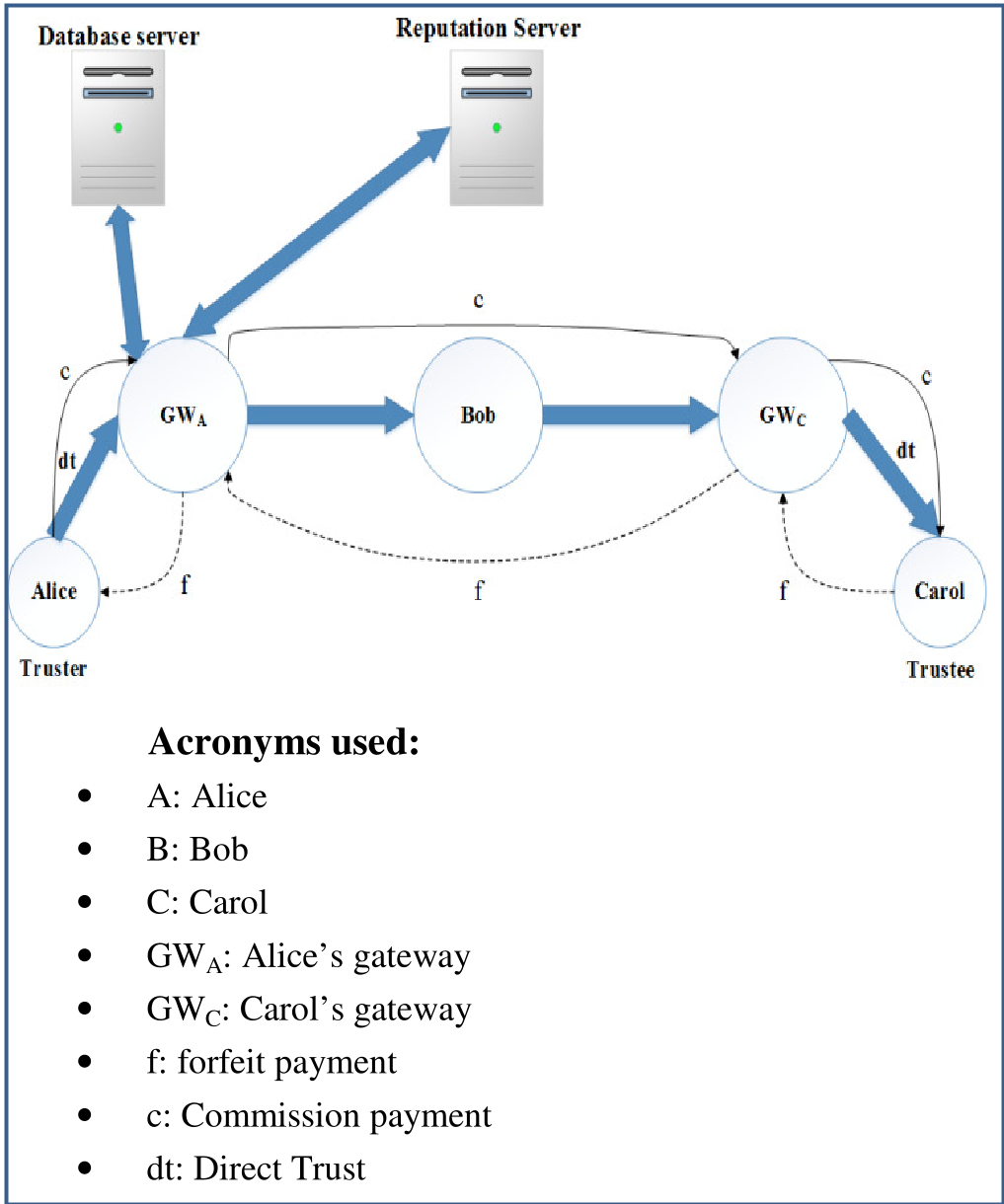 Figure 1: The operational flow between SIoT objects, Gateways, and the Reputation Server.
Experiments: Testing the "Trust-Then-Betray" Strategy
The authors simulated various Malware Probabilities to see how quickly the system catches "shifty" nodes that build trust initially and then turn malicious.
Key Findings:
- Instant Isolation: If a node defaults 100% of the time, it is rejected after the very first interaction.
- Residual Trust Erasure: For nodes that spend time reaching a reputation of 1.0 (perfect) and then start attacking (60% malware probability), they are isolated in exactly two transactions.
- Threshold Defense: Once a node's reputation drops below 0.5, it is effectively blacklisted from the network.
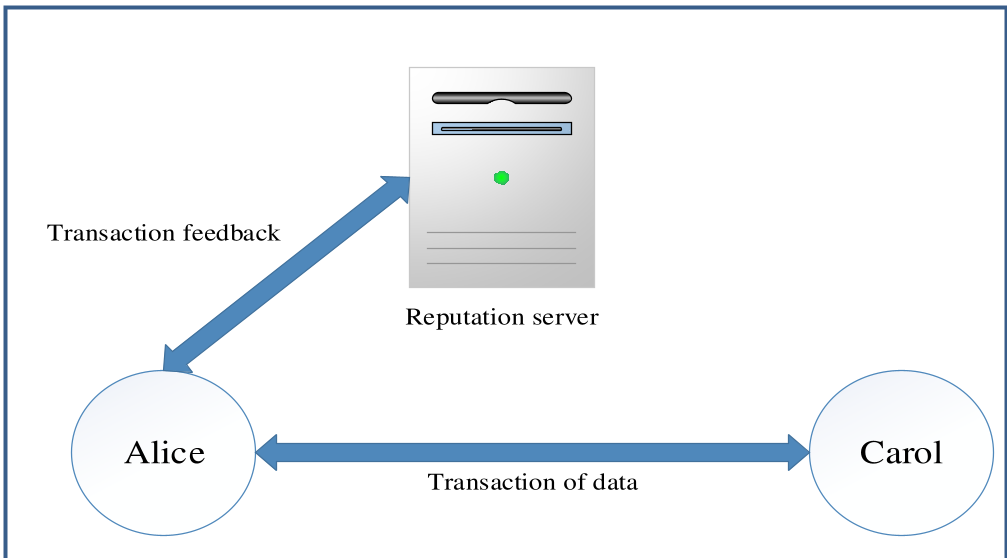 Figure 2: Analysis of credit vs. reputation changes under varying malware probabilities.
Critical Analysis & Conclusion
Takeaway
The integration of credit-based guarantees with behavioral reputation creates a "fail-fast" system. By centralizing the reputation logic on a server, the model supports scalability and prevents the high computational overhead that usually drains IoT device batteries.
Limitations
- Centralization Risk: The Reputation Server is a single point of failure and a high-value target for hackers.
- Static Thresholds: The 0.5 isolation threshold is fixed; in dynamic environments, an adaptive threshold might be more resilient.
Future Outlook
This work lays the foundation for moving SIoT trust from a "best-effort" social mimicry to a verifiable, performance-based security protocol. Future iterations involving distributed ledgers (blockchain) could potentially decentralize the reputation server while maintaining its integrity.