
Pervasive Computing: The Architectural Shift Towards Proactive and Personalized Healthcare
19092_Guest Editors' Introduction Pervasive Computing in Healthcare.
This paper editorial outlines the paradigm shift of Pervasive Computing in healthcare, moving beyond simple consumer monitoring to integrated ecosystems like Activity-Based Computing and wearable Body Area Networks. It introduces a multifaceted framework involving experts from UW, NIST, IBM, and Mayo Clinic to synchronize sensor data with clinical workflows.
TL;DR
This seminal editorial defines the trajectory of pervasive computing in medicine, moving from isolated gadgets (blood pressure cuffs) to holistic, integrated systems. By leveraging wearable sensor networks, distributed gait analysis, and activity-based workflows, the goal is to lower costs, decentralize expert care, and transform healthcare into a personalized, continuous service.
Background & Motivation: Beyond the Doctor's Office
For decades, the "Gold Standard" of medical data was the clinical visit—a momentary snapshot of a patient's health. However, this approach misses the critical 99% of a patient's life spent outside the clinic. The motivation behind this work is to bridge the gap between acute hospital care and daily life. The authors identify a fundamental bottleneck: while we have sensors, we lack the connective tissue—the infrastructure to turn raw telemetry into actionable clinical insights.
Methodology: The Core Pillars of Pervasive Health
The roadmap presented by Borriello et al. focuses on three distinct layers of technological intervention:
1. The Sensing Layer (Body Area Networks)
To enable continuous monitoring without the burden of wires, the authors highlight the transition to Conductive-Fabric Garments. This allows for a "cable-free" Body Area Network (BAN), integrating physiological sensors directly into clothing.
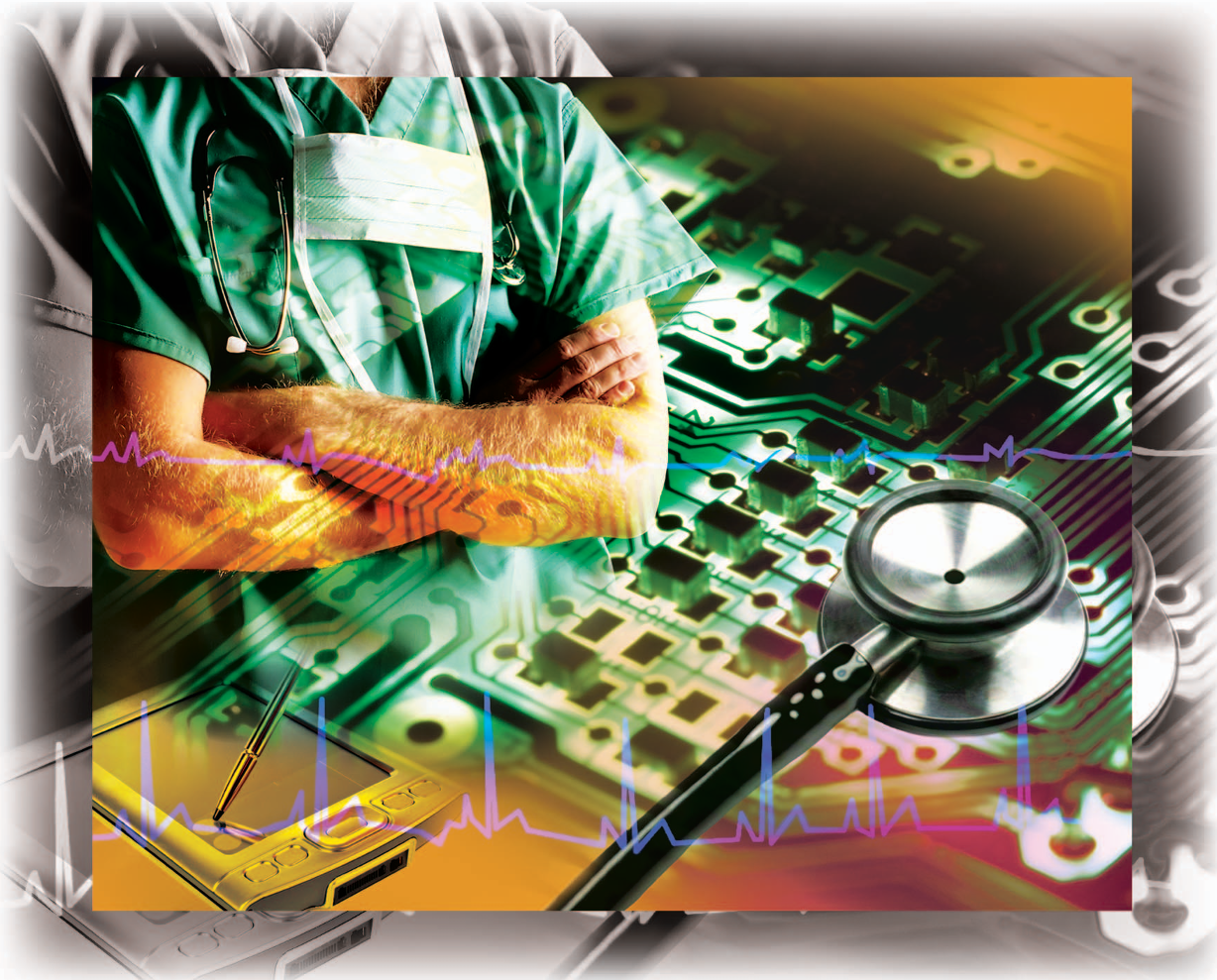 Figure 1: The vision of smart spaces and pervasive sensors.
2. The Contextual Layer (Distributed Assessment)
Instead of bringing the patient to the lab, the lab goes to the patient. For example, the Distributed Healthcare project implements gait analysis in home environments shared by multiple people. The challenge here isn't just "sensing," but "identifying"—distinguishing the patient's gait from a spouse's or a pet's in an unstructured environment.
3. The Workflow Layer (Activity-Based Computing)
In a hospital setting, technology often hinders rather than helps. The Activity-Based Computing (ABC) project shifts the focus from "filling out forms" to "supporting clinical activities." This framework allows teams of doctors to maintain a shared state of a patient’s journey across different shifts and departments.
Key Outcomes and Applications
The editorial showcases several high-impact prototypes:
- Ubiquitous Psychotherapy: Using PDAs to allow Cognitive Behavioral Therapy (CBT) to happen in the moment of crisis, rather than being recounted days later.
- Autism Support Technologies: Creating searchable visual records of therapy sessions to help educators harmonize their treatment strategies.
- Continuous Telemetry: Achieving high-fidelity biometric data through wearable garments that do not interfere with the patient's range of motion.
 Figure 2: The broader ecosystem of Distributed Systems supporting pervasive health.
Critical Analysis & Conclusion
This work correctly identifies that the challenge of pervasive healthcare is not just a hardware problem but a middleware and human-factors problem.
Takeaways:
- Inductive Bias toward Activity: The shift from task-based UI to activity-based computing is a significant UX evolution for clinical software.
- Hybrid Intelligence: The goal is to "augment human ability to detect patterns" rather than fully automate the caregiver.
Limitations: While the technical roadmap is robust, the editorial touches only lightly on the massive data privacy and ethical implications of "pervasive" monitoring. As we move toward 2026, the challenge remains: how do we balance "all-seeing" medical sensors with the patient's right to digital invisibility?
Future Outlook: The next frontier is the integration of Generative AI with these pervasive streams, allowing for real-time, natural-language "health coaching" based on the very telemetry data this paper envisioned decades ago.