
Citizen Engineering: Bridging the Gap Between Crowdsourcing and Professional Disaster Assessment
Haiti earthquake photo tagging: Lessons on crowdsourcing in-depth image classifications
The paper presents a specialized crowdsourcing platform designed for post-disaster structural damage assessment, specifically focusing on the 2010 Haiti Earthquake. It introduces a multi-step image classification workflow and three distinct data-cleansing strategies to transform amateur inputs into high-trustworthiness engineering data, achieving a final accuracy of 91.6%.
TL;DR
In the wake of the 2010 Haiti Earthquake, researchers at the University of Notre Dame developed a platform to turn undergraduate volunteers into "Citizen Engineers." By moving beyond simple tagging to a multi-layered classification workflow and implementing a novel sequence-based data-cleansing technique, they achieved over 91% accuracy in professional-grade damage assessment.
Context: Why Crowdsourcing Isn't Enough for Infrastructure
While AI has made leaps in visual recognition, the nuance of structural engineering—distinguishing between "shear" and "flexure" damage—remains a stronghold of human intelligence. However, simply asking the "crowd" to label disaster photos is insufficient. Civil engineering requires high-fidelity data that can inform remediation and risk reduction. The challenge lies in the fact that amateur taggers are prone to "gaming the system" for speed or, conversely, over-classifying minor flaws due to moral enthusiasm.
Methodology: The 5-Layer Deep Tagging Workflow
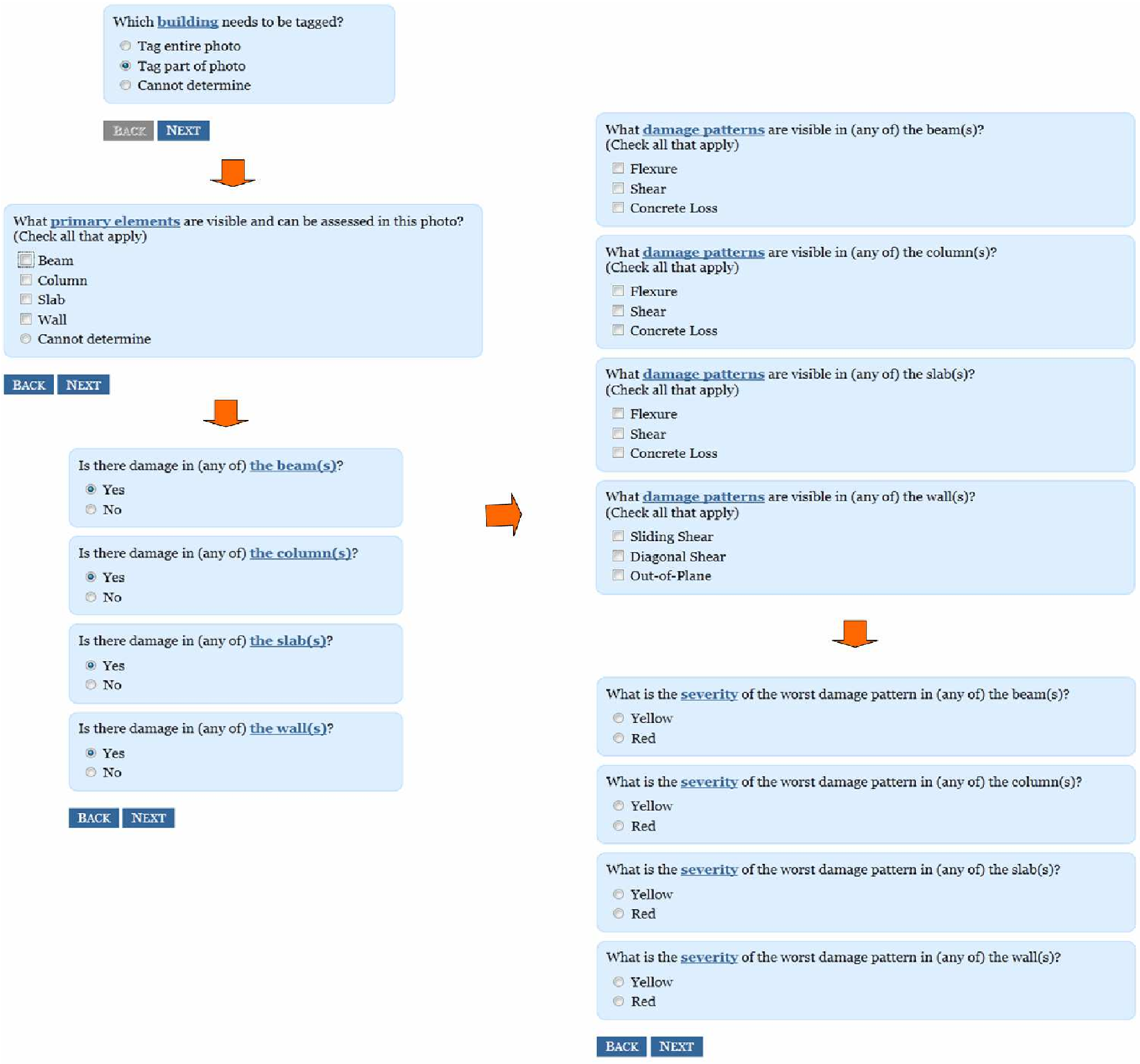
The researchers didn't just ask "is this building damaged?" Instead, they forced users through a professional-grade decision tree designed by civil engineering professors.
- Image Content: Is the structure recognizable?
- Element Visibility: Can we see beams, columns, or slabs?
- Damage Existence: Is there visible harm to these specific elements?
- Damage Pattern: What is the nature of the failure?
- Damage Severity: Is it a "Yellow" (reparable) or "Red" (total loss) condition?
Solving the "Clicker" Problem: Sequence-Based Cleansing
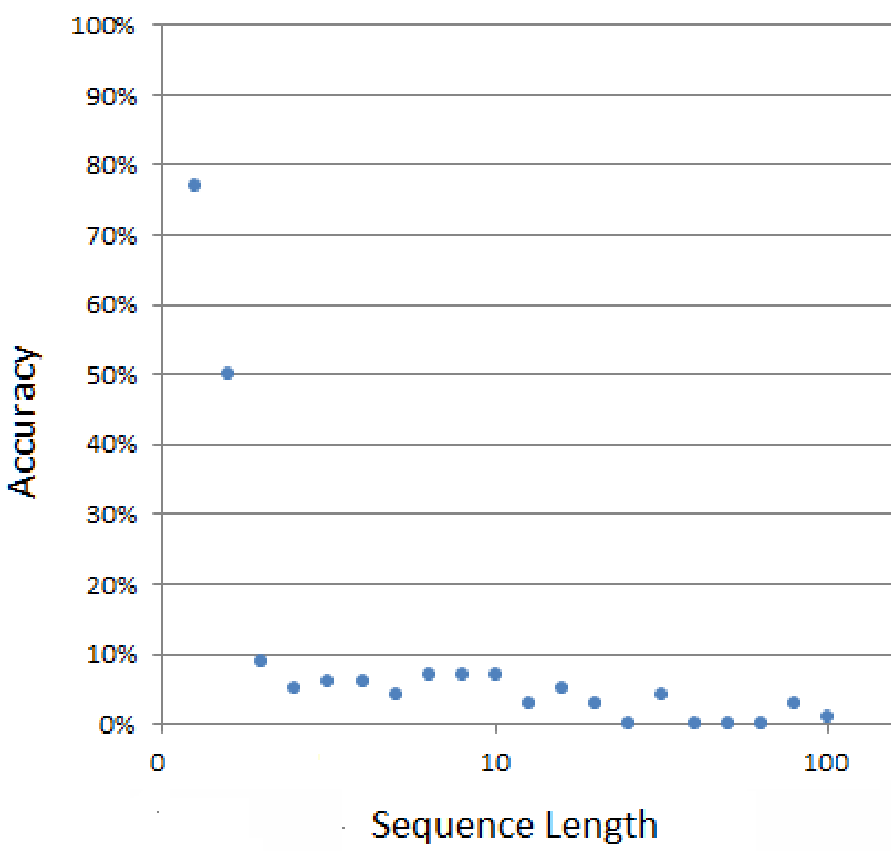
One of the study's core technical contributions is its approach to data quality. They noticed that many users discovered a shortcut: clicking "Cannot Determine" to skip difficult photos. Unlike standard filters that might ban a user entirely, the authors proposed Approach 3: Sequence Trimming.
- The Insight: It is statistically rare for more than three severely destroyed (unassessable) buildings to appear in a row.
- The Result: By trimming sequences of "Cannot Determine" longer than 3, they removed high-noise data while preserving the high-quality labels users provided before they got tired or bored.
Results: Experts vs. The Crowd
The research revealed a fascinating "Bias Resource." Pro-engineers were often divided amongst themselves (only 30% unanimous consensus). Some professionals were comprehensive (inferring hidden damage), while others were conservative (only labeling what is explicitly visible).
Furthermore, the crowd tended to over-classify. Because they wanted to be helpful, they labeled non-essential flaws as "substantial damage."
| Stage | Accuracy |
|---|---|
| Raw Crowd Consensus | 71.0% |
| After Sequence Trimming | 84.0% |
| Adjusting for Over-Classification | 91.6% |
Critical Insight: Lessons for Future "Social-Benefit" Tech
The paper concludes with three pillars for future citizen engineering:
- Objective/Subjective Blending: Insert "trap" questions with verifiable answers (e.g., "Where was the epicenter?") to ensure users are paying attention.
- Confidence Sourcing: Users should submit a "certainty score" alongside their labels.
- Morality Encouragement: For non-paid volunteers, social recognition (featured on school news) and "thank-you" notes from survivors are more effective than small monetary rewards.
Conclusion
This work demonstrates that the crowd can perform expert-level tasks, but only if the platform is designed to handle the human nuances of fatigue and over-eagerness. As we move toward more AI-assisted disaster relief, this "human-in-the-loop" framework provides a vital blueprint for generating the high-quality ground truth data that future machine learning models will inevitably depend on.