
Hawk Eye: Re-engineering Plagiarism Detection through Cohort Intelligence and Genetic Optimization
HAWK EYE: Intelligent Analysis of Socio Inspired Cohorts for Plagiarism
The paper introduces "Hawk Eye for Cohort" (HEC), an intelligent mobile plagiarism detection framework that combines Optical Character Recognition (OCR) with Genetic Algorithms (GA) and Cohort Intelligence (CI). HEC aims to categorize and predict student plagiarism behaviors across various academic disciplines to facilitate the design of adaptive, preventative evaluation systems.
TL;DR
"Hawk Eye for Cohort" (HEC) is an innovative framework that moves beyond simple text matching. By combining mobile OCR, Genetic Search, and Cohort Intelligence (CI), it analyzes the "socio-inspired" behavior of students. Instead of just flagging copied content, it categorizes students into behavioral "buckets" to help teachers design assignments that prevent plagiarism at its root.
Background: The Social Trap of Information Exchange
In the digital era, students often equate the exchange of information with social integrity—the "more you exchange, the more social you are" philosophy. This creates a unique challenge for universities where traditional tools like Turnitin or MOSS often fail to detect manual changes or understand the motivation behind the copy-paste culture. The authors argue that a human-like, observant "Hawk Eye" is needed to bridge this gap.
Problem & Motivation
Current plagiarism detection tools suffer from significant limitations:
- Inaccuracy: No tool provides 100% confidence.
- Static Nature: They detect the what but not the how or why.
- Lack of Prevention: Most tools are reactive (punishing) rather than proactive (preventing).
The authors' insight is to treat a classroom of students as a Cohort—a population whose behavior can be modeled and optimized using algorithms inspired by natural selection and self-supervision.
Methodology: The HEC Architecture
The HEC system operates through a multi-stage pipeline:
1. The Hawk Eye Scanner
The front-end uses a mobile OCR engine to convert snapshots of code or text into digital format. It uniquely suggests the use of Intelligent Word Recognition (IWR) for handwritten plagiarized notes.
2. Genetic Search (GA) for Attribute Selection
GA is used to navigate the complex search space of plagiarism indicators. It identifies which attributes (e.g., Maintainability Index, Cyclomatic Complexity, or specific Token counts) are the strongest predictors of a plagiarized document.
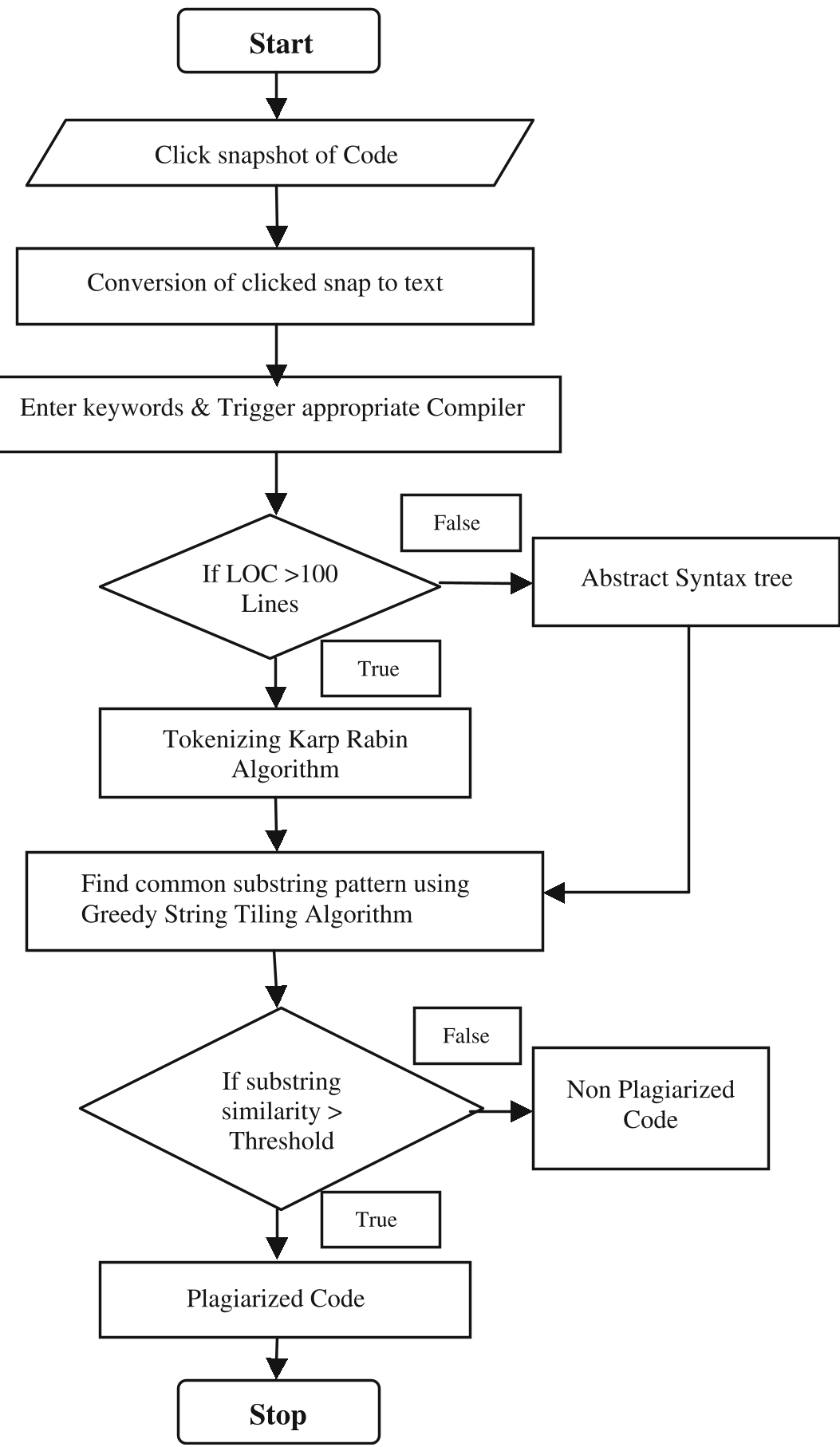 Figure 1: The dual-phase workflow of the Hawk Eye system, from image capture to intelligent analysis.
3. Cohort Intelligence (CI)
CI is the core "soft-computing" element. It mimics how individuals in a group observe and learn from the "best" behavior in their neighborhood to improve their own state. In HEC, this is used to converge on a student's final behavioral pattern.
Experiments & Behavioral Insights
The study utilized WEKA for the Genetic Search implementation and categorized students into "Bucket 1" (Engineering) and "Bucket 2" (Commerce).
Key Findings from Cohort Analysis:
- CS/IT Students: Typically exhibit high plagiarism (65%) through variable renaming and code reordering.
- Law Students: Showed the highest plagiarism rates (85%) in case studies, often involving copyright infringement and unethical information exchange.
- Actionable Remediation: The system doesn't just "catch" them; it suggests faculty actions. For example, if a student shows a high "Ability to Learn" but matches a plagiarism pattern, the system suggests moving them into real-time group presentations to redirect their social energy.
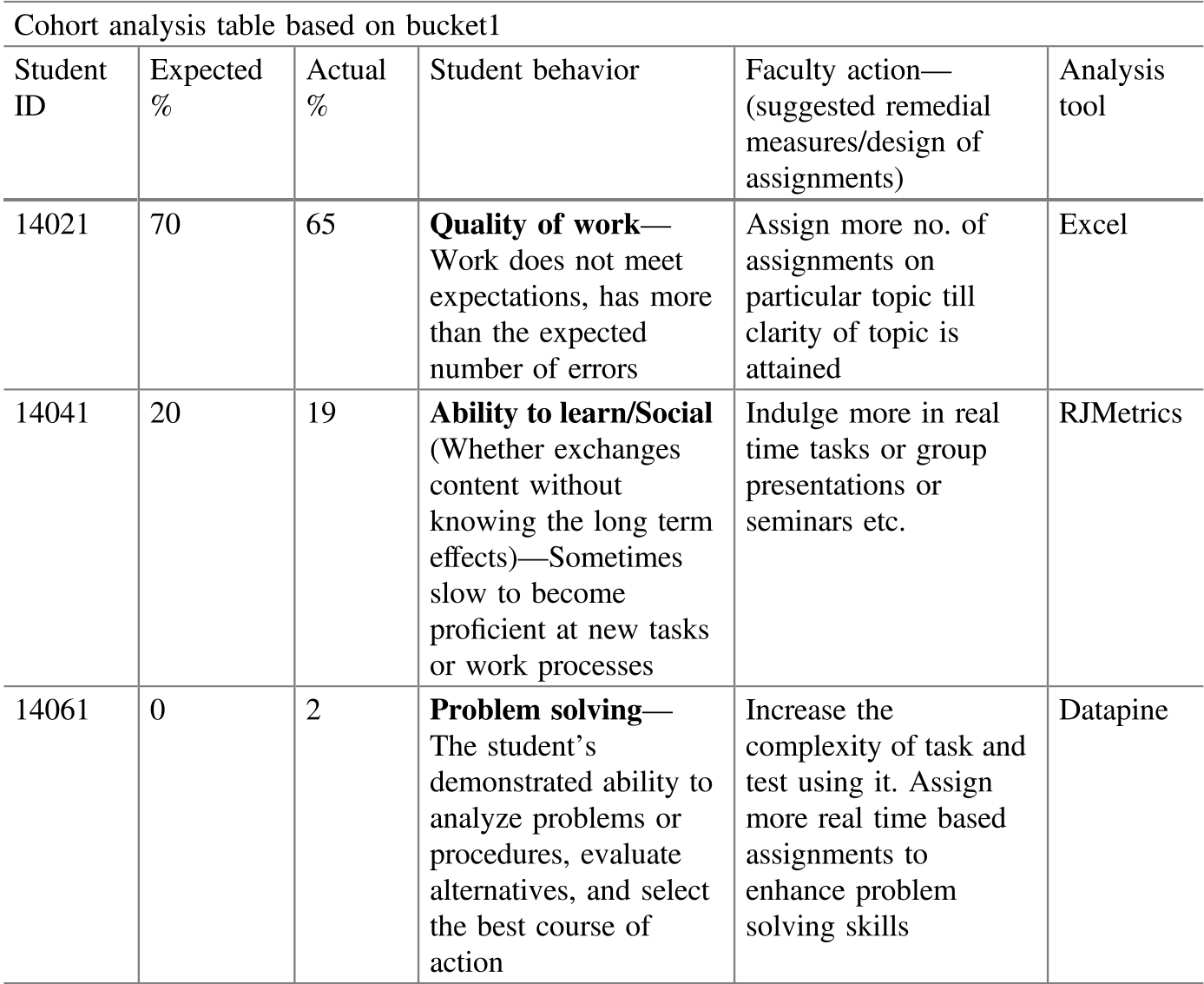 Table 1: Strategic remedial measures suggested by the HEC framework based on actual plagiarism percentages.
Critical Analysis & Conclusion
Takeaway
HEC represents a paradigm shift from Detection to Behavioral Analytics. By using Genetic Search and CI, the system creates an "incrementally learning evaluation system" that evolves with every new batch of students.
Limitations
While the theoretical framework is robust, the paper relies heavily on traditional code metrics (like Cyclomatic Complexity). In the age of LLMs (Large Language Models), simple token-based or AST-based detection may need to be augmented with deep learning embeddings to capture semantic similarity that transcends structural changes.
Future Work
The "Hawk Eye" approach suggests a future where academic integrity is maintained through personalized curriculum design—where the assignments themselves are optimized by AI to match the specific learning (and copying) tendencies of each graduating cohort.