
Beyond "Sugar Thinking": Empowering Older Adults through Co-Creative Fall Prevention
HCI Methods for Empowering Discussion on Person-Centered Fall Prevention with Older Adults
2015-12-07
Summary
Problem
Method
Results
Takeaways
Abstract
This paper investigates how Human-Computer Interaction (HCI) methods can enhance person-centered fall prevention for older adults. It introduces a set of HCI-inspired design guidelines and emphasizes co-creation to move beyond "one-size-fits-all" assistive technologies (ATs) and home modifications (HMs).
## TL;DR
Falls remain a leading cause of loss of independence for older adults, yet compliance with medical "solutions"—like ramps and grab rails—is notoriously low. This paper identifies **stigmatization** and **poor visual communication** as the primary culprits. By applying HCI principles and co-creation, the authors propose a shift from "compensatory" design to "empowering" design, ensuring that fall prevention respects the user's identity and life goals.
## The Compliance Gap: Why "Safety" Often Fails
In the world of geriatric care, there is a frustrating paradox: older adults fear falling, yet they frequently reject the very tools designed to prevent it. Statistics show compliance rates for complex home modifications can be as low as **13%**.
The authors argue this is due to **"Sugar Thinking"**—a term coined by Rogers and Marsden to describe the mentality of providing help from a non-inclusive, third-person standpoint. When we design *for* the elderly as a homogenous group experiencing "decline," we create tools that scream "frail" and "disabled." As seen in the case of "Client B" in the study, participants would rather risk a fall than be perceived as vulnerable by their community.
## Methodology: Listening to the Goals Behind the Frailty
The researchers analyzed 60 documents, including falls risk assessments and person-centered care forms. They found a recurring theme: older adults aren't just looking for "safety"—they are looking for **agency**.
One respondent wanted a garden so they could "look out at their achievements," while another, a retired GP, displayed "stubbornness" as a way of maintaining the expert status they held during their career. The current methodology for communicating changes to these people is primitive, often relying on hand-drawn sketches on blank paper.
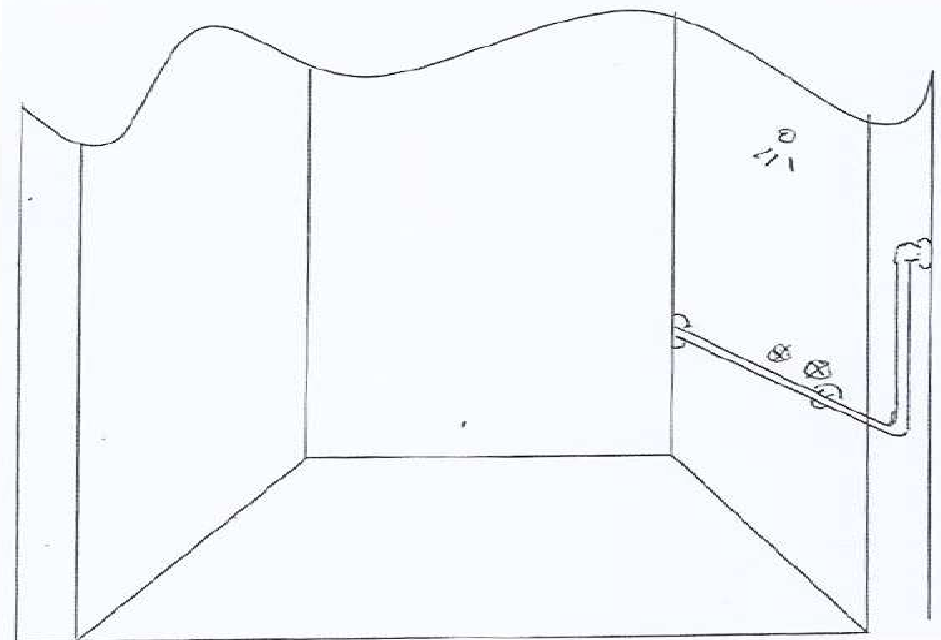
*Figure 1: Current practice uses insufficient visual language, leaving the final aesthetic impact to the user's imagination—often leading to rejection.*
## The HCI Solution: A New Framework for Design
To fix this, the paper proposes a set of guidelines that bridge the gap between clinical requirements and Human-Computer Interaction:
* **Adaptive & Collaborative**: The design process must change based on the user's specific life goals, ensuring the balance of power is equal between the therapist and the older adult.
* **Visual Language**: Users need to see *exactly* what a modification will look like. The authors suggest that digital visualization tools (like the one shown in Figure 3) are essential.
* **Aesthetically Pleasing**: Function is not enough; if a handrail looks like it belongs in a hospital, it likely won't be installed in a cherished home.
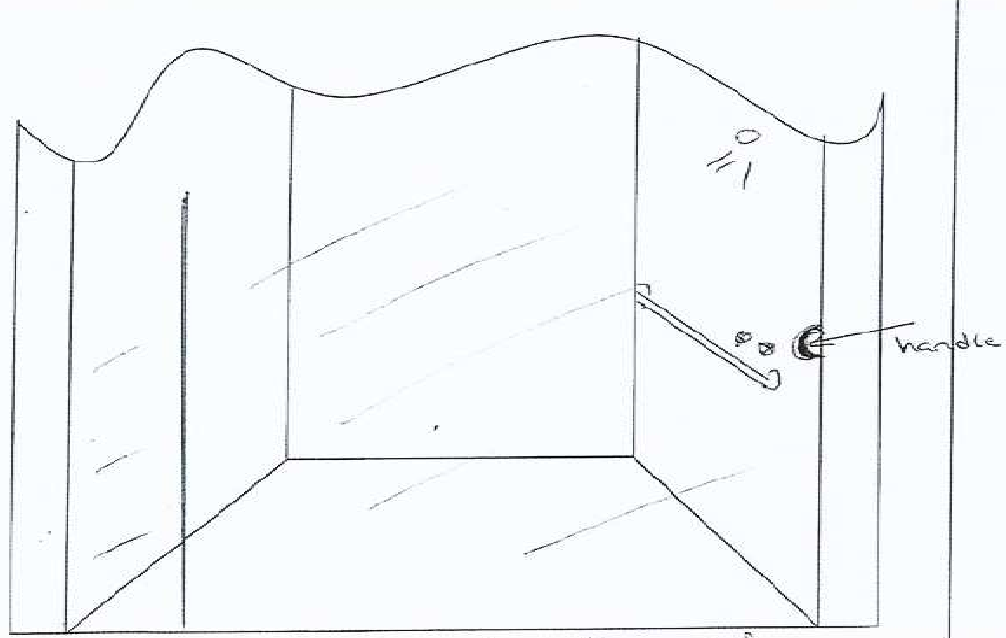
*Figure 2: Moving toward digital overlays on photographs provides a more "truthful" representation of environmental changes.*
## Experiments and Results: The Stigma Factor
The qualitative analysis revealed that even when the "Care Goal" (safety) is met, the "Life Goal" (independence/status) is often violated.
* **Case A**: Favored a less safe rear ramp over a front one because the front ramp was "cumbersome" and threatened their home's curb appeal and their own self-identity.
* **Case B**: Refused a wheelchair and bed poles to avoid appearing "disabled" but accepted hip protectors because they were hidden.
This demonstrates that **discretion and aesthetics** are not secondary—they are fundamental to the success of the technology.
## Deep Insight: From Protection to Empowerment
The core takeaway is that the "Human Home Habitat" is more than a physical space; it is a "nesting ground for personal expression." When HCI designers or medical professionals modify it without a shared visual language, they are invading a spiritual space.
The future of this research lies in a **portable, real-time visualization tool**. By allowing an older adult to "virtually" place a ramp and see colors, materials, and placement, they transition from a "patient" receiving an order to a "designer" making a choice.
## Conclusion
This paper serves as a vital reminder for the HCI community: as the population ages, our challenge is not just to prevent falls, but to do so while preserving the dignity and individuality of the people we serve. The most "usable" device is one that the user actually wants to use—and that requires a seat at the design table.