
Healthcare Informatics: The Engine of Evidence-Based Management
Healthcare Informatics Research: From Data to Evidence-Based Management
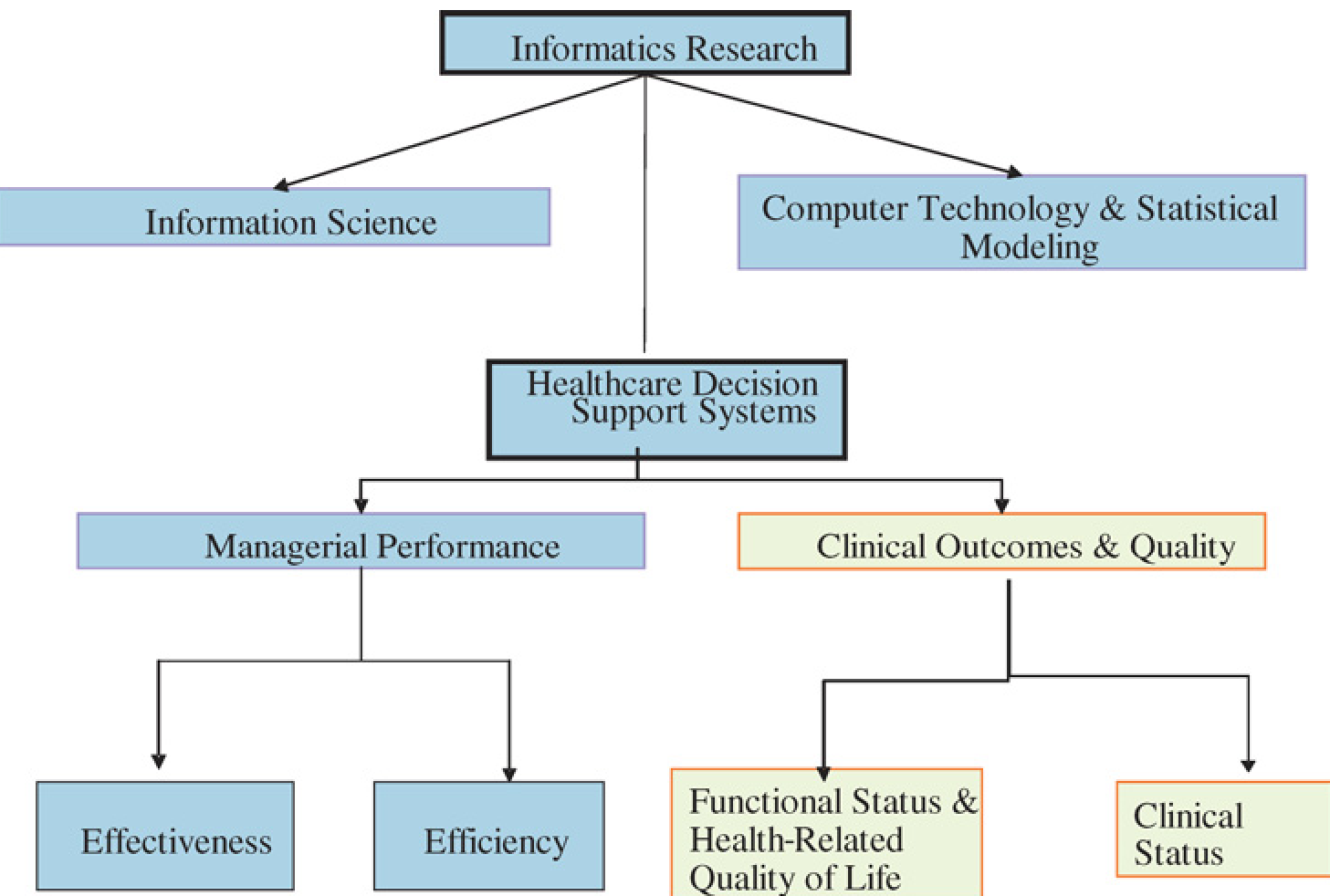
This research defines healthcare informatics as a scientific endeavor merging information science, computer technology, and statistical modeling to create decision support systems. It introduces a systematic framework for transitioning from raw clinical/administrative data to evidence-based management (EBM) to optimize organizational performance and patient outcomes.
TL;DR
Healthcare is drowning in data but starving for actionable knowledge. This seminal research by Thomas T. H. Wan outlines a comprehensive framework for Healthcare Informatics Research, transforming raw datasets into "Evidence-Based Management." By utilizing data warehousing, mining, and simulation, healthcare organizations can move past instinct-driven decisions toward a future of optimized patient safety and organizational efficiency.
The Motivation: Moving Beyond Instinct
The healthcare industry faces a paradox: while clinical and administrative data are being gathered at an unprecedented rate due to an aging population and rising expectations, medical errors still claim tens of thousands of lives annually. The root cause is fragmentation.
Existing systems are often "data silos" that fail to communicate. The author argues that the competitive edge in modern medicine doesn't come from having data, but from building relational databases that support Evidence-Based Knowledge. This shift allows policy makers and administrators to rely on data-driven reference points rather than guesswork.
Methodology: The Five Analytical Strategies
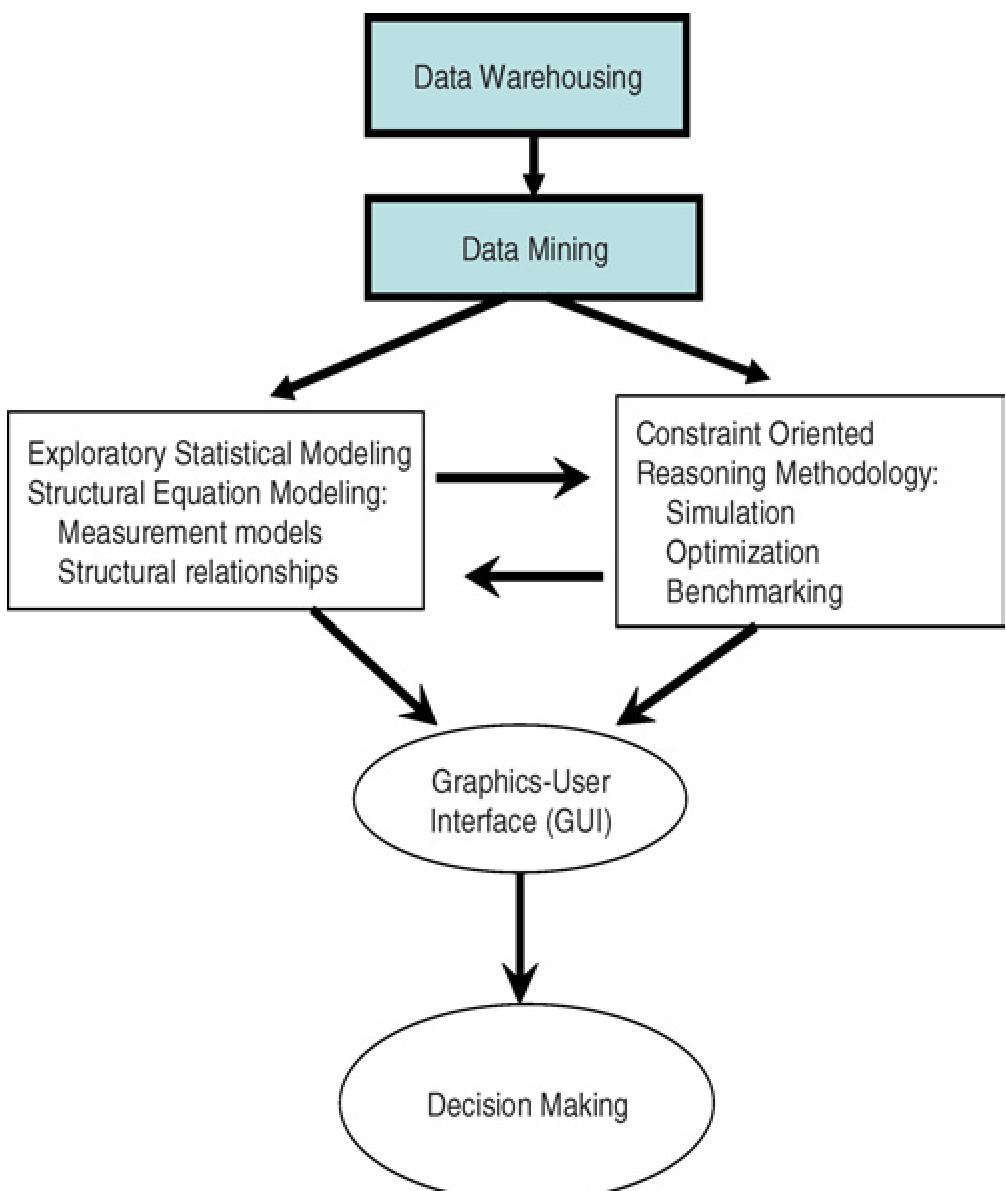
The paper details a systematic process for compiling and simulating data to produce replicated findings. The architecture of this approach is visualized in the research as a flow from data sources to decision support.
1. Data Warehousing
The first step is structuring data within a theoretically informed framework. This involves extracting data from multiple sources (clinical, financial, etc.) and populating variables under a uniform classification system.
2. Data Mining
Rather than simple reporting, data mining identifies the "causal paths" for service delivery problems. It allows for the profiling of "Best Practice Models" and the establishment of benchmarks for continuous performance enhancement.
3. Simulation and Optimization
By building interfaces between analytical modeling and operations research, administrators can visualize the potential outcomes of different management strategies before implementing them.
Real-World Impact and Results
The research highlights several critical applications where informatics proved life-saving or cost-effective:
- Bioterrorism Response: During the 2001 anthrax attacks, GIS software and informatics monitored the screening process and antibiotic distribution, essentially identifying "signals of impending catastrophe" amidst operational noise.
- Chronic Disease Management: Integrated Home Telecare Systems for the elderly and chronically ill (e.g., ARAMIS, CHESS) reduced costs by integrating clinical signs monitoring with automated scheduling.
- National Infrastructure: Projects like the Healthcare Cost and Utilization Project (HCUP) in the US and the Electronic Patient Record (EPR) policy in the UK demonstrate that informatic integration leads to superior healthcare outcomes.
Deep Insights & Future Outlook
The core takeaway of this work is that Healthcare Informatics is an interdisciplinary field, not just a technical one. It requires the convergence of computer science, cognitive science, and management.
Key Insights:
- The Quality Gap: Technology alone won't close the quality gap; interdisciplinary research and standardized training programs for "policy analysts in informatics" are required.
- Evidence-Based Management (EBM): Just as doctors use evidence-based medicine to treat patients, administrators must use Evidence-Based Management to treat the organization's inefficiencies.
Limitations & Challenges:
The author acknowledges a severe shortage of healthcare informatics experts and the need for federal agencies (like CMS and AHRQ) to sponsor data warehousing activities at a national scale. Without a unified National Health Information Infrastructure (NHII), the system remains fragmented.
Conclusion:
This paper serves as a blueprint for the modern digital health era. It advocates for a transition from reactive care to proactive, data-driven management—a move that is essential for the sustainability of global healthcare systems.