
Beyond Algorithms: Infusing Personality into E-Commerce Bargaining
A heuristic personality-based bilateral multi-issue bargaining model in electronic commerce
This paper introduces a heuristic, bilateral multi-issue bargaining model for e-commerce that incorporates the Five-Factor Model (FFM/OCEAN) of personality into intelligent agents. By utilizing fuzzy inference engines to map personality traits to "Risk" and "Cooperation" factors, the authors developed a semi-dynamic bargaining protocol that enables more human-like, flexible automated negotiations.
TL;DR
Researchers have moved past rigid, time-based bargaining scripts to create "OCEAN agents"—software entities equipped with human-like personalities. By mapping the Five-Factor Model (FFM) of personality to negotiation behaviors, this study introduces a semi-dynamic model where agents use "Risk" and "Cooperation" factors to outmaneuver counterparts in complex, multi-issue e-marketplaces.
The Missing Piece: Why Rationality Isn't Human
In the world of Multi-Agent Systems (MAS), negotiation has long been treated as a mathematical optimization problem. While effective, these models lack the "irrational" but strategic flexibility of human personality.
Current SOTA methods often rely on time-based tactics: as the deadline nears, the agent concedes. However, humans don't just watch the clock; they use silence, aggression, or submission to sway the outcome. The authors argue that for agents to be truly effective e-commerce representatives, they must embody the behavioral patterns we recognize in ourselves.
Methodology: Mapping OCEAN to Action
The core innovation lies in the transformation of the OCEAN (Openness, Conscientiousness, Extraversion, Agreeableness, Negative emotions) model into actionable bargaining parameters: Risk and Cooperation.
1. The Knowledge Architecture
Instead of real-time heavy computation, the model uses a Stationary-Mobile division:
- Stationary Side: Performs heavy lifting, calculating a sorted matrix of all possible preferences and utility values.
- Mobile Side: Travels the network, armed only with a "distilled" knowledge matrix, making fast decisions based on the assigned personality.
2. The Decision Logic
Using Fuzzy Inference Engines, facets like Achievement Striving (C4) and Deliberation (C6) are processed to define how much risk an agent takes in its initial offer and subsequent counter-offers.
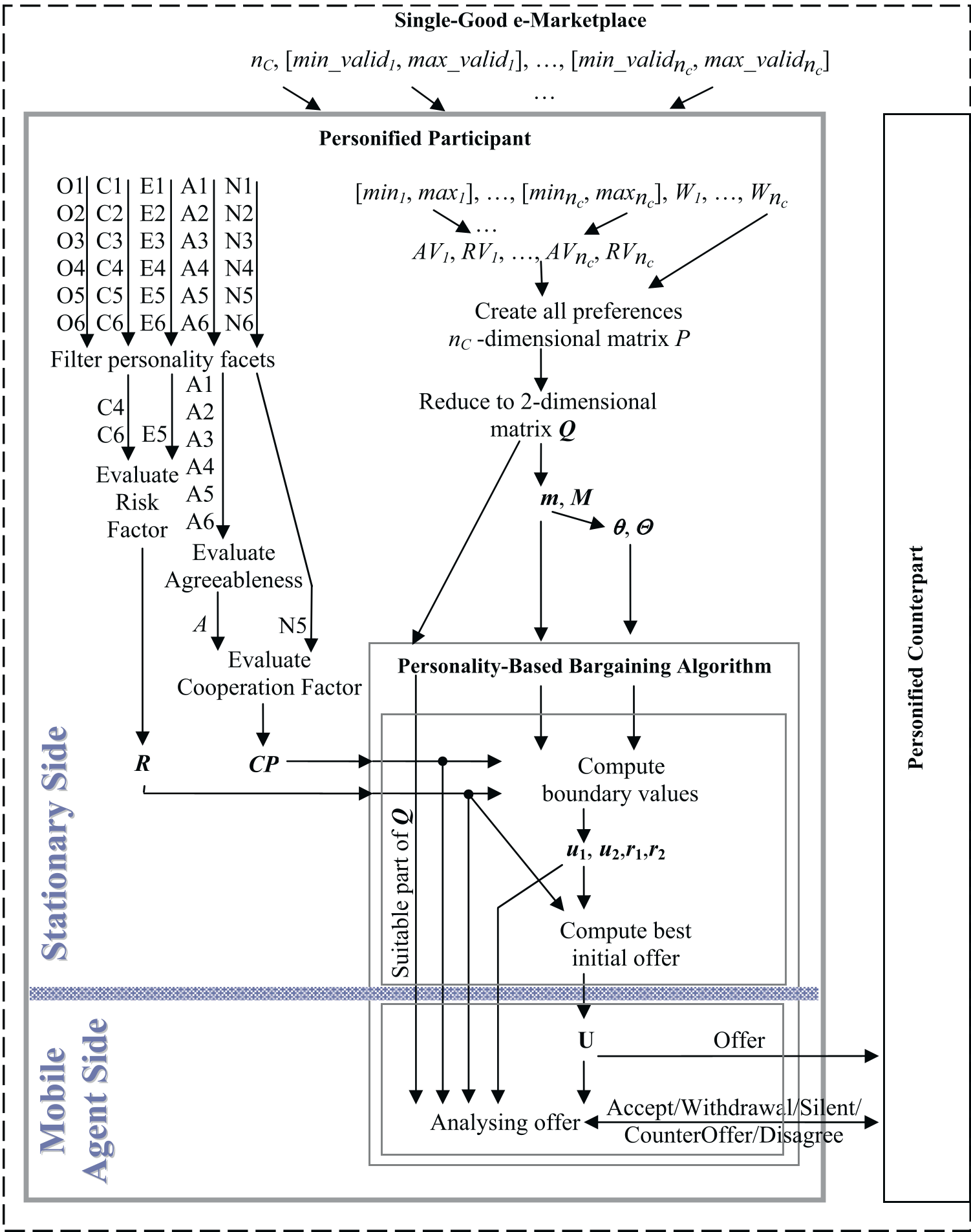 Figure 1: The dual-sided architecture allows mobile agents to remain lightweight while retaining deep behavioral logic.
Key Behavioral Scenarios
The authors identified several "Stereotypical" behaviors:
- The Avoider (LL): Low Risk, Low Cooperation. They stick to their guns and walk away easily.
- The Submissive (LH): Low Risk, High Cooperation. Eager to reach a deal, even at a lower utility.
- The Negotiator (MM): Balanced. These agents engage in multiple bargaining rounds, often leading to the highest Social Welfare.
One unique feature is the "Nothing" Action: The agent stays silent even if an offer is acceptable, hoping the counterpart will concede even further—a classic human tactical move.
Experimental Insights: Who Wins the Deal?
The study simulated negotiations over a good with three criteria: Shipping, Payment, and Packaging.
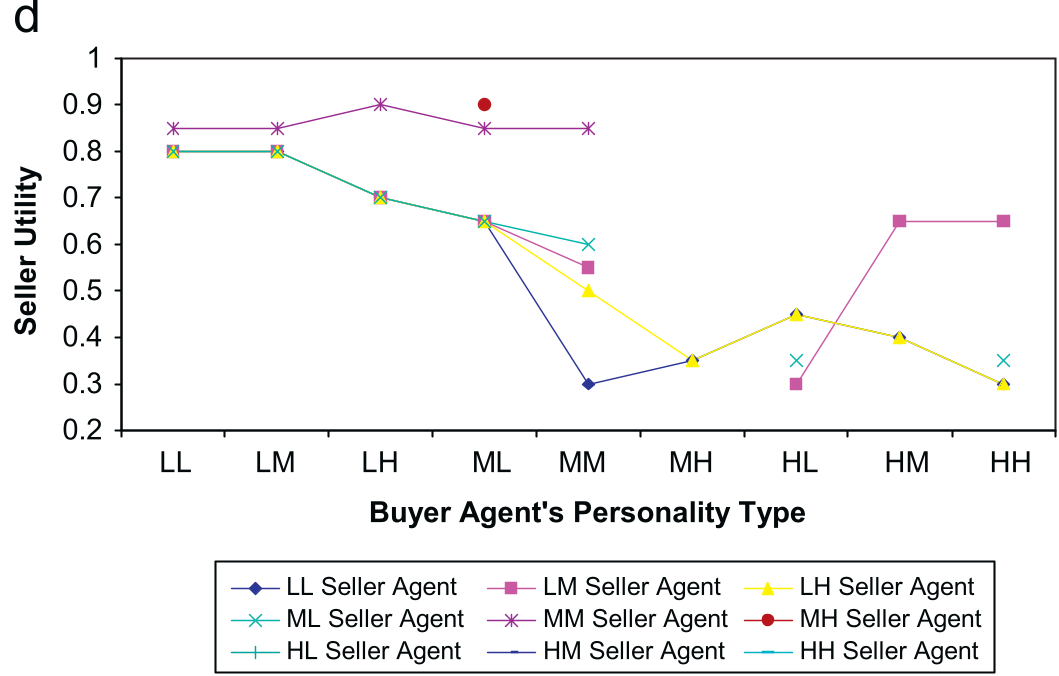 Figure 2: Analysis of contract utilities across different seller and buyer personality types.
Critical Findings:
- First Mover Advantage? Interestingly, the results suggest that in this model, the party that initiates the negotiation often ends up with a utility slightly below their desire, while the counterpart gains more.
- The Social Welfare Champion: The MM (Negotiator) seller combined with ML (Semi-submissive) buyers provided the highest utilitarian Social Welfare (the sum of both parties' satisfaction).
- Market Activeness: Sellers with low risk (LL/LH) were the most successful in actually closing deals across all types of buyers, ensuring the "market" remained liquid and active.
Critical Analysis & Conclusion
This paper successfully bridges the gap between psychological theory and computational MAS. It proves that "personality" is not just a cosmetic addition but a functional heuristic that can streamline complex multi-issue searches.
Limitations: The study relies on stereotypical profiles and lacks real-world human empirical data. The rules for fuzzy inference, while intuitive, are heuristic and could benefit from machine learning to "learn" more effective personality traits over time.
Future Outlook: The next frontier is integrating Learning Features. Imagine an agent that identifies its opponent's personality in the first two rounds and dynamically shifts its own "Cooperation" score to exploit the opponent's "Risk" profile. As we move toward a more automated economy, these "Personified" agents will be the ones handling our digital wallets.