
[Research Insight] Co-Creating Knowledge: Decoding High-Engagement Popular Science Microblogs
高参与度科普类微博知识内容价值共创研究_崔竞烽
This paper investigates "Knowledge Content Value Co-Creation" in high-engagement popular science microblogs (e.g., "Natural History" on Weibo). By analyzing content characteristics and interaction types, it constructs a framework for how bloggers and users collaboratively generate value, providing strategic insights for library knowledge services.
TL;DR
Why do some science microblogs go viral while others remain dormant? This research analyzes the "secret sauce" of high-engagement popular science accounts like Natural History (博物杂志). By breaking down the interactions between bloggers and users, the study reveals that value is not just "delivered" by the expert, but "co-created" through six specific types of social interaction.
The "Engagement Gap" in Knowledge Services
Digital libraries and science communicators often struggle with the "Echo Chamber" or "Ghost Town" effect—posting high-quality content that receives zero interaction. The core issue is the unidirectional flow of information. Traditional models treat users as passive vessels. This paper argues that the true value of knowledge content lies in the synergy between the expert’s post and the user’s collaborative input (comments, corrections, and inquiries).
Methodology: Mapping the Co-Creation Framework
The researchers built a comprehensive indexing system to categorize why a post succeeds. They focused on two dimensions:
- Content Features: Density of information, media types (images/videos), sentence variety, and emotional polarity.
- Interaction Mechanisms: How the blogger responds to the audience to trigger "Knowledge Contribution."
 Figure 1: Conceptual framework for analyzing knowledge interaction and value co-creation.
Key Findings: The Six Pillars of Interaction
The study identifies six critical interaction types that drive value:
- Answering Questions: Directly addressing user curiosity.
- Refuting/Correcting: Fact-checking user misconceptions (high engagement).
- Emotional Resonance: Using humor or empathy to lower the barrier to entry.
- Incentivizing Contribution: Publicly acknowledging smart user comments.
According to the data, posts that utilized "Opinion Refutation" or "Direct Inquiries" saw a significantly higher rate of Knowledge Extension, where users added their own local observations or related facts to the thread.
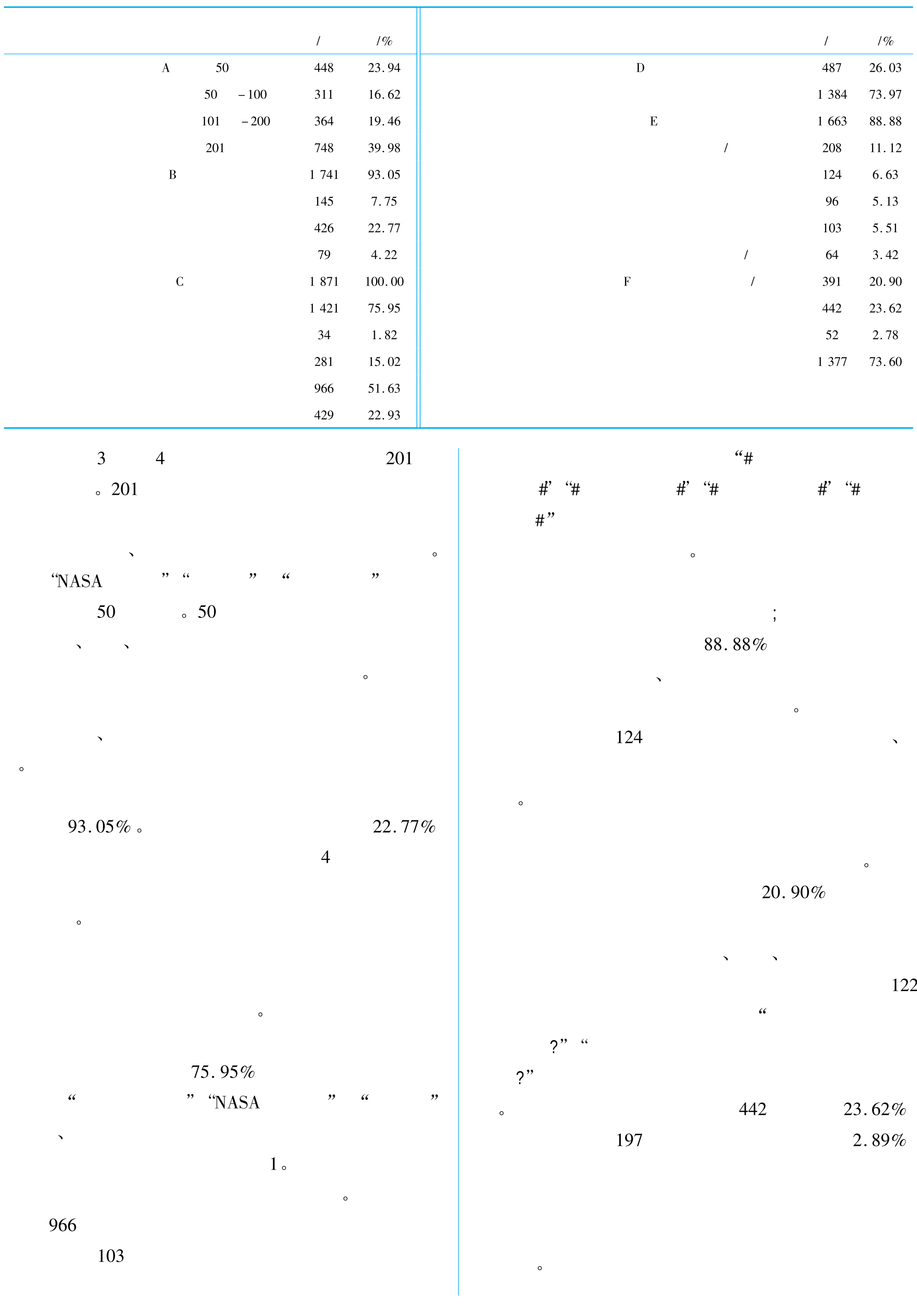 Table 1: Statistical breakdown of engagement levels and media diversity in the sampled data.
Critical Analysis: Why This Matters for the Future
The takeaway for libraries and educational institutions is clear: be less like a textbook and more like a host.
- Content is the Hook, Interaction is the Value: High-quality graphics and emotional storytelling attract the user, but it is the reply from the blogger that cements the knowledge value.
- The Power of "Refutation": Interestingly, correcting a user's mistake (done politely) often generates more educational value and engagement than simple agreement, as it clarifies boundaries of knowledge.
Limitations
The study focuses on a specific high-profile case. Scaling this level of manual interaction for smaller libraries with limited staff remains a challenge. Future research could explore how AI Agents might mimic these "Value Co-Creation" behaviors to maintain high engagement without human burnout.
Conclusion
Value co-creation turns a social media feed into a living encyclopedia. By adopting a "Service-Dominant Logic," knowledge providers can transform their platforms from static archives into vibrant communities of learning.