
Unleashing the Virus: A Systematic Approach to Viral Music Marketing
How to Unleash the Virus -- Social Networks as a Host for Viral Music Marketing
This paper explores "Viral Music Marketing" within social networks, proposing a systematic framework based on the unique characteristics of digital music. It identifies five Critical Success Factors (CSFs) across the phases of Message Design, Seeding, and Spreading, which were validated through qualitative expert interviews.
TL;DR
Music is inherently social, yet many marketers fail to make it "go viral" because they treat social networks like traditional billboards. This paper provides a scientific roadmap for Viral Music Marketing, shifting the focus from individual influencers to Social Contexts and proposing that the music experience itself must be the core of the marketing message.
Background: The Digital Paradox
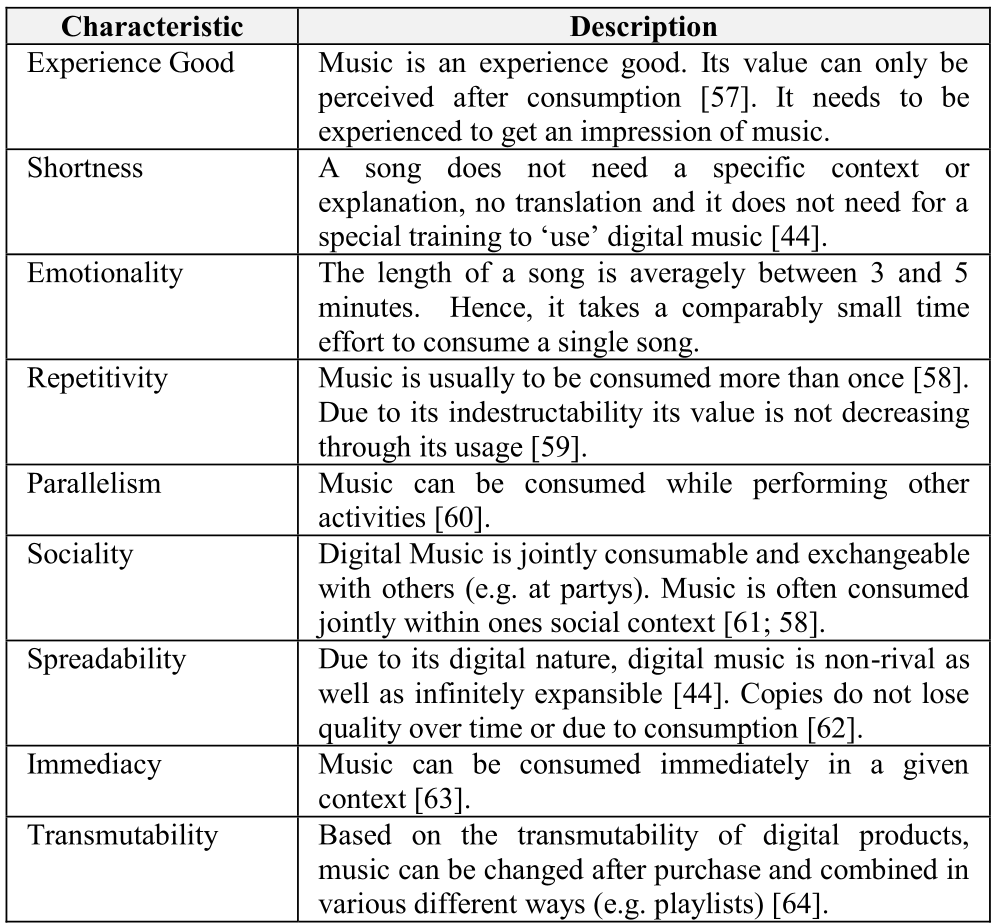
In the age of digitalization, music is ubiquitous. However, this creates a double-edged sword: consumers are overwhelmed by choice, and artists are drowned out by noise. The authors argue that to break through, marketers must leverage the Experience Good nature of music—meaning its value is only realized upon consumption—through structured viral strategies.
The "Why": Why Current Methods Fail
Traditional viral marketing often focuses on the "What" (the content) or the "Who" (the influencer). This paper argues that for music, the "Where" (Situational Context) and the "With Whom" (Social Context) are more important. Music isn't just a file; it's a social glue that accompanies domestic chores, gym sessions, and parties.
Methodology: Mapping Music to the Viral Process
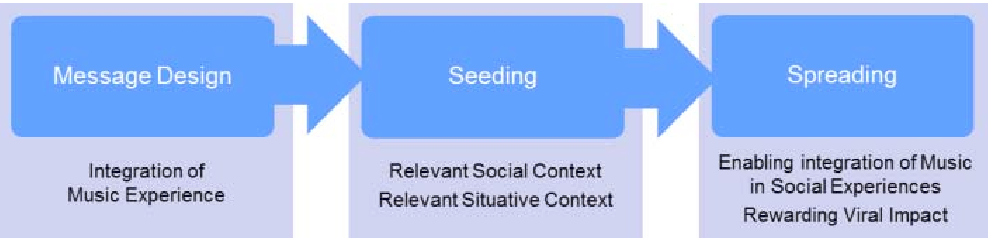
The core insight of the study is the alignment of music’s physical/digital traits with the three stages of viral growth.
1. Message Design: Music as the Message
- The Intuition: Since music is an emotional experience, the advertisement shouldn't just talk about the song; it must be the song.
- The Factor: Integration of Music Experience. By using snippets, streams, or videos, the message remains simple and immediately consumable.
2. Seeding: Beyond the "Opinion Leader"
- The Intuition: It is not enough to find a person with many followers. You must find a Social Context where music is already being discussed.
- The Factor: Seeding to groups and active conversations rather than isolated nodes.
Experimental Validation: Expert Insights
To validate these factors, the authors interviewed 11 experts from major labels and digital agencies.
| Stage | Key Finding | Expert Consensus |
|---|---|---|
| Message | Emotions are "multipliers" | Confirmed: Music must be integrated to ensure attractiveness. |
| Seeding | Group context vs. Individual | Confirmed: Interaction between leaders and followers drives the virus. |
| Spreading | Authenticity is fragile | New Insight: Rewards must be tied to the artist's brand to avoid looking "spammy." |
Key Result: The "Viral Impact" Factor
One of the most significant findings was that marketers should reward actual consumption (listening frequency/time) rather than just "shares." In the music world, a "share" without a "listen" is a dead-end for the virus.
Deep Insight: Turning Music into an "Experience Integration"
The paper concludes that the ultimate goal of a viral music campaign is to enable Integration of Music in Social Experiences.
- How? By allowing users to associate songs with their activities (e.g., custom playlists for specific social game soundtracks or gym routines).
- The Shift: The marketer stops being a "pusher" of content and becomes a "provider" of tools that help consumers incorporate music into their personal identities and social groups.
Critical Analysis & Conclusion
This work successfully bridges the gap between marketing theory and the specific technical "affordances" of digital music.
Takeaway: If you want a song to go viral, don't just ask people to "Check this out." Give them a reason to use that music to define a moment with their friends.
Limitations: The study was conducted in the pre-short-video-dominance era (TikTok/Reels). While the principles of "Situational Context" and "Seeding" remain highly relevant, the speed and algorithmic nature of these platforms now act as the "Seeder," potentially reducing the manual effort required by marketers but increasing the need for "Attractiveness" in the first 3 seconds.
Future Outlook: The next frontier is likely AI-personalized seeding, where algorithms match a song’s acoustic features (BPM, Mood) to a user’s current real-time activity data.