
Designing for Passion: Why Crowdsourcing Platforms Fail at Intrinsic Motivation
Principles of Human Computer Interaction in Crowdsourcing to Foster Motivation in the Context of Open Innovation
This paper explores human-computer interaction (HCI) principles in Open Innovation Crowdsourcing platforms. It employs Malone’s framework for enjoyable user interfaces to conduct a participatory heuristic evaluation of top platforms like InnoCentive, Atizo, and Dell’s IdeaStorm, aiming to identify how design fosters intrinsic motivation.
TL;DR
Successful Crowdsourcing is not just about the "Open Call"—it’s about the "Open Interaction." This paper analyzes why giants like InnoCentive and Dell IdeaStorm still struggle to keep users truly engaged. By applying Malone's principles of enjoyable design, the researchers found that while we are good at setting goals, we are terrible at making the process fun.
The "Motivation Gap" in Open Innovation
In the world of Open Innovation, companies outsource problem-solving to the "Crowd." However, most platforms treat the crowd as a black box: you put a prize in, and an idea comes out. This relies on extrinsic motivation.
The authors argue that this is unsustainable. The real value lies in intrinsic motivation—doing the work because it is satisfying, challenging, or curious. The problem? Current User Interfaces (UI) focus on the transaction of information rather than the experience of contribution.
Methodology: The Malone Framework
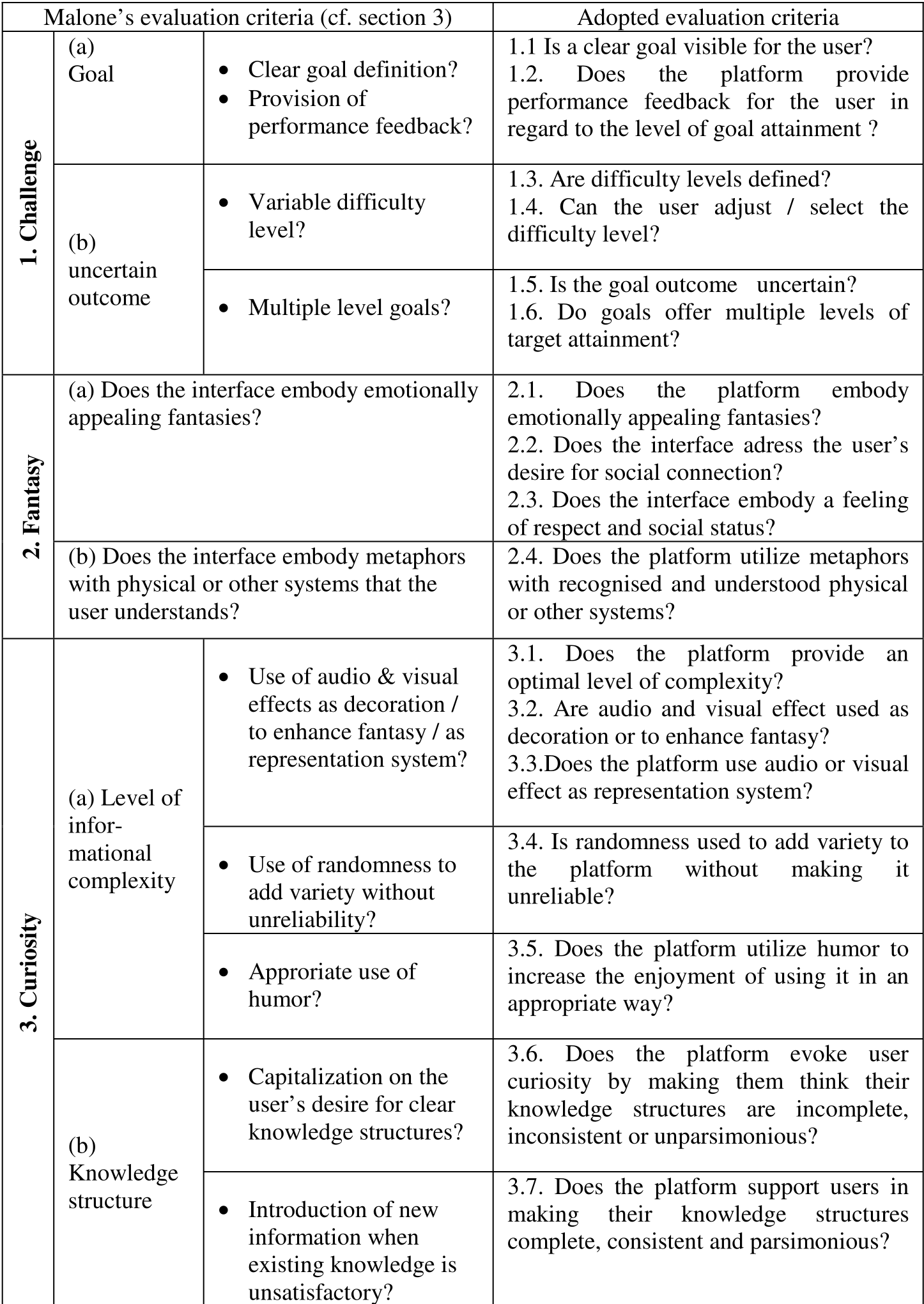
The researchers revisited Thomas Malone’s seminal 1980s work on why computer games are captivating. They broke down the "Enrichment" of an interface into three pillars:
- Challenge: Clear goals, uncertain outcomes, and performance feedback.
- Fantasy: Emotional appeal and metaphors that resonate with the user.
- Curiosity: Complexity that is "just right"—neither boring nor overwhelming.
Using a Participatory Heuristic Evaluation, they had usability experts and domain professionals test three leading platforms: InnoCentive (R&D), Atizo (Ideas), and IdeaStorm (Community Product Ideas).
Key Performance Insights: Where Platforms Fail
The study discovered a massive disparity between what makes a system "functional" vs. "motivating."
What They Got Right:
- Goal Clarity: Users generally know what they are supposed to do.
- Social Connection: Integration with LinkedIn and Facebook is standard, successfully tapping into the user's desire for social status and professional networking.
The Critical Failures:
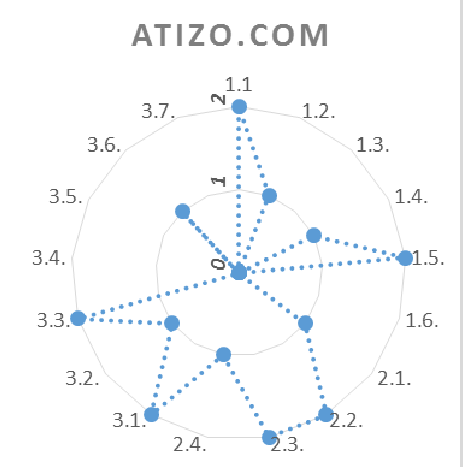
- The Feedback Vacuum: None of the tools offered systematic performance feedback on "how well" a user was doing during the process.
- Lack of Fantasy: Most interfaces are "dry." There is no use of metaphors or emotionally appealing imagery. Contribution feels like filling out a tax form.
- Zero Humor or Randomness: The platforms are strictly utilitarian, missing out on the "delight" factor that keeps users coming back to non-work environments.
Deep Insight: Beyond Gamification "Light"
Many platforms think adding a "Badge" is gamification. This paper argues that true gamification is deeper.
InnoCentive performed best because it attempted to manage Knowledge Structures—suggesting teams to users who were "stuck," thereby managing the "Curiosity" and "Challenge" levels dynamically. This suggests that the future of Crowdsourcing lies in adaptive UIs that understand the user’s cognitive state and adjust the difficulty or social support accordingly.
Conclusion & Future Look
Organizations must stop viewing Crowdsourcing platforms as simple portals. To foster innovation, the UI must become a "playground for the mind."
The next generation of platforms should integrate:
- Metaphorical Environments: Moving away from lists and forms toward "Innovation Rooms" or "Scientific Quests."
- Real-time Feedback: Providing dopamine hits not just for winning, but for the act of participating.
- Managed Randomness: Using AI to surface unexpected challenges that pique curiosity.
The path to Open Innovation is paved with more than just prizes; it requires a fundamental shift in how we design the Human-Computer Interaction to respect the user's psychological needs.