
Decolonizing the Desktop: How HCI Strengthens the Culture of the Nasa Indigenous Community
Human-Computer Interaction as an Instrument for Strengthening Culture and Language of a Colombian Native Community
The paper introduces a cultural-centric HCI framework designed for the Nasa indigenous community in Colombia to revitalize the Nasa Yuwe language and cultural traditions. It presents three specific tools—Çut pwese'je (the maize game), Çxuga pwese'je (the spinning top game), and a community-oriented global interface—that move beyond simple translation to integrate local symbols, social structures, and worldviews.
TL;DR
Technology is never neutral; it often carries the cultural DNA of its creators. This paper explores a collaborative project with the Nasa people of Colombia to design computer tools that don't just "translate" Western software, but instead reshape the digital experience to fit indigenous worldviews. By replacing the "Office Desktop" metaphor with local concepts like the "Hearth," researchers are using HCI to revitalize a language in danger of extinction.
The Motivation: Technology as a Cultural Disruptor
When Western word processors were introduced in Japan, they inadvertently modified the Japanese writing system by introducing unfamiliar concepts. For the Nasa community—an Andean indigenous group of about 150,000 people—the risk is even higher. Their mother tongue, Nasa Yuwe, is an oral-tradition language that only recently adopted a 69-grapheme written alphabet.
The authors argue that standard "internationalization" is insufficient. Simply translating a menu into Nasa Yuwe doesn't help if the user doesn't understand why there is a "trash bin" or a "folder" on their screen—concepts that make no sense in a rural, agricultural Andean context.
Methodology: Mining Culture for Code
The researchers moved "below the surface" of the cultural iceberg, utilizing a Cultural Model to inform every design choice across three primary tools:
- Çut pwese’je (The Maize Game): A "hangman-style" game where the stimulus is a field of maize—the staple of the Nasa diet.
- Çxuga pwese’je (The Spinning Top Game): A competitive local game adapted into a digital tool for learning arithmetic in Nasa Yuwe.
- The Global Interface: A complete replacement for the Desktop Metaphor based on the Sugar Learning Environment.
The Hearth Metaphor vs. The Desktop
The most radical shift was moving away from the "Office" environment. In the Nasa culture, the Tulpa (three-stones hearth) is the center of social life.
- Space: The interface uses the Tulpa (family circle) and the Resguardo (community land) as spatial levels for interaction.
- Symbols: The Rhombus (representing their worldview) and the Spiral (representing life development) are used as layout structures for the UI and keyboard.
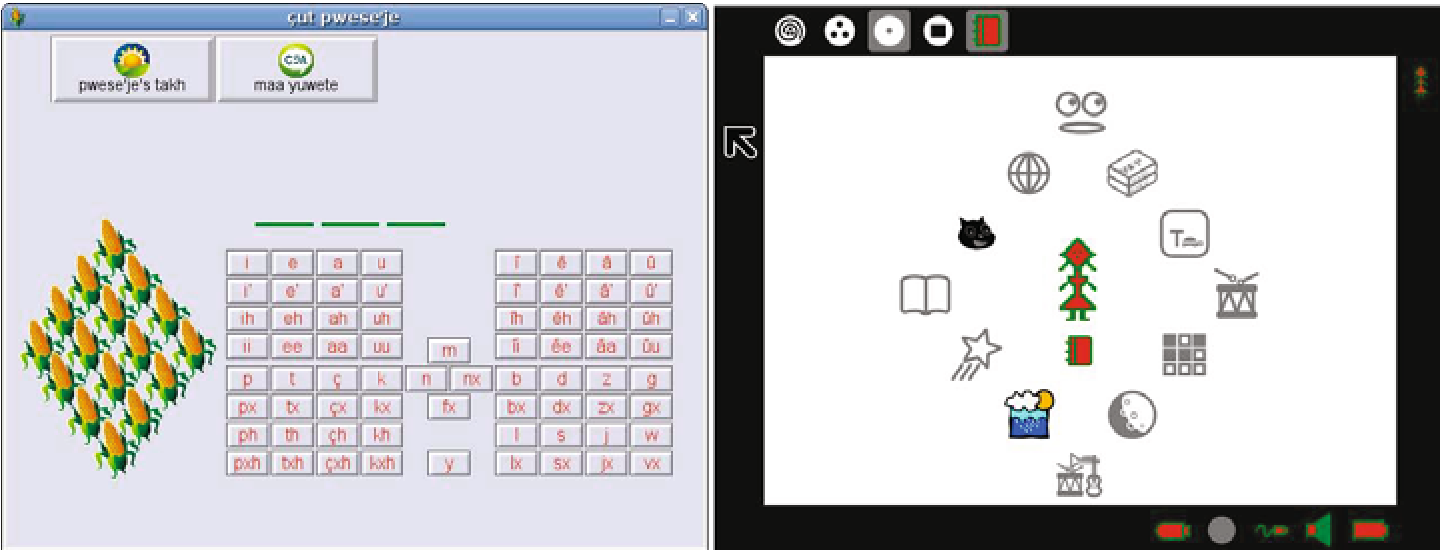 Figure 1: Collective design sessions and the integration of the Rhombus symbol.
Key Insights: Why "Thinking Aloud" Failed
The project yielded several profound insights into how Western research methodologies clash with indigenous realities:
- The Power of the Collective: Traditional HCI evaluation relies on "Thinking Aloud"—an individual speaking their thoughts to a researcher. Nasa children found this uncomfortable. However, when the researchers allowed children to evaluate the games in groups, the interaction became vibrant, humorous, and highly productive.
- Resistance to Abstraction: The researchers initially designed a game where maize plants appeared with eyes and noses to be "cute." The children rejected this; they preferred logical realism (e.g., an animal stealing the maize) over Western-style anthropomorphism.
- Non-Linear Time: In many indigenous communities, the "time-on-task" metric (a staple of usability) is irrelevant. The Nasa users did not care about speed; they cared about accuracy and the social experience, leading the designers to remove all time limits from the software.
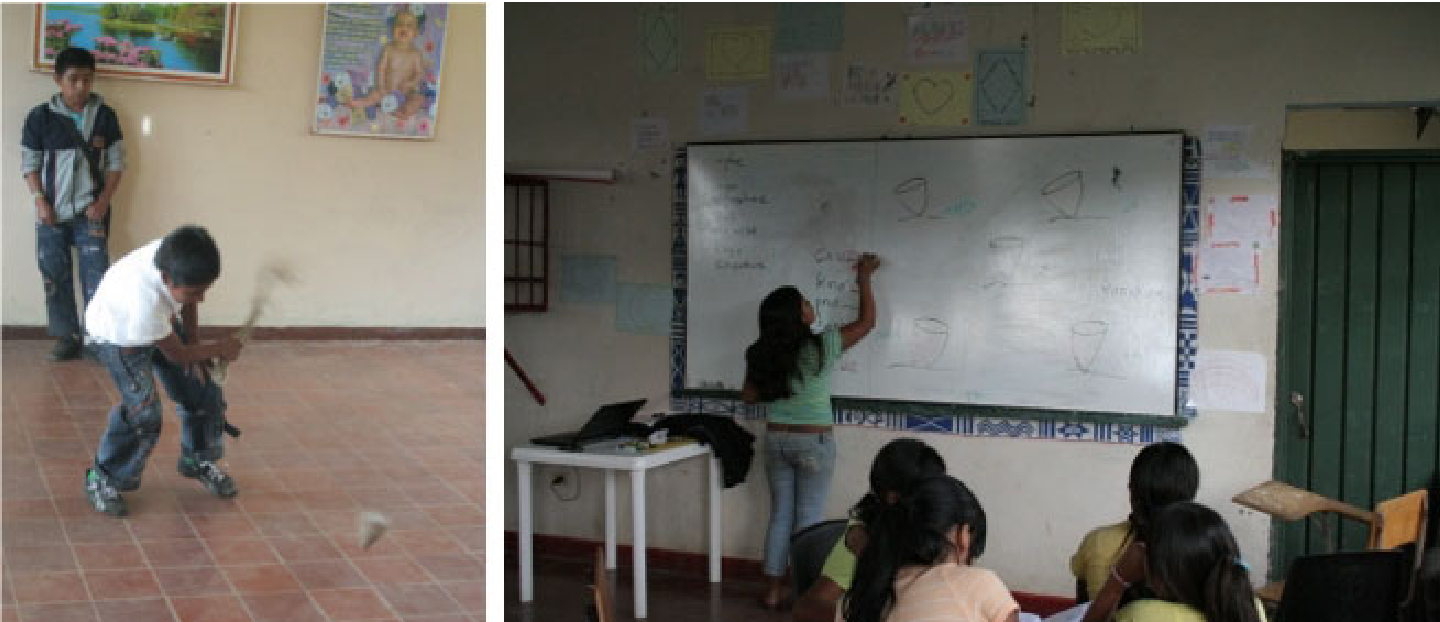 Figure 2: The graphical keyboard layout based on indigenous learning patterns and the Rhombus structure.
Critical Analysis & Conclusion
This work is a landmark in Ethno-computing. It demonstrates that if we want technology to be a tool for preservation rather than assimilation, we must involve the community as co-designers.
Takeaway: The success of the "Spinning Top" and "Maize" games suggests that when technology mirrors a community's social values (collectivism) and physical environment (agriculture), the barrier to entry drops significantly.
Limitation: The paper acknowledges a gap in linguistic research regarding native arithmetic, highlighting that HCI projects in these contexts often hit walls where the language's formal structure is still being documented by the community themselves.
In the future, the lessons learned here in the Andes could serve as a blueprint for the "Ethno-education" of minority groups globally, turning the computer from a "Westernizing" machine into a digital guardian of indigenous heritage.