
Buddy Learning: Bridging the Digital Divide via Digital TV and Second Screens
Human Computer Interaction requirements for an educational toolset using Digital TV infrastructure: Case study
This paper introduces the "Buddy Learning" prototype, an educational toolset that leverages Digital TV (ISDB-Tb) infrastructure to provide interactive second-screen experiences on mobile devices. It specifically targets remote regions with nonexistent or intermittent internet connection by using broadcast data carousels and local servers.
TL;DR
The research addresses a critical paradox: while global tech trends move toward connected "Smart TVs," billions of people in remote regions (like the Amazon) have TV signals but no internet. This paper presents a technical architecture and an educational prototype called Buddy Learning that uses Digital TV signals to push interactive data to mobile phones, creating a "connected" classroom experience in offline environments.
The Motivation: Connectivity as a Luxury
In the Brazilian Amazon, over 90% of households own a TV, and mobile phones are ubiquitous, yet broadband is almost nonexistent. Current Second Screen applications (where you interact with a show via a tablet) assume a robust IP-based backend. The authors argue that students in these regions shouldn't wait decades for fiber optics to experience modern ICT-enhanced learning.
The core insight is to treat the Digital TV broadcast signal as a one-way, high-speed data download channel that populates a local server, which then interacts with students' phones via local Wi-Fi.
Methodology: Broadcast-Driven Interactivity
The proposed solution utilizes the ISDB-Tb (Terrestrial Brazilian Digital Television System) standards. The architecture moves away from the cloud by creating a local "loop":
- Transmission: The broadcaster sends data scripts and web content along with the video signal.
- Reception: A school-based receiver with a "Web Server" and "Data Base" block extracts this data.
- Local Access: Students connect their smartphones to a local Wi-Fi gateway (no external internet needed) to access the stored educational modules.
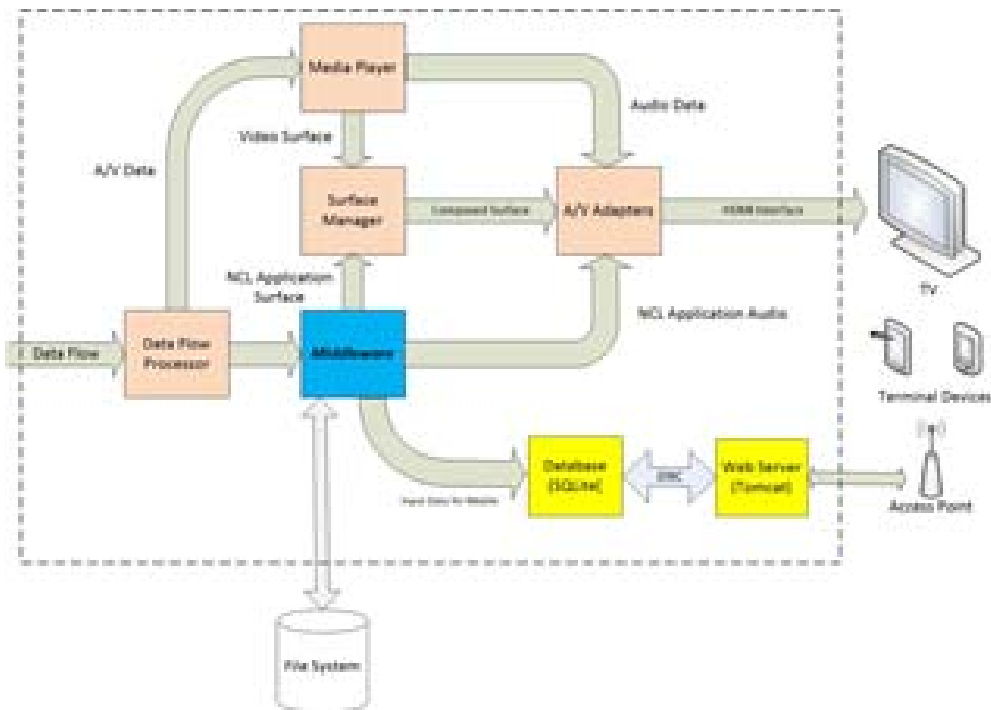 Fig 1: The proposed architecture using Data Base and Web Server blocks within the receiver.
The Buddy Learning prototype organizes content into four ludic modules:
- Learn it!: Core curriculum synchronized with the TV broadcast.
- Explore: Deep dives into the topic.
- Work: Interactive assignments.
- Relax: Gamified elements to maintain engagement.
Experimental Results and HCI Findings
The authors conducted usability tests using a science program from the BBC ("Bang Goes the Theory") as the content base. Participants used smartphones to answer synchronized quizzes while watching the TV broadcast.
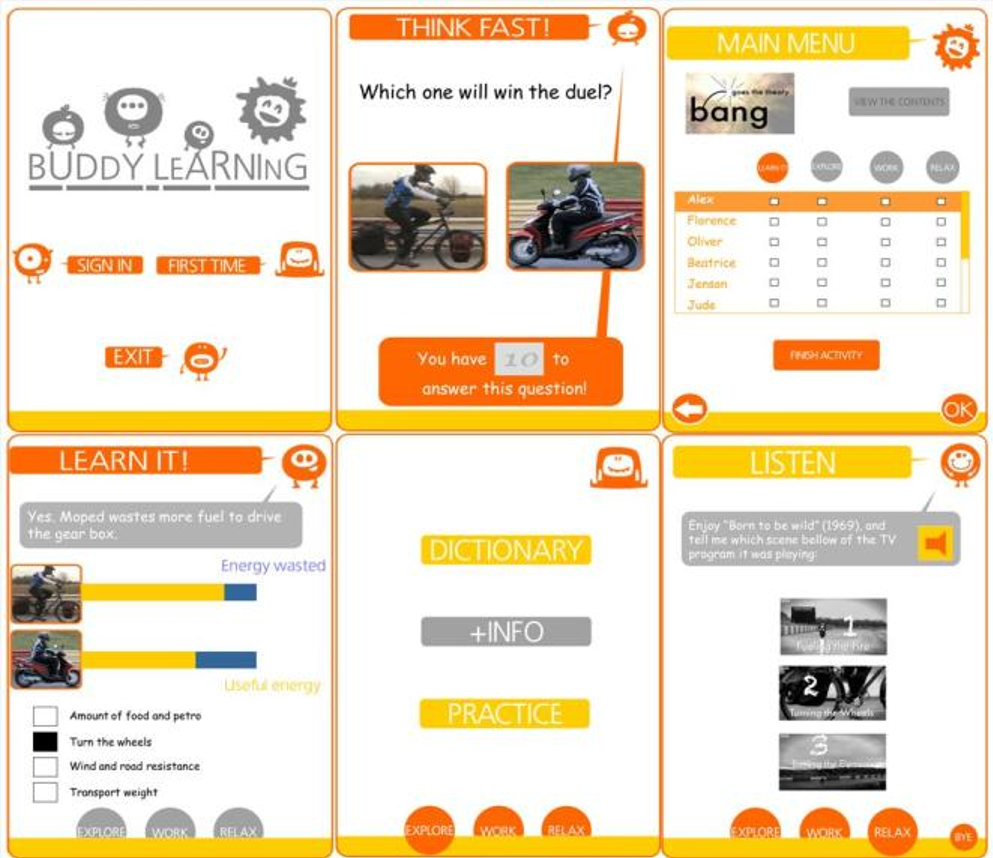 Fig 2: Engineering students participating in the second-screen usability trial.
Key Findings:
- Engagement: Users felt highly motivated by the synchronization between the "main screen" (TV) and their personal device.
- Interaction Design: Sound cues (icons appearing on the TV accompanied by a beep) were essential to alert students to switch their attention to the phone.
- Technical Friction: The primary negative feedback involved "First-time registration" and minor HTML rendering issues—standard software bugs rather than conceptual failures.
| Requirement | Evaluation | Observation |
|---|---|---|
| Ease of Use | Neutral | Issues with screen resizing |
| Engagement | Positive | High interactive appeal |
| Navigation | Neutral | Physical phone orientation matters |
| Enjoyment | Positive | Users found the system fun |
Critical Insight & Conclusion
This paper shifts the focus of "Interactivity" from connectivity to accessibility. By using Ginga-NCL (middleware) and local storage, the researchers successfully decouple the "Smart" experience from the "Internet" requirement.
Limitations: The study was conducted in a lab with UK-based students for the preliminary trial. Real-world conditions in Northern Brazil (high humidity, heat, varying electrical stability) and the pedagogical readiness of local teachers remain to be tested in the "Future Work" phase.
Ultimately, "Buddy Learning" provides a blueprint for using "old" robust infrastructure (TV towers) to serve "new" educational needs, ensuring that the digital gap doesn't widen for the next generation of students in the global south.