
Beyond the Desktop: Empowering Indigenous Culture through Culturally-Aware HCI
8760_Human-Computer Interaction as an Instrument for Strengthening Culture and Language of a Colombian Native Community.
This paper explores the reciprocal relationship between culture and Human-Computer Interaction (HCI) specifically for the Nasa indigenous community in Colombia. It proposes a culturally-situated development framework and presents three educational tools designed to revitalize the "Nasa Yuwe" language and local traditions.
Executive Summary
TL;DR: This research documents a transformative approach to Human-Computer Interaction (HCI) designed for the Nasa indigenous people of Colombia. By discarding the rigid "Desktop Metaphor" and individualistic evaluation methods, the researchers developed educational tools—specifically language-learning games—that mirror the community's agricultural lifestyle, collective social structure, and unique linguistic needs.
Academic Context: This work sits at the intersection of ICT4D (Information and Communication Technologies for Development) and Cultural HCI. It moves beyond SOTA "localization" (mere translation) toward "deep localization," where the software's architecture itself is an expression of the user's cultural identity.
The Problem: The "Cultural Imposition" of Western Tech
Modern software is not neutral. It carries the "Inductive Bias" of its creators—usually Western, urban designers. When the Nasa people, an Andes-based agricultural community, use standard word processors or "Desktop" interfaces, they encounter a "symbolic mismatch."
For example, the concept of a "Trash Bin" or a "Folder" is alien to a rural environment centered on the Tulpa (hearth) and Resguardo (communal land). Prior attempts to simply translate interfaces into the Nasa Yuwe language were unsuccessful because they ignored the deep-seated cultural variables hidden beneath the surface of the "Cultural Iceberg."
Methodology: The Six Dimensions of Nasa HCI
The researchers developed a Cultural Model to move "below the surface." They identified six key pillars that must dictate interface design:
- Language: Integrating the complex "Nasa Yuwe" writing system (32 vowels, 37 consonants) without standard keyboard support.
- Space Structuring: Moving from a "Desktop" to a "Tulpa" (hearth) metaphor to represent social and digital interaction levels.
- Environment: Using agricultural stimuli (maize plants) instead of office supplies.
- Social Organization: Prioritizing Collectivism. The Nasa work and learn in groups; thus, the software must support multiple users simultaneously.
- Notion of Time: Eliminating timers or pressure-based mechanics, respecting a culture that prioritizes quality of thought over speed of task completion.
- Non-verbal Signs: Utilizing symbols like the Rhombus and Spiral to organize layout and navigation.
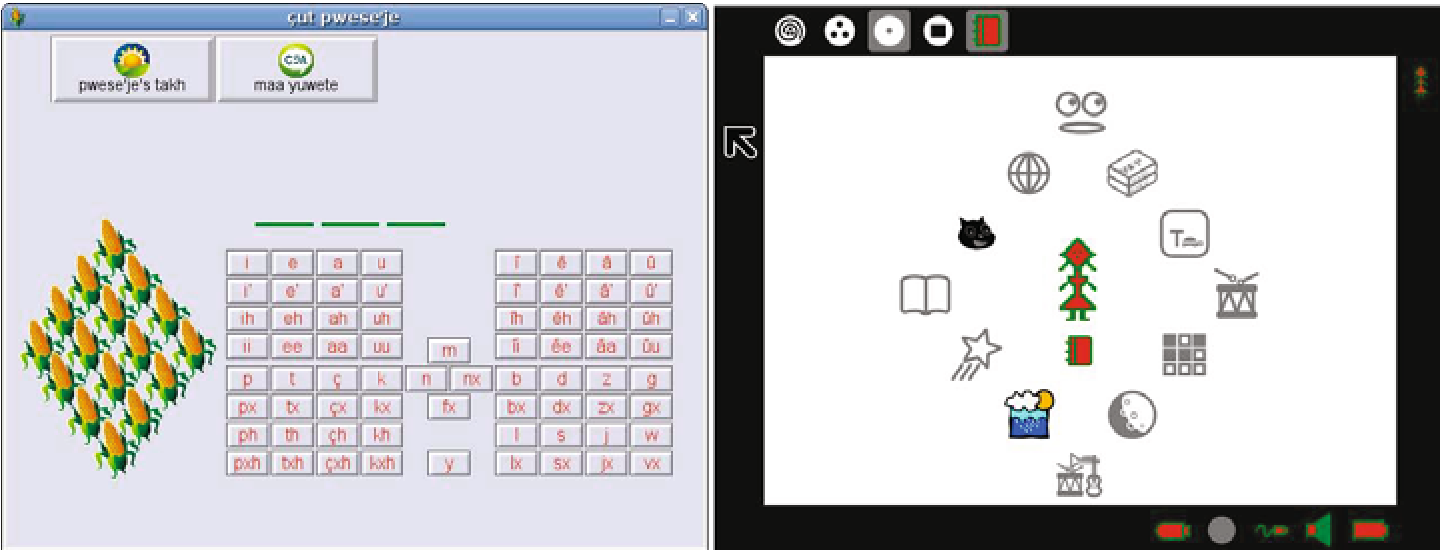 Figure 1: Prototypes demonstrating the rhombus-based layout and native alphabet integration.
Case Study: The Maize and Spinning Top Games
The researchers implemented these insights through two primary tools:
- Çut pwese’je (The Maize Game): A "hangman-style" game where users identify graphemes. Instead of a man being hanged (a violent and alien concept), maize plants pop up or are stolen by animals, reflecting the local diet and ecosystem.
- Çxuga pwese’je (The Spinning Top Game): A competitive game based on phçxukwe çxuga, a local game where children strike wooden tops. This tool transforms a traditional physical activity into a digital platform for learning arithmetic in the native language.
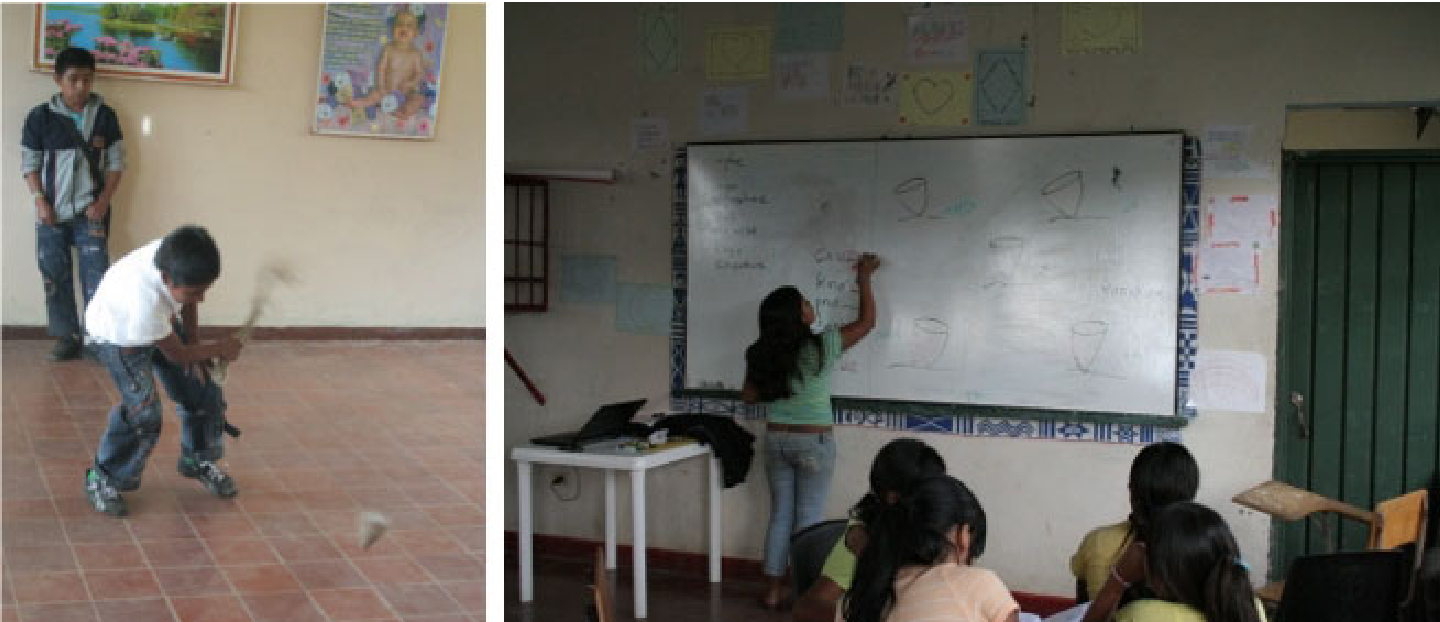 Figure 2: The integration of the Nasa alphabet and symbol-based navigation.
Experimental Results: The Power of the Collective
The most striking "Ablation Study" of their method occurred during user testing. Initial tests using the Western "Thinking Aloud" protocol—where an individual speaks their thoughts while using a computer—failed because Nasa children felt uncomfortable working in isolation.
Key Findings:
- Collective Usage: Performance and engagement spiked when users were allowed to call friends and family to join them. Laughter and collective problem-solving became the primary drivers of interaction.
- Aversion to Abstraction: Users rejected abstract "personified" plants (plants with eyes/noses) as they were inconsistent with their worldview. Realistic agricultural metaphors were preferred.
- Inspiration for Hardware: The design was so resonant that elders (Mayores) suggested building physical keyboards specifically mapped to the Nasa layout.
Deep Insight: Technology as a Cultural Safeguard
This paper's core contribution is the realization that HCI is an instrument of power. Unchecked, it accelerates the extinction of minority languages. However, when designed with a "Semiotic Engineering" mindset—where the developer speaks the user's cultural "language"—technology can serve as a shield.
By embedding the Nasa Yuwe alphabet and communal values into the digital environment, the researchers helped remove the "social stigma" associated with native traditions. Future work should look at how these local networked "Tulpas" can evolve into community-wide infrastructures that maintain cultural autonomy in the digital age.