
Decoding the Regional Economic Genome: A Hybrid Network Approach
Applying an hybrid Input-Output Model and Network Analysis to Regional Economies
The paper introduces e-DNA™, a hybrid economic analysis framework that combines traditional Input-Output (I/O) models with Social Network Analysis (SNA). Applied to the Greater Pittsburgh area, it identifies key industrial "anchors" using network metrics like Authority Weight to guide regional economic development.
TL;DR
This study presents e-DNA™, a methodology that merges Input-Output (I/O) models with Social Network Analysis (SNA) to map the structural "nervous system" of regional economies. By analyzing the Greater Pittsburgh area, the authors prove that traditional metrics like "number of employees" often mask the true drivers of economic vitality, which are better identified through network Authority Weights.
Problem: The Blind Spots of Traditional Economic Metrics
Economic development organizations (EDOs) often rely on Location Quotient (LQ) or Shift-Share analysis. While these tell us what industries are present and how many people they employ, they are "black boxes" regarding interconnectivity.
The decline of the steel industry in Pittsburgh serves as a cautionary tale: the lack of structural agility made the regional shock last decades. To prevent this, planners need to understand inter-sectoral linkages—how one dollar in "Snack Food Manufacturing" Ripples through "Wholesale Trade" and "Transportation" differently than a dollar in "Healthcare."
Methodology: From Matrices to Networks
The researchers transformed the IMPLAN I/O table into a directed graph.
- Nodes: Industries identified by 6-digit NAICS codes (highly granular).
- Edges: Type I output multipliers (representing direct and indirect effects of a $1 change in demand).
- Metric of Choice: Authority Weight. Unlike simple degree centrality, Authority Weight recognizes a node's importance based on its connection to other "hubs" (sectors that are themselves influential).
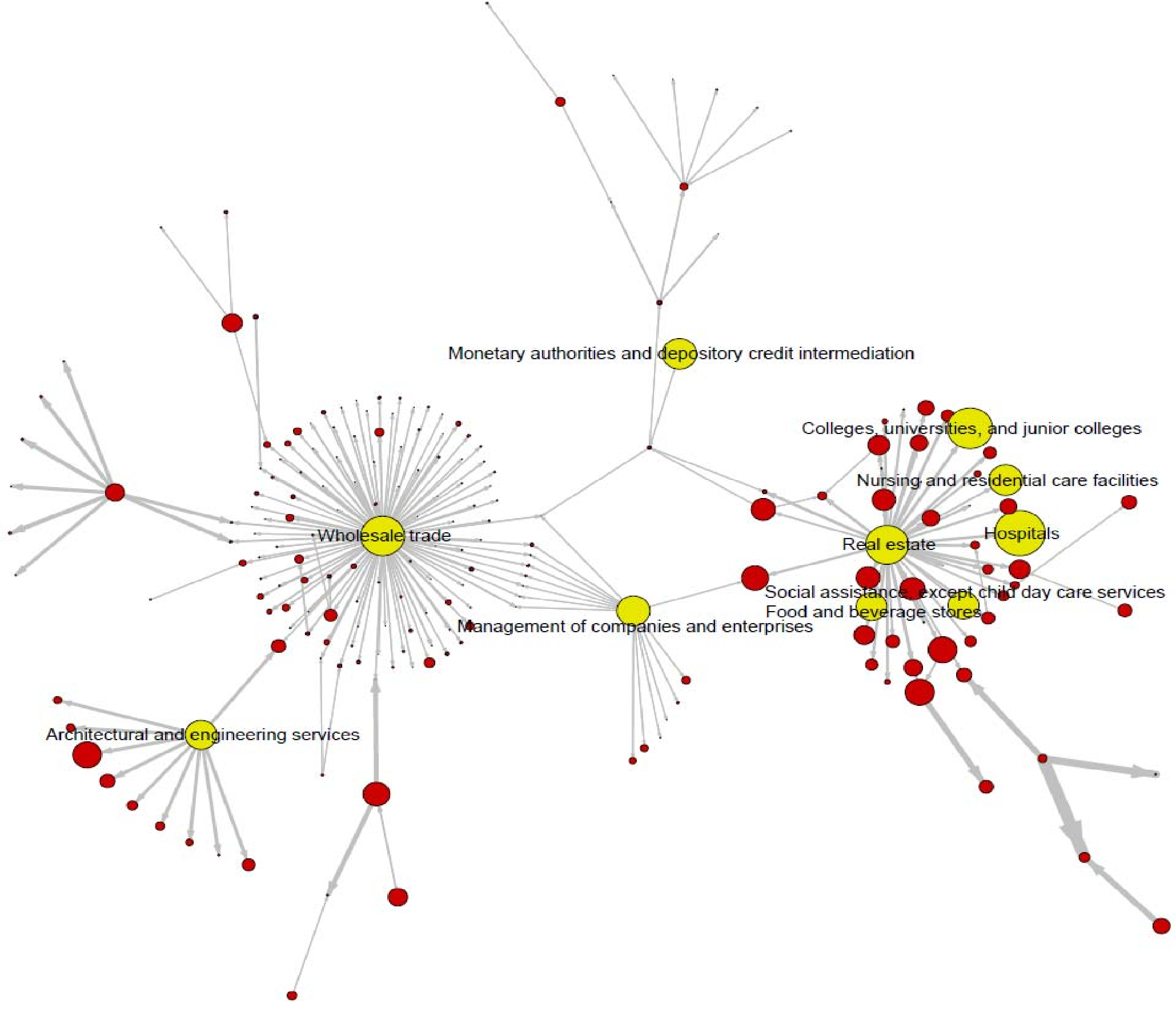 Figure 1: The core economic landscape of Allegheny County. Note how the thickness of edges (multipliers) defines the strength of structural bonds.
Key Insights: Debunking the "Eds and Meds" Myth
In Pittsburgh, it is a common belief that Hospitals and Universities are the sole pillars of the modern economy. However, the e-DNA™ analysis tells a different story:
- Low Linkage in Service Giants: While Hospitals are the largest employers, their "footprint" (edges) in the transaction network is limited. They consume fewer local intermediate goods compared to manufacturing.
- The Power of Wholesale and Niche Manufacturing: "Wholesale Trade" ranked #1 in Authority Weight. Surprisingly, food-related manufacturing (e.g., snack foods and wineries) showed higher systemic influence than many larger sectors, as they are deeply embedded in local supply chains.
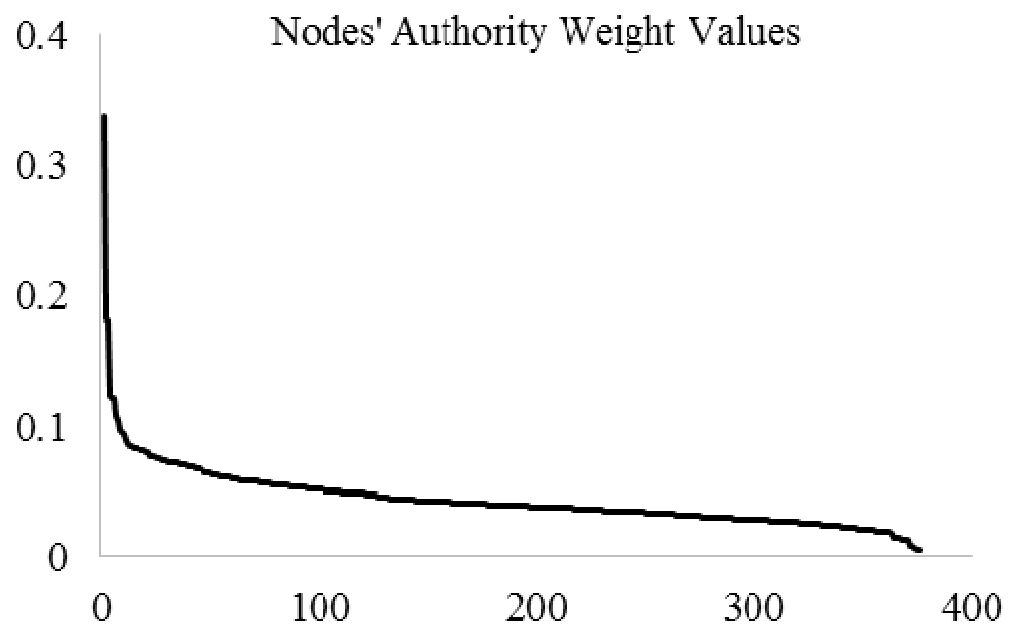 Figure 2: The "Power Law" distribution of economic influence. Only a handful of industries act as true systemic anchors.
Experimental Results & Strategic Value
The study highlights that high-impact NAICS codes (see Table 2 in the paper) should be the primary targets for retention and attraction programs.
- Strategic Allocation: EDOs can get a bigger "bang for the buck" by subsidizing a high-authority manufacturing firm that supports a wide web of local suppliers, rather than a large employer that operates in an isolated "silo."
- Visual Intuition: By "zooming in" on specific clusters (like Food Manufacturing), planners can identify exact bottlenecks or dependencies.
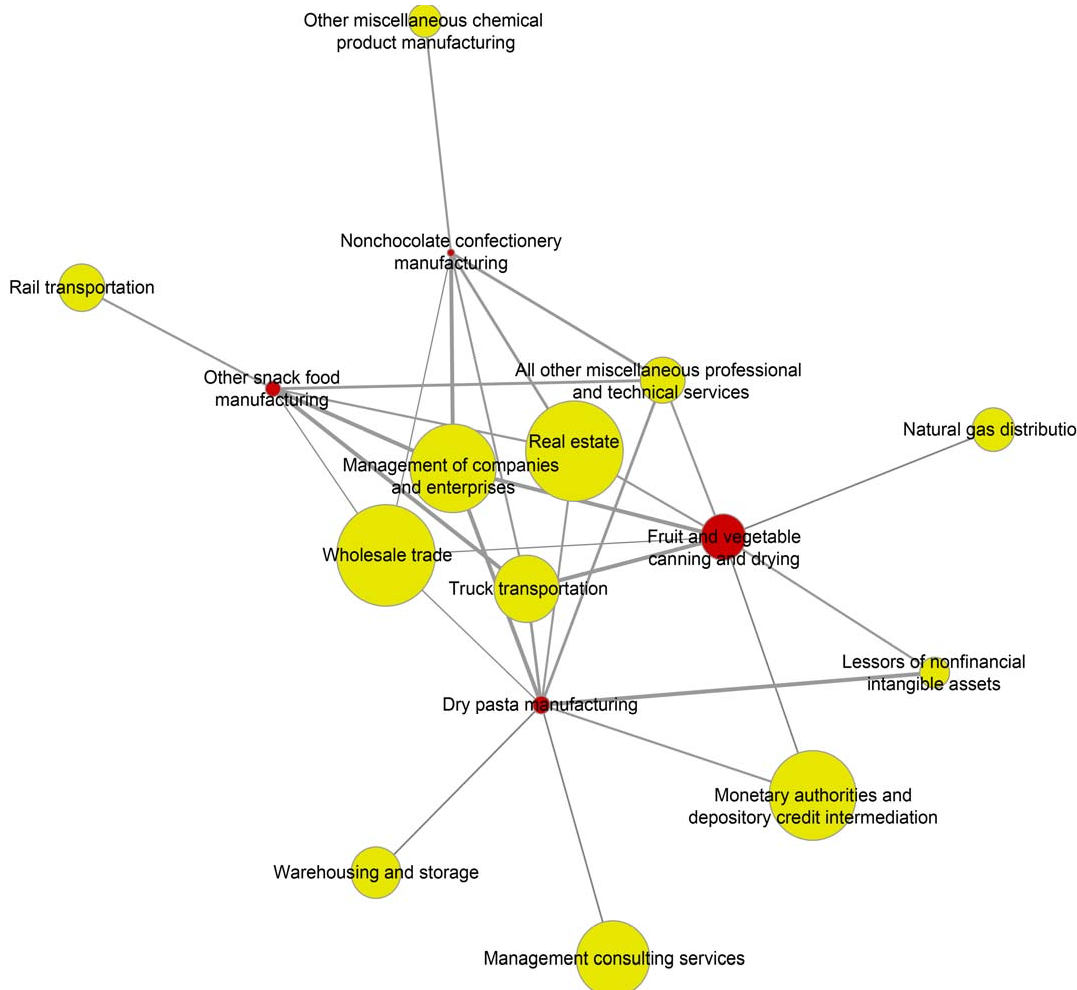 Figure 3: Deep dive into the food-related NAICS codes, showing how specialized manufacturing is embedded within the broader regional network.
Conclusion and Future Outlook
The e-DNA™ approach moves economic development from a "reactive" stance to a "structural" one. By treating the economy as a network, we can identify which sectors are the true multipliers of wealth and stability.
Limitations: The model currently uses static I/O data. Future iterations could benefit from dynamic, real-time transaction data to monitor how economic shocks (like a pandemic or a trade war) propagate through these specific nodes in real-time.