
Beyond Epidemics: How Trust and Game Theory Drive Information Flow in Social Networks
Information propagation model based on hybrid social factors of opportunity, trust and motivation
The paper introduces GCIP-PageRank, a novel information propagation model for social networks integrating three hybrid social factors: Opportunity, Social Trust, and Game Choice Motivation. It leverages interest similarity, network influence, and content contribution within an evolutionary game theory framework to predict how messages spread.
TL;DR
Information propagation is often modeled like a virus (the SIR model), but humans aren't passive biological hosts—we are rational actors. This paper proposes the GCIP-PageRank model, which treats information spreading as a game. By combining Opportunity (interest similarity), Social Trust (influence + contribution), and Motivation (benefit maximization), the authors can predict social media cascades with much higher precision (F1 up to 0.869) than traditional models.
The Problem: The "Passive Host" Fallacy
Most prior works in social network analysis view information diffusion through the lens of epidemic spreading. While useful for modeling scale, these models ignore the psychological and sociological drivers of microblogging. Why does a user retweet one post but ignore another?
- Prior Work Limitation: Traditional SI/SIR models focus on topology but ignore content relevance and user trust.
- The Insight: Propagation is a three-stage evolution: Contact -> Trust -> Propagation. To model it accurately, we must factor in the "payoff" a user gains from being a disseminator.
Methodology: The Trinity of Social Factors
The authors propose a hybrid model built on three pillars, rooted in the Triadic Closure principle:
1. Opportunity (The "Can I?")
Determined by interest similarity. If user A and user B share technical interests, user B has a higher "Opportunity" to receive A’s message. This is quantified using an improved Tanimoto coefficient on interest Boolean vectors.
2. Social Trust (The "Should I?")
Trust isn't just about how many followers you have (In-degree). The authors define it as a coupling of:
- Network Influence (NOL): Your position in the graph.
- Content Contribution (CC): Your history of providing value (shares, comments, and "praises" received).
3. Game Choice Motivation (The "What's in it for me?")
Once a user has the opportunity and trusts the source, they enter a "Game." Using Evolutionary Game Theory, the model assumes users choose to share information only if it maximizes their benefit.
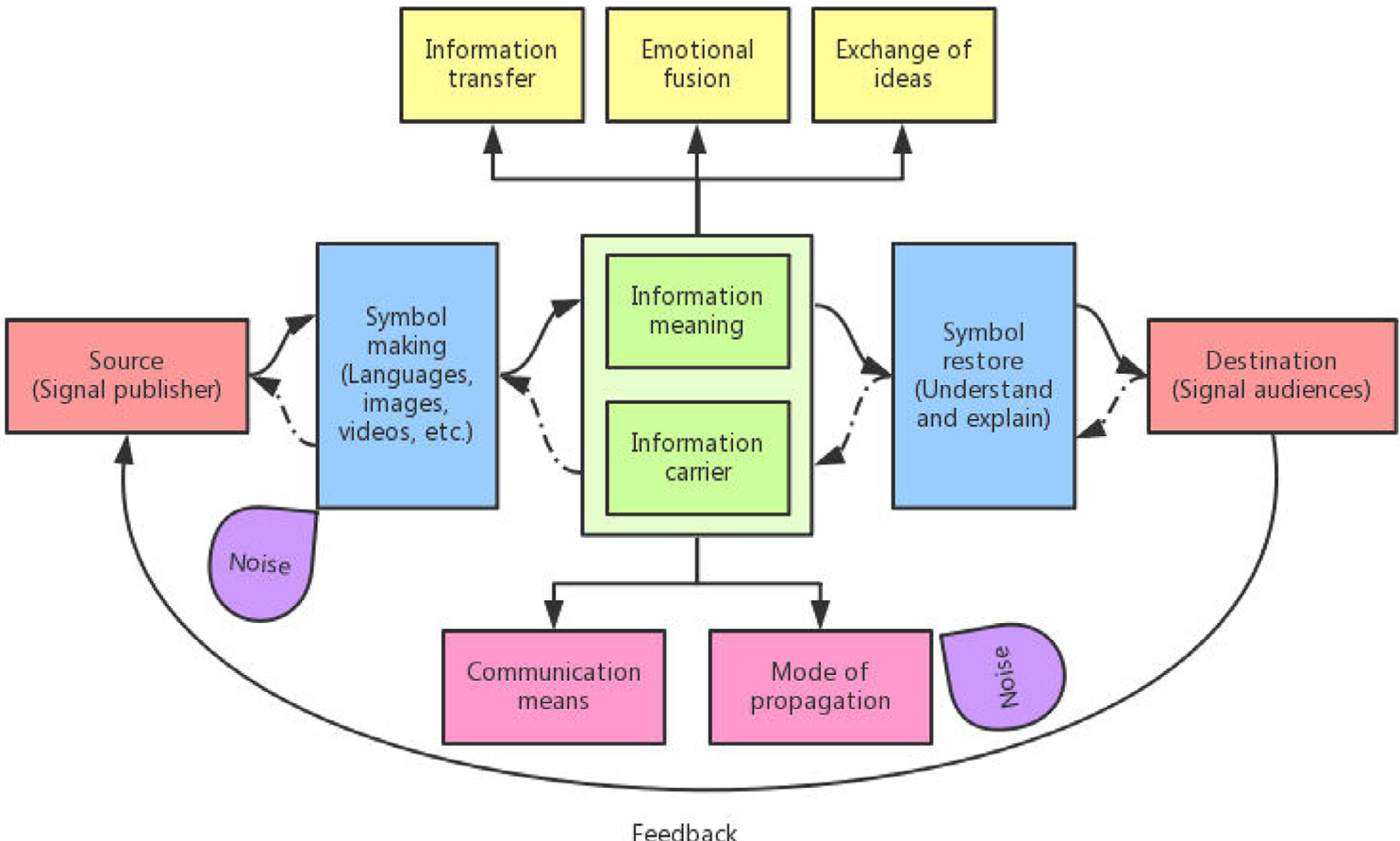 Fig 1: Schematic of the microblog social network showing associations between neighbors and the potential for a "Game Choice" at node u.
The Engine: GCIP-PageRank
The "Game" is solved by a modified PageRank algorithm. Instead of equal transition probabilities, the "initial probability distribution" is weighted by the social trust and opportunity scores. The steady-state vector tells us which node is most likely to "win" the propagation choice.
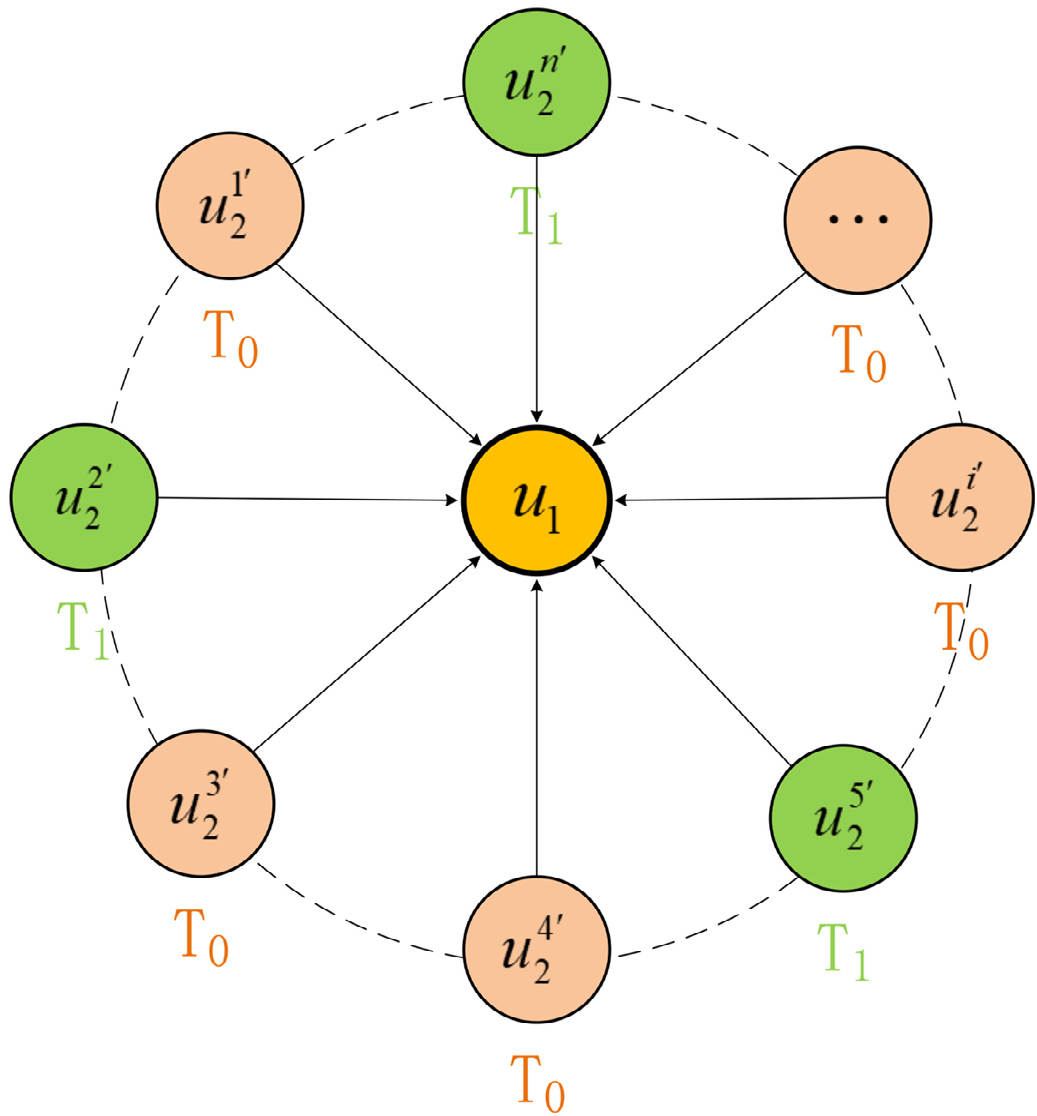 Fig 2: The GCIP-PageRank process, where the maximum value in the steady-state probability vector identifies the next information receiver.
Experimental Proof: Real-World Hot Events
The researchers crawled real-world Sina Weibo data, including events like the "THAAD incident."
- Performance: The GCIP-PageRank model consistently outperformed baseline methods (Continuous Time and basic Game Theory models).
- AHP Weighting: Using the Analytic Hierarchy Process, they found that "Sharing Rate" (α1) and "Content Contribution" (η2) were the most critical factors in a model's success.
- S-Curve Propagation: The results confirmed that information spreads in a classic S-curve, but Trust acts as the "catalyst" that accelerates the initial slow contact phase into a rapid explosion.
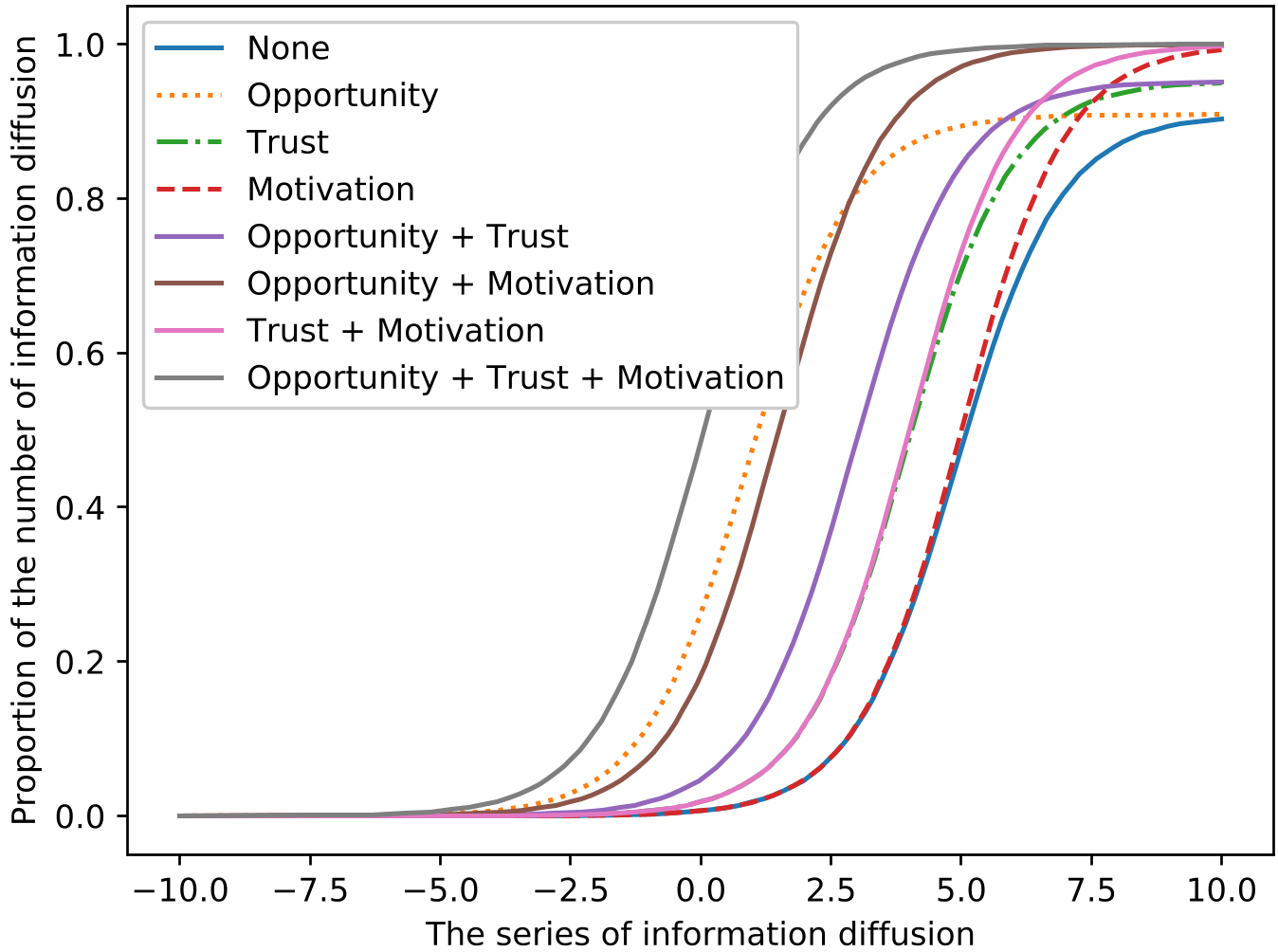 Fig 3: Propagation ratios comparing different social factors—note how the combination of Trust and Opportunity creates the steepest growth.
Critical Analysis & Conclusion
Takeaway
The paper successfully bridges the gap between mathematical graph theory and social psychology. By proving that social trust accelerates the spread, it provides a roadmap for "regulating public opinion" (e.g., identifying when a niche topic is about to go viral based on the trust metrics of its early adopters).
Limitations
- Cultural Specificity: The model was tested primarily on Sina Weibo. While highly effective for broadcast-style media (like Twitter/X), its applicability to "closed" networks like WeChat or WhatsApp (where Triadic Closure might behave differently) remains to be seen.
- Real-time Computation: Iterative PageRank-style calculation on millions of nodes during a live "hot event" requires massive computational resources.
Future Outlook
This work opens the door for Trust-aware AI Moderators that can predict not just if a post will go viral, but who are the key "game-changers" in the network that will drive that virality.