
ICT: The Double-Edged Sword of the Low-Carbon Economy
8524_The Role of ICT in a Low Carbon Society.
This paper explores the dual role of Information and Communication Technology (ICT) in a low-carbon society, identifying it as both a contributor to global emissions and a critical "enabling technology." It highlights how ICT-based solutions can potentially reduce global greenhouse gas (GHG) emissions by 15% by 2020 through cross-sector optimization.
TL;DR
While the Information and Communication Technology (ICT) sector is a visible consumer of energy, its true power lies in its role as an enabling technology. This paper argues that ICT can reduce global emissions by 15% through process optimization and dematerialization, provided we manage the "rebound effect" and adopt "Green IT" principles to keep the sector's own footprint in check.
Background: The Sustainability Triad
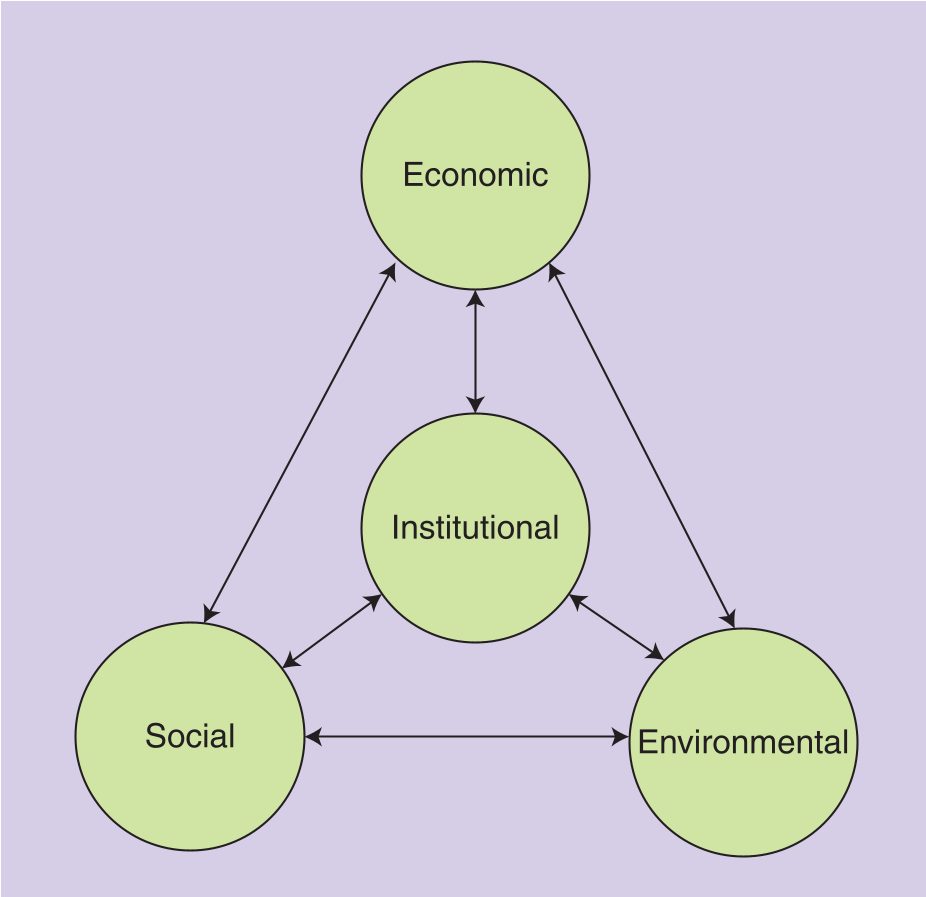
In the quest for a Low Carbon Society, the paper anchors its analysis in the classic Brundtland definition of sustainable development. The goal is to balance three critical dimensions: Environmental, Social, and Economic. The central tension is maintaining economic growth without exhausting the planet's finite capacity to absorb greenhouse gases (GHG).
Problem & Motivation: The Efficiency Paradox
Why hasn't technology already solved climate change? The authors point to a fundamental issue: Global emissions increased by 31% between 1990 and 2010, even as individual technologies became more efficient.
The motivation for this study is to move beyond seeing ICT as a mere polluter (responsible for 2% of emissions) and instead analyze its potential to facilitate a 15% reduction in other high-carbon sectors like logistics, building management, and manufacturing.
Methodology: The Enabling Power of ICT
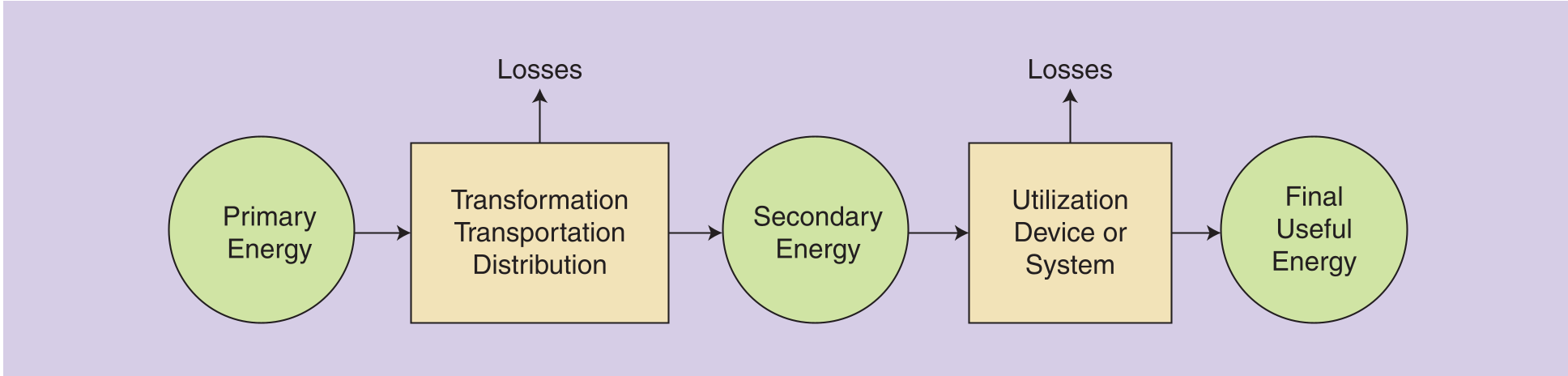
The authors breakdown energy usage into three stages:
- Primary Energy: Natural resources (oil, sunlight).
- Secondary Energy: Transformed energy (electricity).
- Tertiary Energy: The actual service provided (light, heat, data).
ICT's role is to minimize losses at every transformation point through two mechanisms:
- Optimization: Improving the visibility and management of energy-intensive processes.
- Dematerialization: Replacing high-carbon physical products with "virtual" almost carbon-free alternatives (e.g., cloud computing, digital media).
The Rebound Effect: A Critical Insight
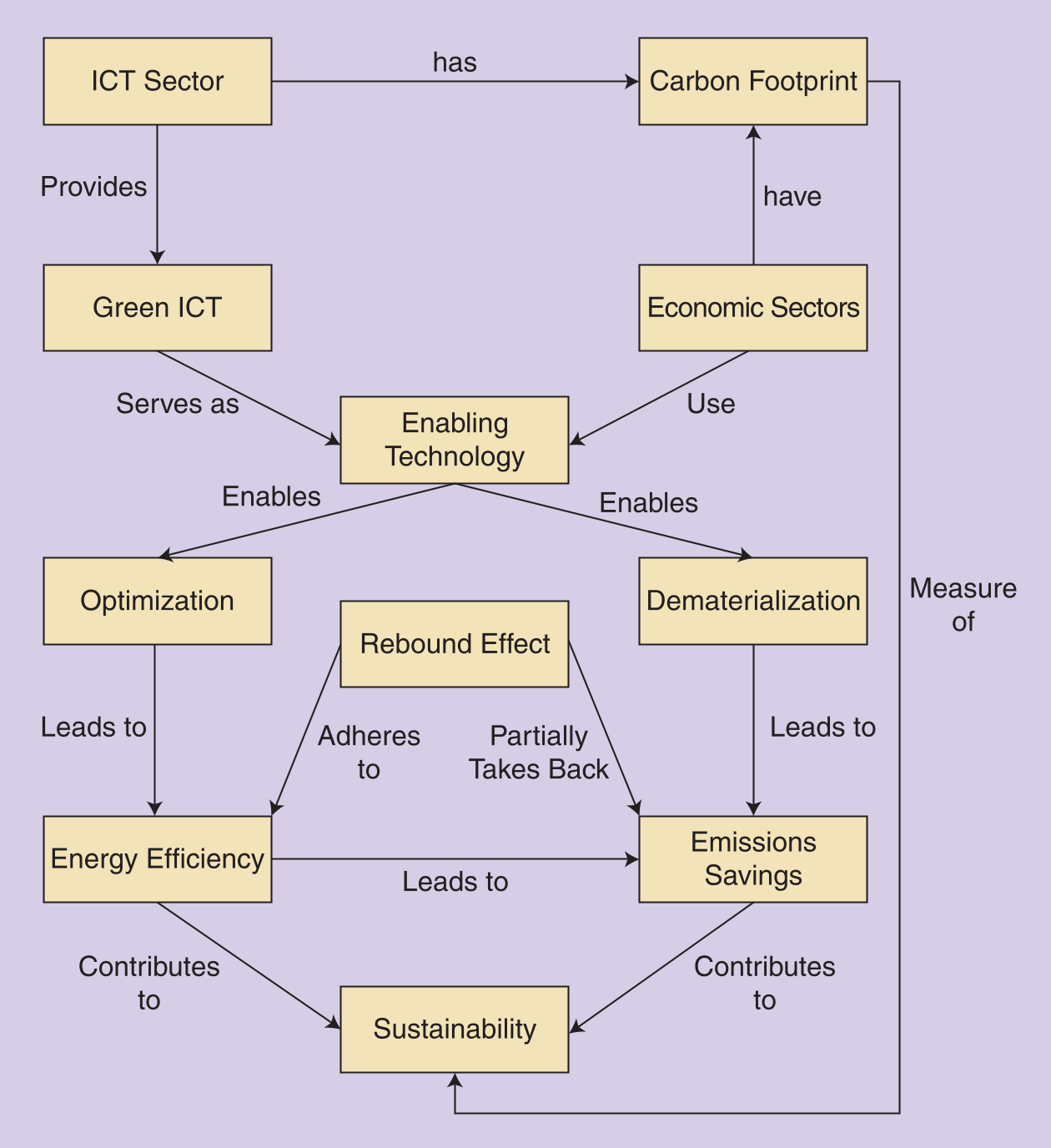
The paper provides a sophisticated analysis of why "Efficiency" doesn't always equal "Savings." The Rebound Effect suggests that as ICT makes a service cheaper or faster, demand for that service (or others) increases, clawing back the carbon savings. Categories include:
- Direct Rebound: Lower prices lead to higher consumption.
- Indirect Rebound: Savings on one service are spent on high-carbon activities like air travel.
- Transformational: Shifts in consumer preferences that are hard to predict.
Results & Strategic Framework
The paper synthesizes the relationship between ICT and environmental benefits through a comprehensive flowchart. It concludes that while the ICT footprint is growing, the potential for Green IT (virtualization, thin clients, cloud optimization) can mitigate this growth.
Key Findings:
- The rebound effect is estimated to be less than 30% in most macro-economic scenarios, meaning ICT remains a net positive.
- ICT can deliver over $1 trillion in savings to global businesses while reducing GHGs.
Critical Analysis & Conclusion
Takeaway
The core contribution of this work is the shift in perspective from "ICT as a problem" to "ICT as the solution." By focusing on the visibility and management of energy, digital systems act as a nervous system for a low-carbon society.
Limitations
The paper acknowledges that reliance on energy efficiency is a short-term instrument. In the long run, productivity gains will likely be outpaced by total demand growth. Therefore, ICT must be paired with carbon-free energy sources (renewables) to achieve permanent reductions.
Future Outlook
The implementation of "Green IT" is no longer optional. As AI and big data increase the demand for data centers, the industry must prioritize energy-efficient hardware and software design to ensure that the "Enabling Effect" stays significantly larger than the sector's own carbon footprint.