
Semantic Crowdsourcing: Turning SEO into a Tool for Universal Accessibility
Improving Accessibility through Semantic Crowdsourcing
The paper proposes an extension of the schema.org ontology to incorporate accessibility metadata for physical locations. By leveraging Semantic Crowdsourcing, it aims to motivate place owners and the general public to contribute accessibility data, moving beyond niche applications to a mainstream SEO-driven model.
TL;DR
This research addresses the "participation desert" in accessibility apps by proposing an extension to schema.org. By embedding accessibility metadata (like ramp availability and restroom types) directly into website code, the authors transform accessibility reporting from a niche chore into a standard SEO practice that benefits business owners and Persons with Disabilities (PwD) alike.
The Problem: The "Altruism Gap" in Crowdsourcing
Mapping the world's accessibility is a monumental task. While apps like Wheelmap and AccessNow have made strides, they suffer from two fatal flaws:
- Data Fragmentation: Information is locked in "silos" with different APIs and schemas.
- Low Motivation: Only those directly affected by mobility issues tend to contribute.
The result? In the UK alone, only 1.56% of places on Wheelmap have an accessibility rating. To fix this, we need to change who provides the data and why.
Methodology: High-Latitude Semantic Markup
The authors propose moving the responsibility of data entry from the "visitor" to the "owner" by extending the world's most popular structured data vocabulary: schema.org.
1. Extending the Place Class
Schema.org is already used by hundreds of thousands of domains to help search engines understand what a "Place" is (address, phone, hours). The authors propose a new Accessibility class with properties such as:
- parkingType: BlueBadge or NoBlueBadge.
- entrywayType: NoRamp, TightRamp, or WideRamp.
- interiorRoutes: LevelAccess, LiftAccess, etc.
2. The Incentive Loop
Why would a restaurant owner take the time to tag their ramp width? Search Rankings. Search engines like Google prioritize pages with rich snippets. By providing structured accessibility data, a business is more likely to appear in specific "accessible" searches, driving more traffic and profit.
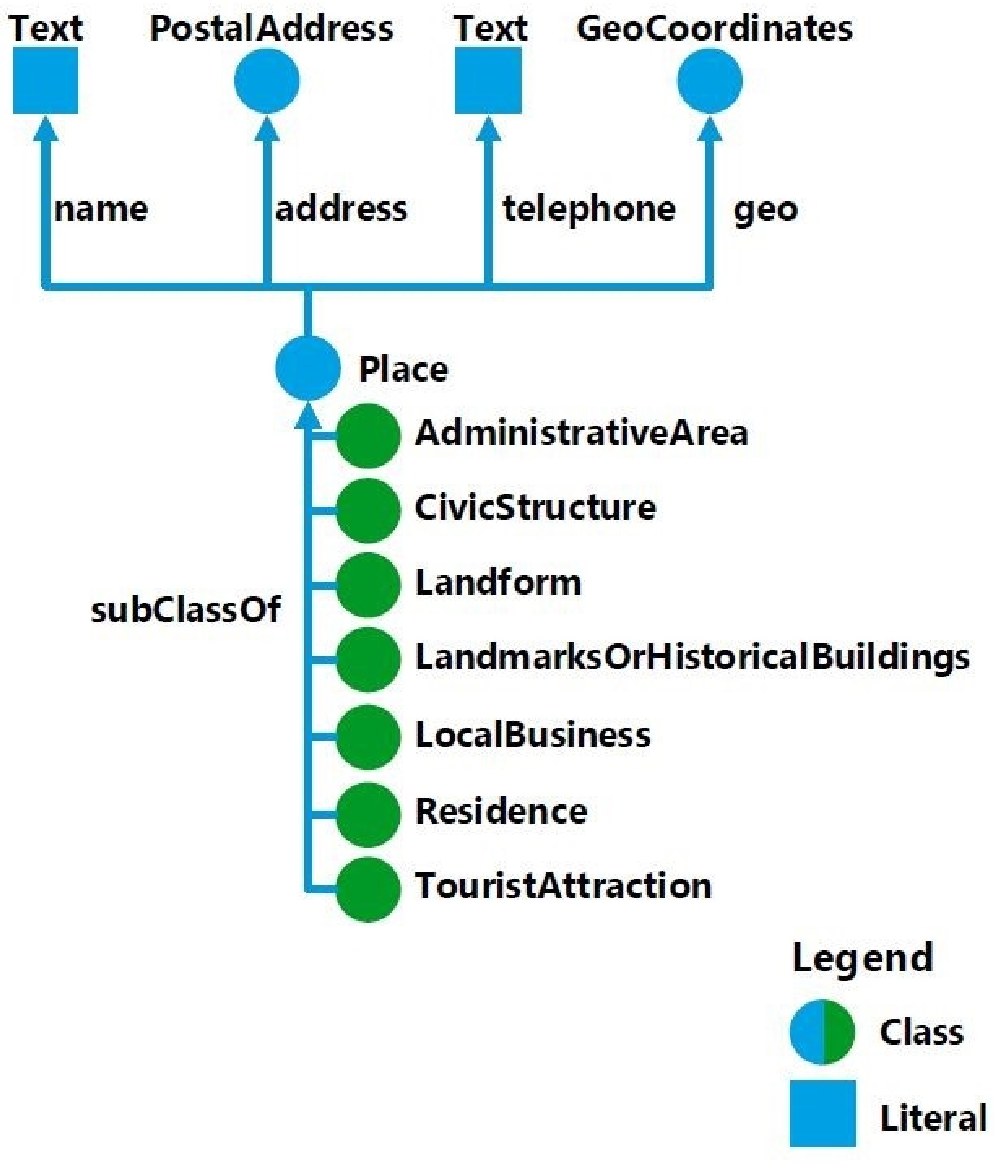 Figure 1: The standard 'Place' entity structure which the authors aim to extend.
The Overall Architecture: Scrape, Parse, Serve
The proposed system doesn't just rely on manual entry. It envision a three-pillar backend:
- Web Crawlers: Modified crawlers (e.g., based on Apache Lucene) that automatically detect and index the new accessibility tags from HTML headers.
- Government Open Data: Mapping existing public CSV/JSON datasets into the schema.
- Human Verification: A traditional crowdsourcing layer where users verify if the "official" metadata matches the reality on the ground.
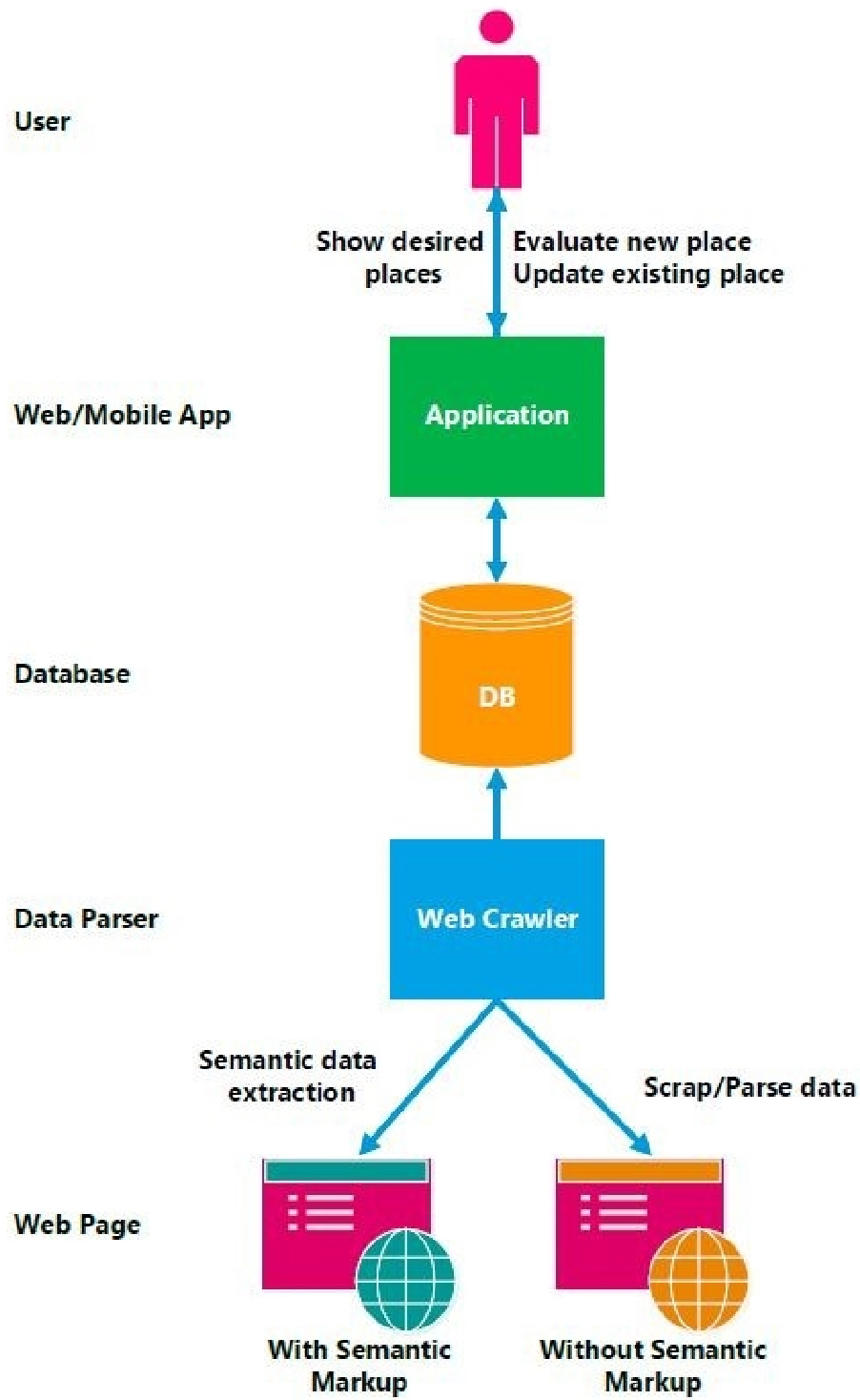 Figure 2: The conceptual flow from web scraping and user input to a unified knowledge model.
Impact: Travel Planning for Everyone
Current travel services (like Google Maps) can tell you how to get from point A to B, but they often fail to account for the "last mile" of accessibility. By integrating this semantic data, engines could support "Profile-Aware Planning," where a route is calculated specifically for a wheelchair user, ensuring every transit stop and destination along the way meets their specific physical requirements.
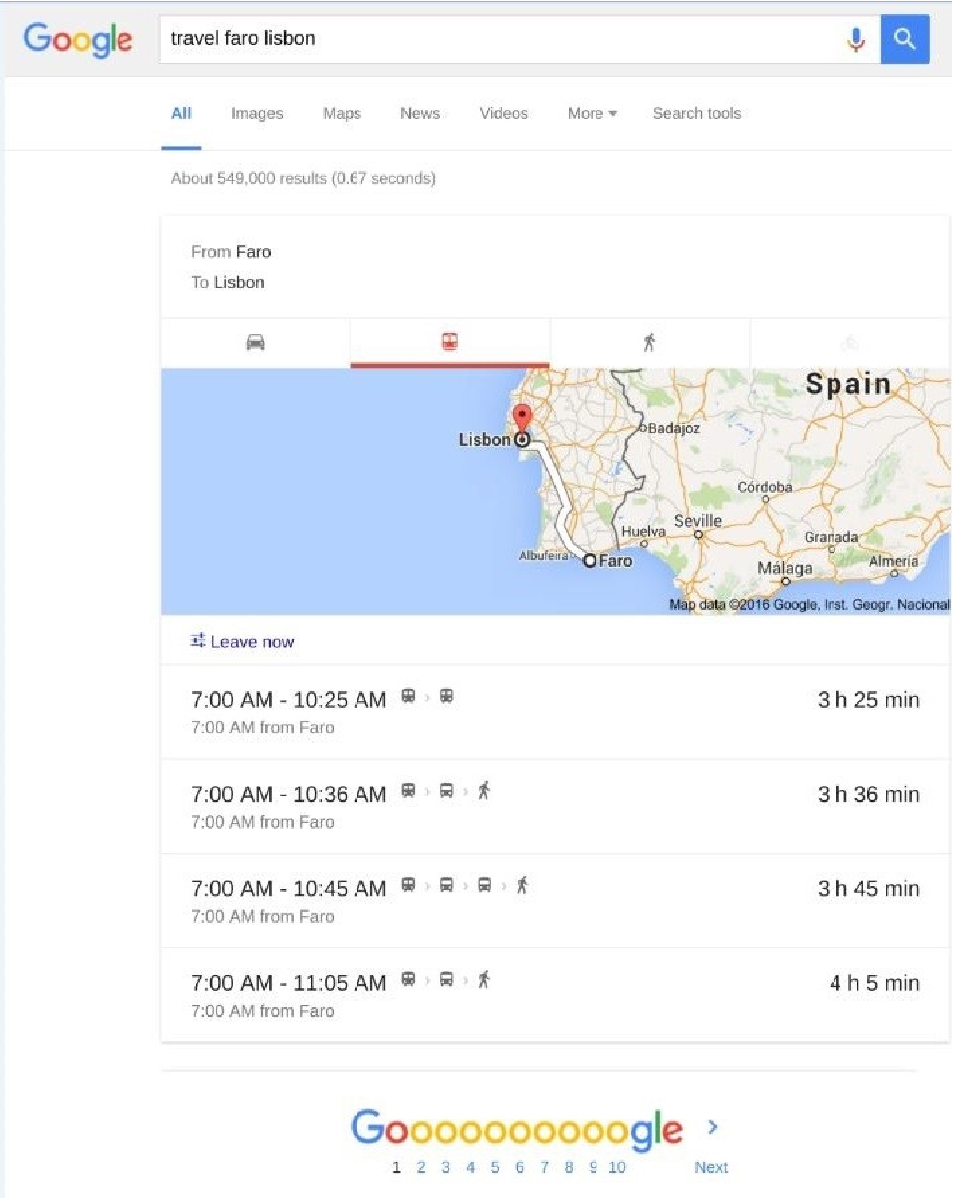 Figure 3: Current search results lack the profile-aware data needed for disabled travelers.
Critical Analysis & Conclusion
Takeaway
The genius of this paper lies in its pragmatism. Instead of fighting for attention in a crowded app market, it embeds accessibility into the plumbing of the internet.
Limitations
- Trustworthiness: Business owners might "overstate" their accessibility to gain SEO points.
- Complexity: Finding the balance between an "exhaustive" schema and one that is "easy to implement" is difficult.
Future Work
The next step is refining these tags with disability experts to ensure they cover non-mobility issues (e.g., visual or auditory impairments) and getting the proposed extension officially adopted by the schema.org steering committee.