
VDS: Breaking the Healthcare Vicious Loop with Cognitive Avatars and Mental Cloning
Improving Healthcare Using Cognitive Computing Based Software: An Application in Emergency Situation
This paper introduces the Virtual Medical Doctor System (VDS), a cognitive computing platform designed as a decision support system (DSS) for remote elderly care and emergency management. By integrating physiological, psychological, and environmental data, VDS leverages avatar-based interfaces and "mental cloning" to provide high-fidelity doctor-patient interactions and automated triage, reaching SOTA-level efficiency in medical resource allocation.
TL;DR
As global populations age, healthcare systems are hitting a breaking point. This paper proposes the Virtual Medical Doctor System (VDS)—a cognitive computing platform that creates a digital "clone" of a doctor’s diagnostic style. By combining physiological data with an innovative "Environmental Ontology," VDS serves as a first-line triage tool that reduces unnecessary hospital visits and provides psychological support through empathetic AI avatars, particularly during natural disasters.
The Motivation: The "Vicious Loop" of Aging Societies
In countries like Japan and Italy, a demographic crisis is unfolding. Increasing numbers of elderly citizens require specialized care, yet there is a shortage of geriatricians. This leads to a "vicious loop":
- High welfare costs lead to budget cuts.
- Generalist doctors are overwhelmed.
- Patients, feeling abandoned or anxious, overwhelm emergency services (like the 118 line in Italy) for non-critical issues just to "talk to someone."
The authors identify that current telemedicine fails because it lacks empathy and context. Patients don't just need a blood pressure reading; they need the reassurance of their trusted family doctor.
Methodology: The Core of VDS
The VDS isn’t just a chatbot; it is a sophisticated Decision Support System (DSS) built on three pillars:
1. Mental Cloning & Personalization
The system mimics specific doctors (e.g., "Dr. John Doe"). It stores the physician's logic in Medical Logic Modules (MLMs) using open-standard syntax. The interface is an Avatar, synchronized with natural language and emotional expressions that match the actual doctor's style.
2. The Triple Ontology
While previous systems focused on the body, VDS integrates:
- Physiological Data: Vital signs (blood pressure, temperature).
- Psychological Data: Mental state and "ego data."
- Environmental Data: A unique Italian contribution that tracks pollution, noise, humidity, and radiation to understand the cause of symptoms.
3. System Architecture
The backend treats medical data as a Data Warehouse (DW), using ETL (Extract, Transform, Load) processes to turn heterogeneous data from home sensors into actionable medical intelligence.
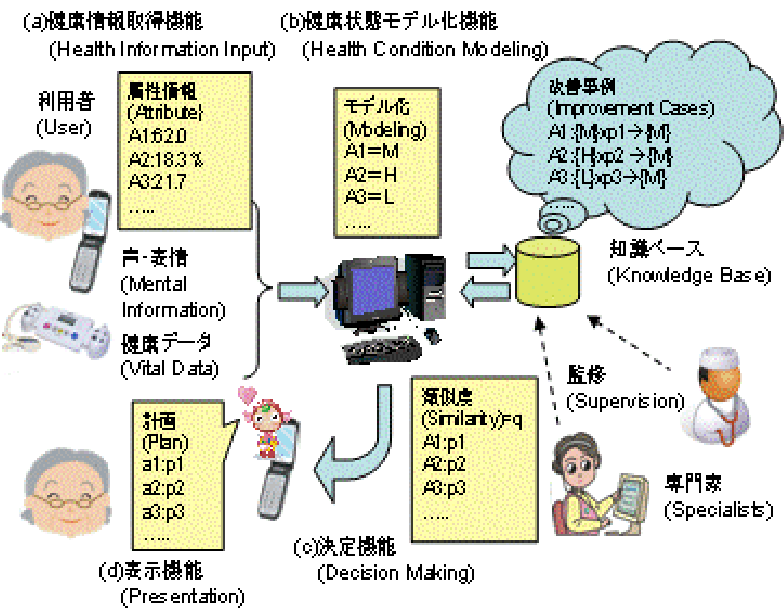 Figure 1: The conceptual layers of the VDS platform, showing the flow from patient interaction to the knowledge base.
Real-World Impact: The Liguria Case Study
The paper analyzes the emergency system (118) in the Liguria region, Italy. They found that many elderly patients call emergency lines not because of a red-code trauma, but because they are "anxious" and cannot reach their family doctor.
The Filter Effect: In the traditional system, a "doubt" leads to a 118 call Ambulance dispatch 7+ hospital staff involved. With VDS, the system acts as a "filter":
- Simple Cases: Handled by the VDS avatar with doctor supervision via reports.
- Complex Cases: Routed directly to specialists, reducing the "diagnostic investigation" waste.
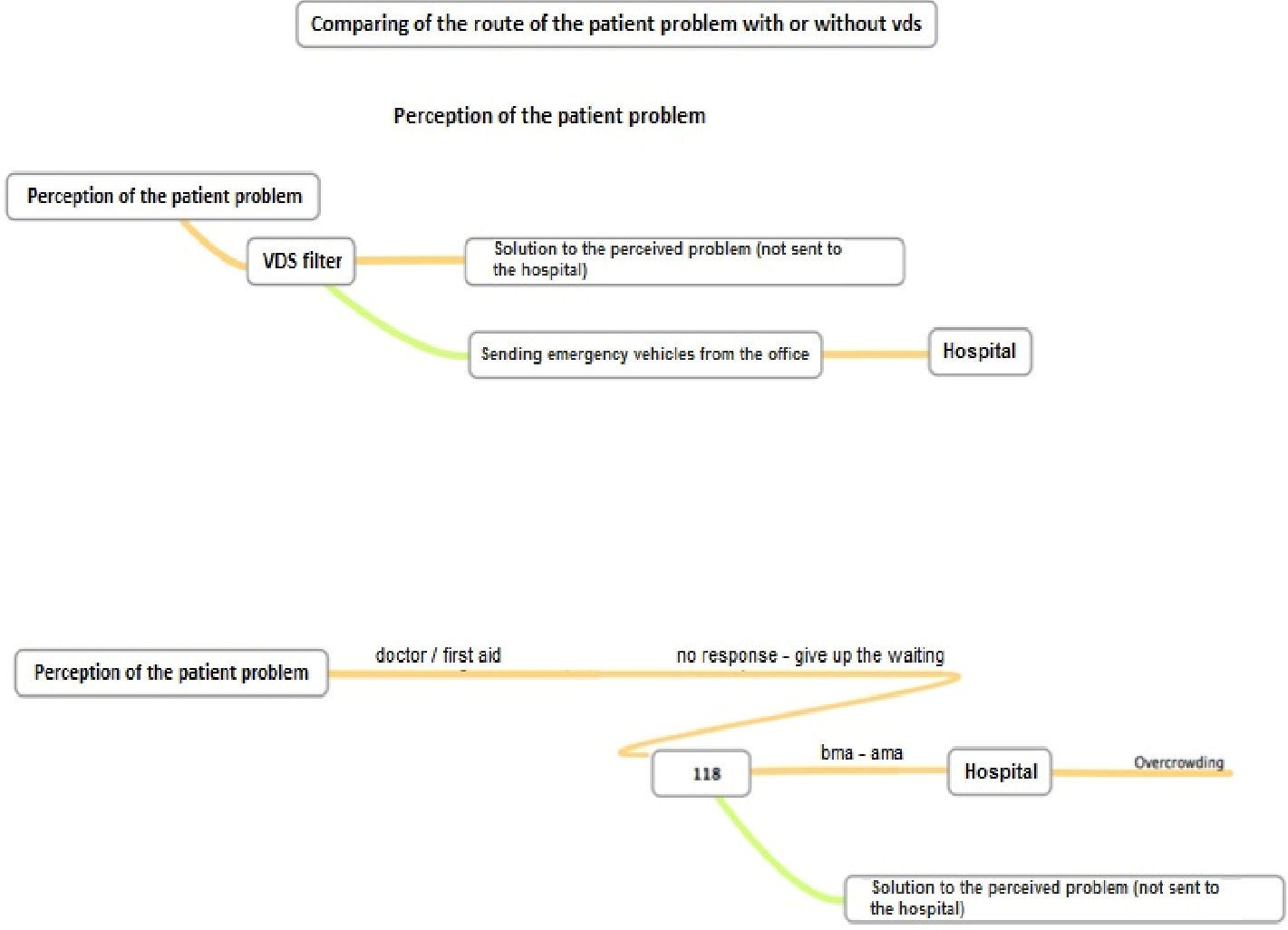 Figure 2: Protocol analysis for emergency dispatching, illustrating how patient communication styles impact resource allocation.
Critical Analysis & Future Outlook
The strength of this work lies in its holistic view. It recognizes that medical technology is as much about empathic communication as it is about data accuracy.
Key Takeaways:
- De-hospitalization: Moving the "filter" to the patient's home chair (equipped with sensors) is the only way to sustain aging welfare states.
- Disaster Resilience: Using Cloud and 3G/4G networks, VDS can provide immediate psychological and medical aid in earthquakes or floods when physical hospitals are unreachable.
Limitations: The paper primarily presents a "Proof of Concept." The real-world challenge remains the legal liability of an AI "clone" making drug dosage recommendations and the interoperability of diverse medical IoT devices.
Conclusion
VDS represents a shift toward "Cognitive Healthcare." By merging the Japanese expertise in human-computer interaction (avatars) with the Italian focus on environmental context, the authors provide a roadmap for a "Virtual Clinic" that doesn't replace doctors but amplifies their reach.
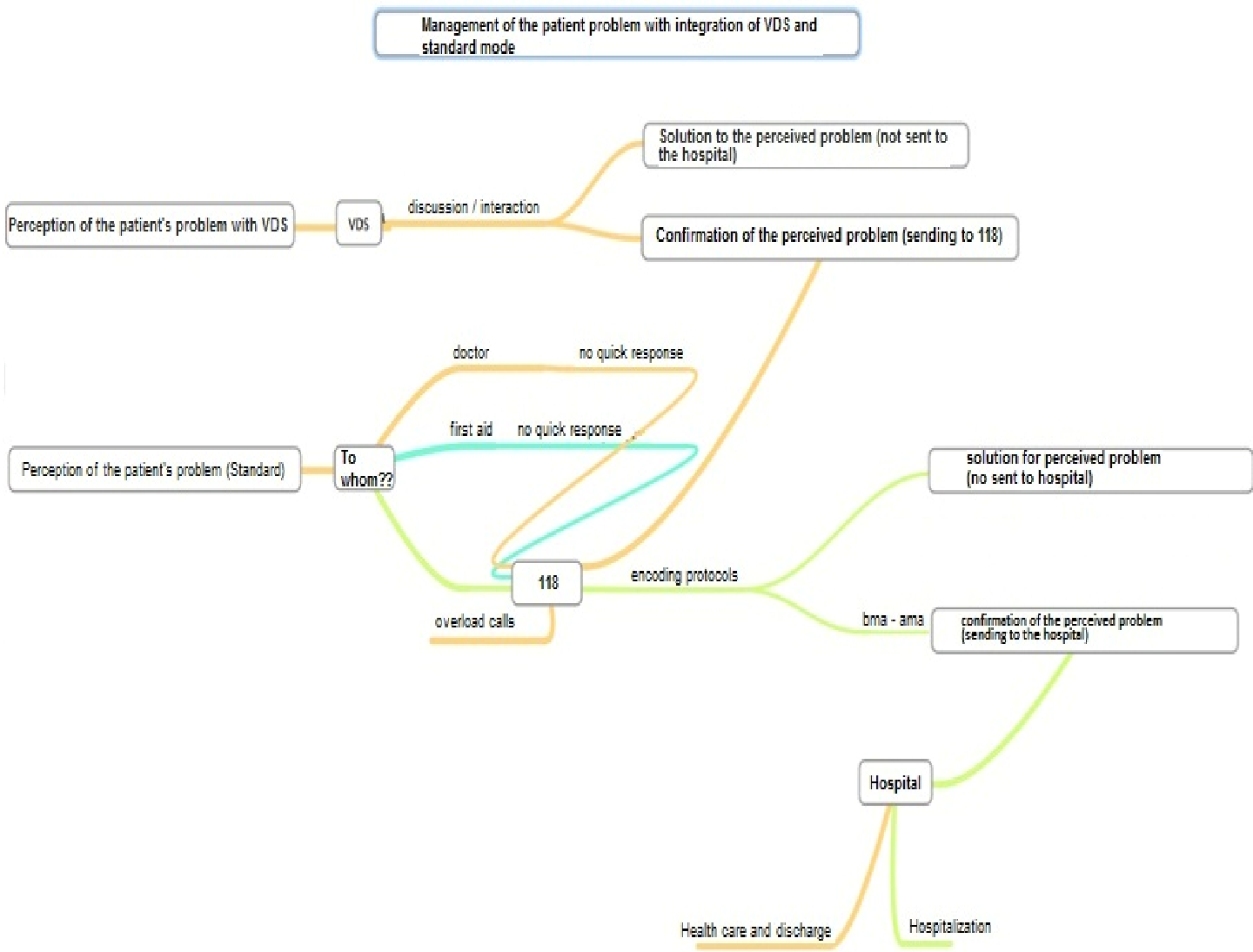 Figure 3: The scale of human resources required for a single traditional intervention vs. the optimized VDS-mediated path.