
Mining the Pharmacy Counter: How Purchase Patterns Predict Diabetes Complexity
10873_Improving risk-stratification of Diabetes complications using temporal data mining.
This paper introduces a temporal data mining approach to improve risk stratification for Type 2 Diabetes (T2D) patients by leveraging administrative drug purchase records. By applying Temporal Abstractions to Medication Possession Ratio (MPR) data, the authors identify "Stable" and "Not Stable" purchasing behaviors which correlate significantly with clinical outcomes.
TL;DR
Researchers from the MOSAIC project have pioneered a way to use "boring" administrative data—specifically drug purchase timestamps—to predict which Type 2 Diabetes (T2D) patients are at higher risk. By identifying stable vs. erratic purchasing behaviors through Temporal Abstractions, the study demonstrates a clear link between inconsistent medication acquisition and poorer clinical markers like HbA1c and BMI.
Problem & Motivation: The Data Gap in Chronic Care
When a diabetic patient first arrives at a specialist clinic, the physician sees a snapshot: current blood sugar, weight, and a list of complications. What’s missing is the "pre-history"—the months or years of behavioral habits that led to this point.
While Electronic Medical Records (EMR) are the gold standard, they are often sparse or irregular. Conversely, administrative data (drug purchase records) are abundant but "dumb"; they show what was bought for billing, but not why it was bought or if it was taken correctly. The authors realized that the temporal stability of these purchases could serve as a proxy for the patient's self-management and metabolic stability.
Methodology: From Purchase History to Temporal Abstractions
The core innovation lies in treating drug purchases not as isolated events, but as a continuous time series.
- CSA Metric: Instead of simple adherence, they used the Continuous Single Interval Measure of Medication Acquisition (CSA), calculated via the Defined Daily Dose (DDD).
- Temporal Abstractions (TA): They applied a sliding window algorithm to the CSA data to find "stationary intervals"—periods where the purchase rate stayed within a 1% tolerance.
- Global Stratification: Patients were grouped based on whether their overall medication behavior was "Stable" (>60% consistency across most of their prescribed therapies) or "Not Stable."
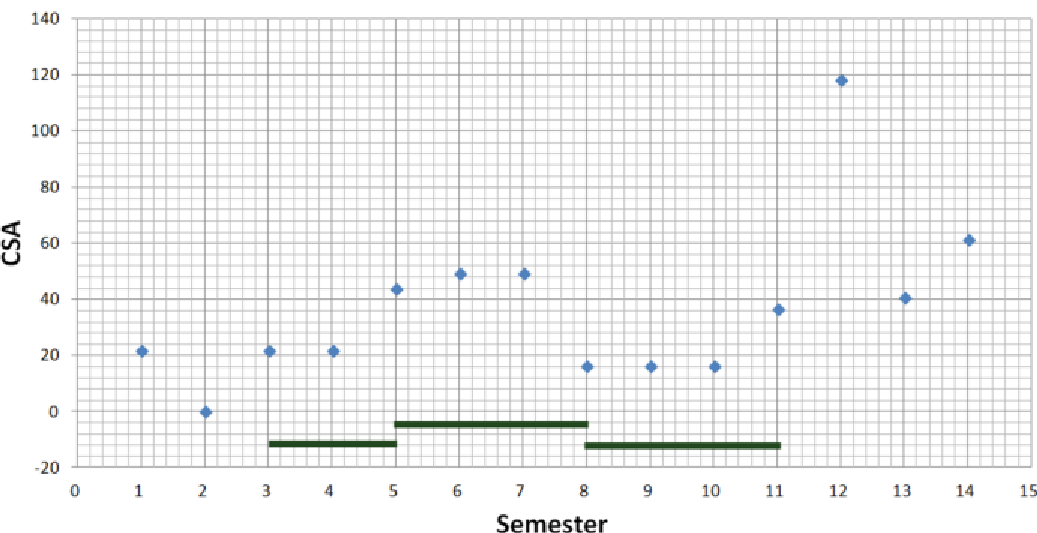 Figure 1: The process of turning fragmented drug purchase events into continuous "Stability Intervals" using Temporal Abstraction.
Experiments & Results: Habits Reflect Health
The researchers validated their behavioral clusters against actual clinical data from 953 patients. The results were striking:
- Metabolic Control: Patients in the "Not Stable" group had significantly higher HbA1c (a measure of long-term blood sugar) than those in the Stable group.
- Physical Indicators: Higher BMI was also strongly correlated with erratic purchasing behavior.
- Specific Medications: Drugs like Metformin and Lipid-lowering agents showed the highest stability, suggesting they are the "anchor" therapies in T2D management.
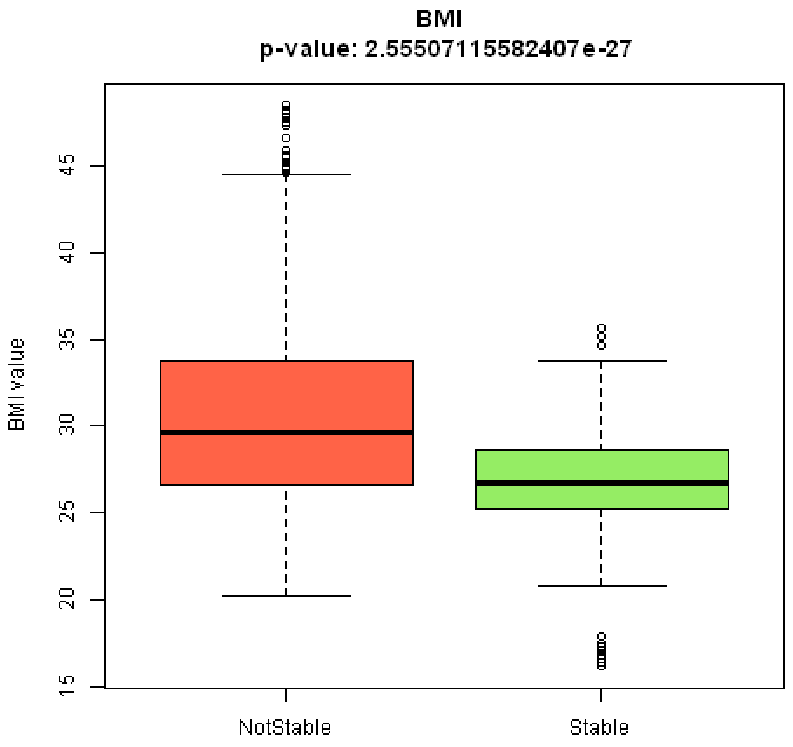 Figure 2: Comparing Stable vs. Not Stable groups reveals that behavioral stability in drug acquisition is a direct proxy for clinical health.
Critical Analysis & Conclusion
This work shifts the focus of risk stratification from what the body says (lab tests) to what the person does (purchasing habits).
Takeaway: The "Not Stable" group represents patients who likely struggle with therapy adherence or are experiencing frequent, unsuccessful dosage adjustments. By flagged these patients using administrative data before their clinical values plummet, healthcare providers can intervene earlier and more effectively.
Limitations: The study assumes that a high purchase volume equates to high intake, which isn't always true (white-bagging or hoarding). Additionally, the 1% stability threshold is quite rigid and might miss nuances in patients who receive specialized prescriptions outside the national health service.
Future Outlook: Integrating these temporal patterns directly into Clinical Decision Support Systems (CDSS) could allow for real-time risk alerts sparked by a single missed or delayed pharmacy visit.