
Making the Invisible Visible: How Social Metrics Drive Engagement in Facebook Games
Improving social game engagement on Facebook through enhanced socio-contextual information
The paper introduces "Magpies," a social game deployed on Facebook designed to study the impact of enhanced socio-contextual information on user engagement. By surfacing Social Network Analysis (SNA) indices (e.g., centrality, reciprocity) to players, the study achieved a significant boost in in-game social interactions compared to a control group.
TL;DR
Researchers from the University of Lincoln and the University of Padua demonstrated that by simply showing players "social stats" (like how reciprocal or central they are in a network), they could triple the number of social interactions in a casual game. While these metrics didn't help the game go viral, they dramatically deepened the engagement of existing players.
Context: This work is early SOTA in "Social Translucence," moving social network theory from academic analysis into real-time game mechanics.
Problem & Motivation: The "Empty Room" Problem in Digital Spaces
One of the greatest challenges in Computer-Mediated Communication (CMC) is the lack of "Social Presence." In the physical world, we sense the energy of a room, the hierarchy of a group, and the reciprocity of a conversation through non-verbal cues. In digital social networks, these structures are often hidden in the database (the "Social Graph").
The authors hypothesized that if you take these hidden "Socio-Contextual" factors—data about who is talking to whom and who is being ignored—and show them to the players, those players will change their behavior to improve their "social standing."
Methodology: Magpies vs. Beachcombers
The researchers conducted a controlled A/B test on Facebook using two identical collection games:
- Magpies (Augmented): Included visible Social Network Analysis (SNA) indices.
- Beachcombers (Control): Precisely the same game, but with the social data hidden.
The Engine of Presence: SNA Indices
Instead of boring math, the authors used focus-group-validated labels to present data:
- Reciprocity became "Equality" (Are you giving as much as you get?).
- Centrality became a measure of Influence.
- Visualizations: Players could see actual node-link graphs showing the "flow" of items between friends.
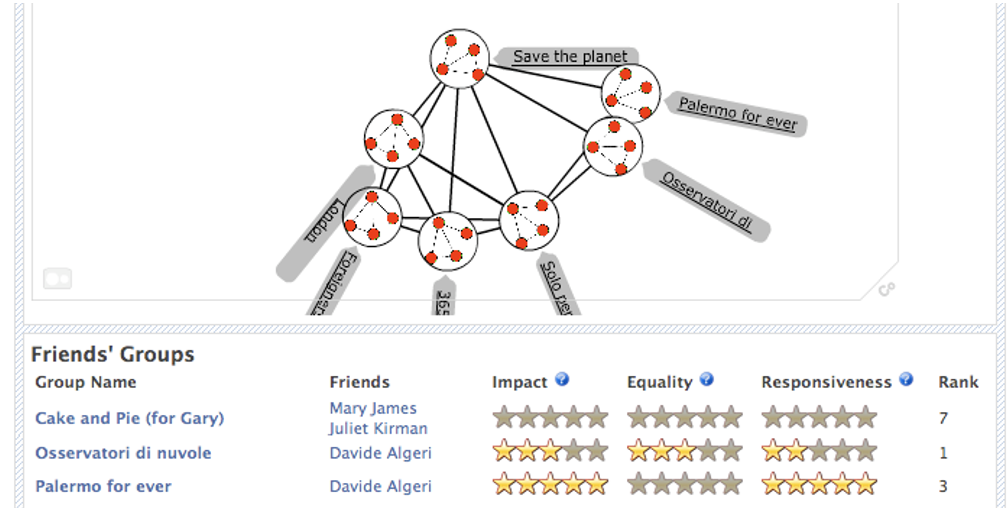 Figure 1: How social indices were presented to players using star ratings.
Why It Works: Feedback Intervention Theory
The methodology relies on the Feedback Intervention Theory. When a player sees a "3-star" rating for Equality, it creates a psychological "gap" between their current state and the goal (5 stars). This motivates the player to perform the task—in this case, interacting with others—to fill that gap.
Results: Engagement Tripled
The results were stark. While both games had roughly the same number of players and "stashes" created, the interaction levels were worlds apart.
| Metric | Magpies (SNA Active) | Beachcombers (Control) |
|---|---|---|
| Total Interactions | 297 | 89 |
| Collections | 67 | 75 |
| Players (N) | 102 | 113 |
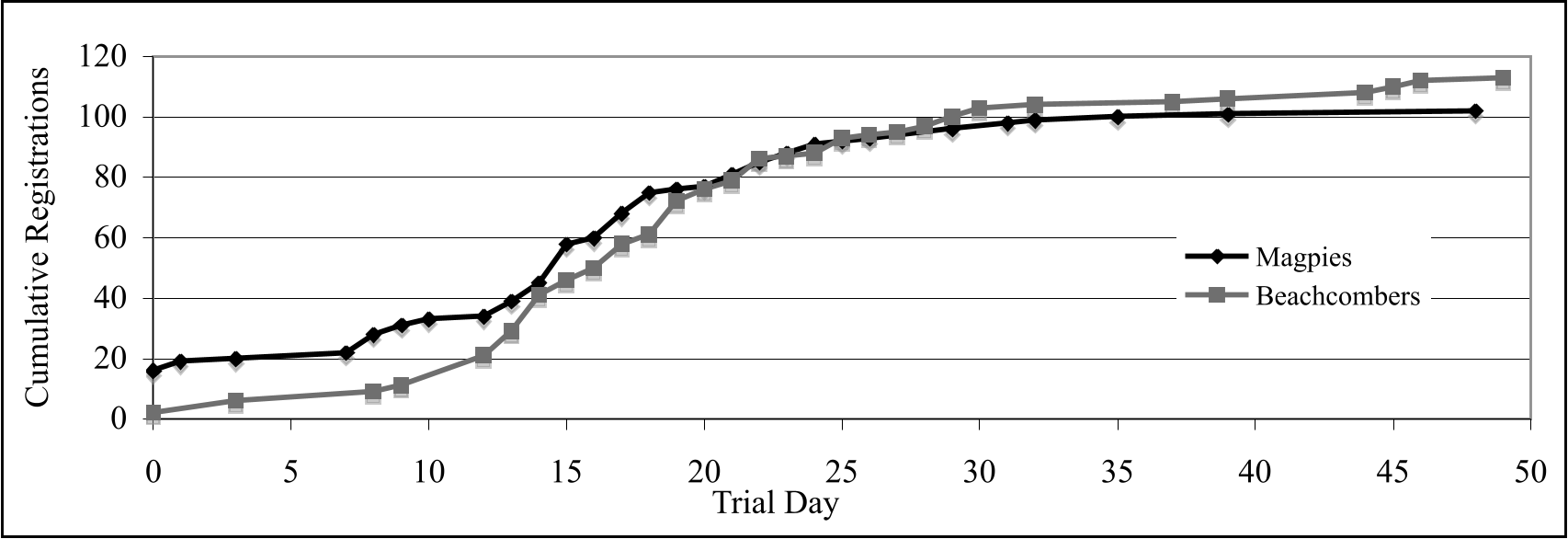 Figure 2: Both games followed identical viral growth (S-curves), proving that social indices help with retention, not necessarily acquisition.
Critical Insights & Takeaways
- Engagement is not Growth: The most interesting finding is that while players interact more inside the game, they aren't more likely to invite others. Socio-contextual data strengthens existing bonds but doesn't necessarily forge new ones.
- The Power of Transparency: By making the "Social Graph" explicit, developers can guide user behavior without needing explicit quests or rewards.
- Future Impact: This study laid the groundwork for modern "Social LinkedIn" or "Gaming Leaderboards" where your status relative to your network is a primary driver of retention.
Limitations
The study did not isolate which index (Reciprocity vs. Centrality) was the most influential. It’s possible that a single well-designed metric carries 80% of the motivational weight, while others simply add clutter.
Conclusion
The study concludes that Social Network Analysis is not just a tool for researchers to understand behavior—it is a tool for designers to shape it. By providing "Social Translucence," developers can turn a lonely digital experience into a vibrant, interactive community.