
Beyond the Repository: Bridging the LMS Gap with Social Network Integration
Incorporating Learning Management System with Social Network Sites to Support Online Collaborative Learning: Preliminary Analysis
This paper presents a preliminary analysis of integrating Learning Management Systems (LMS) with Social Network Sites (SNS) to bolster Online Collaborative Learning (OCL). By surveying 125 students and lecturers at Malaysian Polytechnics, the study identifies a significant "communication gap" in traditional LMS platforms and proposes a Facebook-integrated Moodle framework as a solution.
TL;DR
This study investigates why traditional Learning Management Systems (LMS) often fail as collaborative tools despite having the features to support them. Through a survey of Malaysian Polytechnic students and lecturers, the researchers uncover a stark reality: users visit the LMS for grades but flee to Social Network Sites (SNS) for actual discussion. The paper proposes an integrated Moodle-Facebook architecture to solve the "communication desert" and the "individual assessment" dilemma in online group work.
The Problem: The "Ghost Town" of LMS Communication
Most universities invest heavily in LMS platforms (like Moodle or Blackboard) to centralize learning. However, these systems often become "document graveyards."
The authors identify two critical pain points:
- Low Social Presence: Students find built-in forum tools clunky and unrewarding.
- The "Free-Rider" Crisis: Lecturers struggle to see who is actually doing the work. When everyone gets the same group mark, 90% of students feel the evaluation is unfair.
Insight: Meet Students Where They Are
The research insight is simple but profound: don't try to force students into a new social habit. Instead, hook the "Professional" learning environment (LMS) into the "Social" habitat (Facebook).
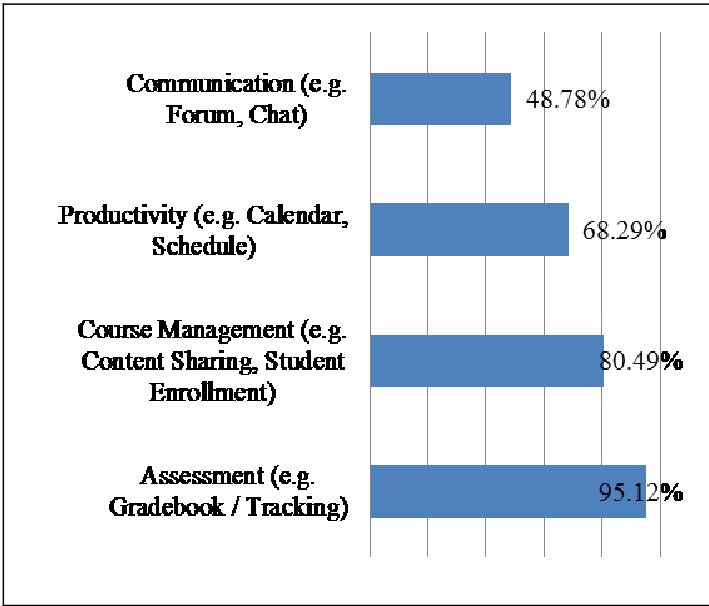 Figure 1 & 2: Data shows a massive drop-off between using LMS for Assessment vs. Communication.
Methodology & Findings
The researchers conducted a preliminary study using a 4-point Likert scale to eliminate "neutral" answers, forcing respondents to take a stand on the effectiveness of current tools.
Key Data Points:
- Usage Disparity: 95% of lecturers use the LMS for Assessment, but less than 50% use it for Communication.
- Facebook Dominance: Over 95% of both groups are active on Facebook, making it the de facto standard for "alternative" communication.
- Assessment Frustration: 88% of lecturers are aware of "free riders," yet only 46% have a strategy to measure actual individual contribution.
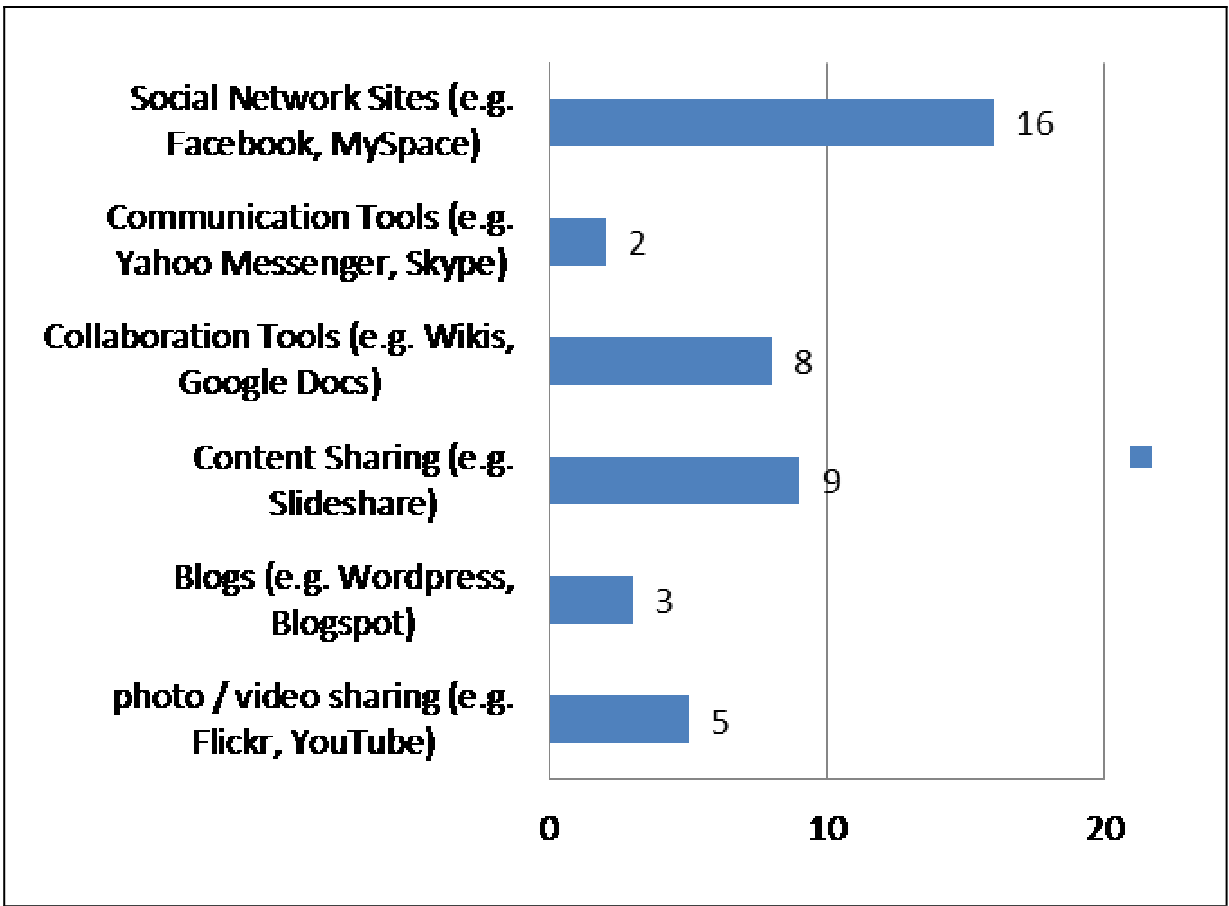 Figure 3: Social Networking is the #1 choice to complement institutional LMS.
The Proposed Shift: From Output to Process
The core methodology suggests that by incorporating Facebook into Moodle, educators can:
- Monitor Peer Interaction: Use social APIs to track discussion frequency and quality.
- Mitigate Free-Riding: Transparent logs of social collaboration make it clear who is contributing.
- Enhance CL (Collaborative Learning): Leverage the push-notification nature of SNS to keep students engaged in group projects.
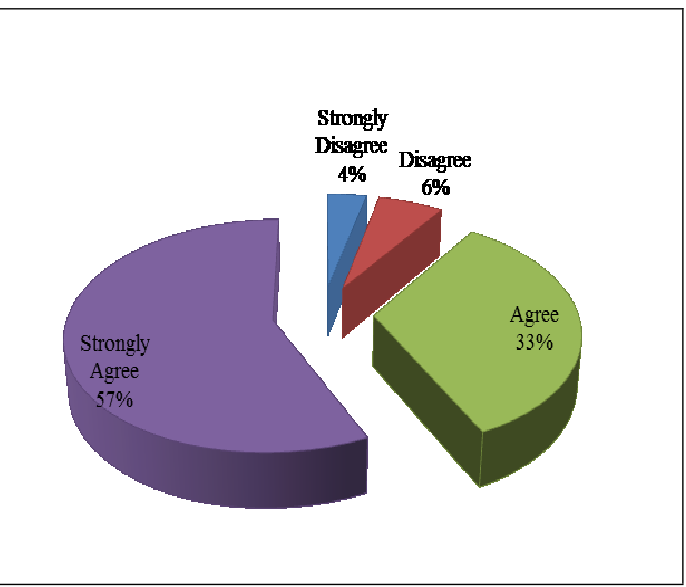 Figure 11 & 12: A combined 90% of students find equal group marks for unequal work to be unfair.
Critical Analysis & Future Outlook
Takeaway: This paper serves as a wake-up call for EdTech developers. An LMS is no longer just a file-server; it must be a social ecosystem.
Limitations: The study is "preliminary" and focuses on perceptions. It does not yet provide a technical API roadmap for the integration, nor does it address the "distraction factor" of bringing Facebook into the classroom—a common critique mentioned in the discussion section.
Future Work: The authors plan to develop a specific Moodle-Facebook bridge. For the wider industry, this signals a shift toward headless LMS—where the backend handles the grades and content, but the frontend interaction happens on modern, social-first platforms.
Keywords: 21st Century Learning, Social Constructivism, Moodle Integration, EdTech Strategy.