
Bridging the Gap: Why Your LMS Needs a Social Media DNA
Incorporating Learning Management System with Social Network Sites to Support Online Collaborative Learning: Preliminary Analysis
This preliminary study explores the integration of Learning Management Systems (LMS) with Social Network Sites (SNS) to bolster Online Collaborative Learning (OCL). By surveying 125 students and lecturers across Malaysian Polytechnics, it identifies critical gaps in existing LMS communication features and proposes a unified framework leveraging Facebook to enhance 21st-century skill development.
TL;DR
Modern Learning Management Systems (LMS) are excellent digital filing cabinets but terrible social hubs. This paper highlights a critical disconnect: while 21st-century learning demands collaboration, current platforms like CIDOS are used almost exclusively for assessments rather than interaction. The solution? Integrating the social power of Facebook directly into the LMS to solve the "free-rider" problem and foster genuine peer-to-peer engagement.
The "Communication Desert" in Modern LMS
Despite the push for active learning, most institutional LMS platforms remain stagnant. The authors' survey of Malaysian Polytechnics reveals a startling trend:
- Lecturers use LMS for Assessment (95%) but largely ignore its Communication tools (only 48% usage).
- Students find the built-in forums clunky, with only 16.67% utilizing them for interaction.
The result is a "shadow education" infrastructure where students and lecturers move to Facebook and WhatsApp to get actual work done, leaving the formal LMS as a ghost town of PDF uploads and grade checks.
Methodology: The Polytechnic Pulse
The researchers utilized a structured survey (Cronbach Alpha > 0.8) across four polytechnics to identify the friction points in Group Projects.
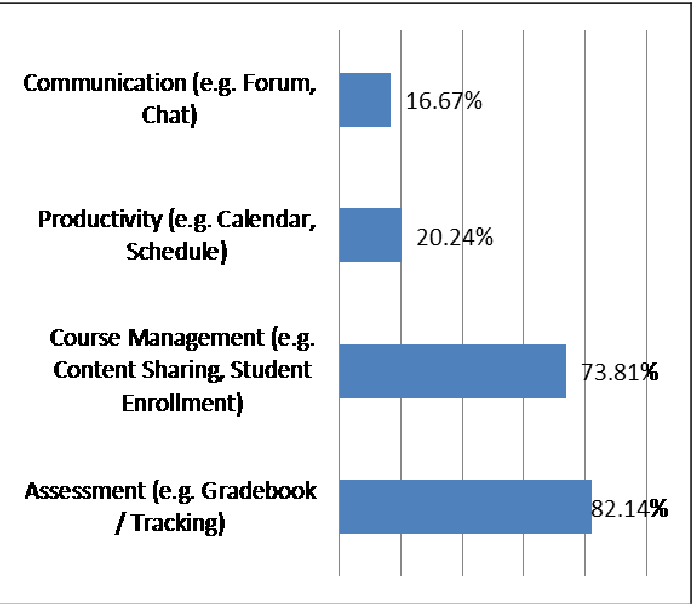 Figure 1: LMS usage data showing the heavy skew towards administrative tasks over productivity.
One of the most significant findings involves the "Free-Rider" dilemma. While 88% of lecturers are aware that some students coast on the work of others, 54% of them still struggle to measure individual contributions, often resorting to awarding the same mark to the entire group.
The Insight: Meeting Students Where They Live
The methodology moves beyond just identifying problems; it looks at user behavior. With 95% of both students and lecturers being Facebook subscribers, the authors argue that the "cognitive load" of learning a new communication tool within an LMS is unnecessary.
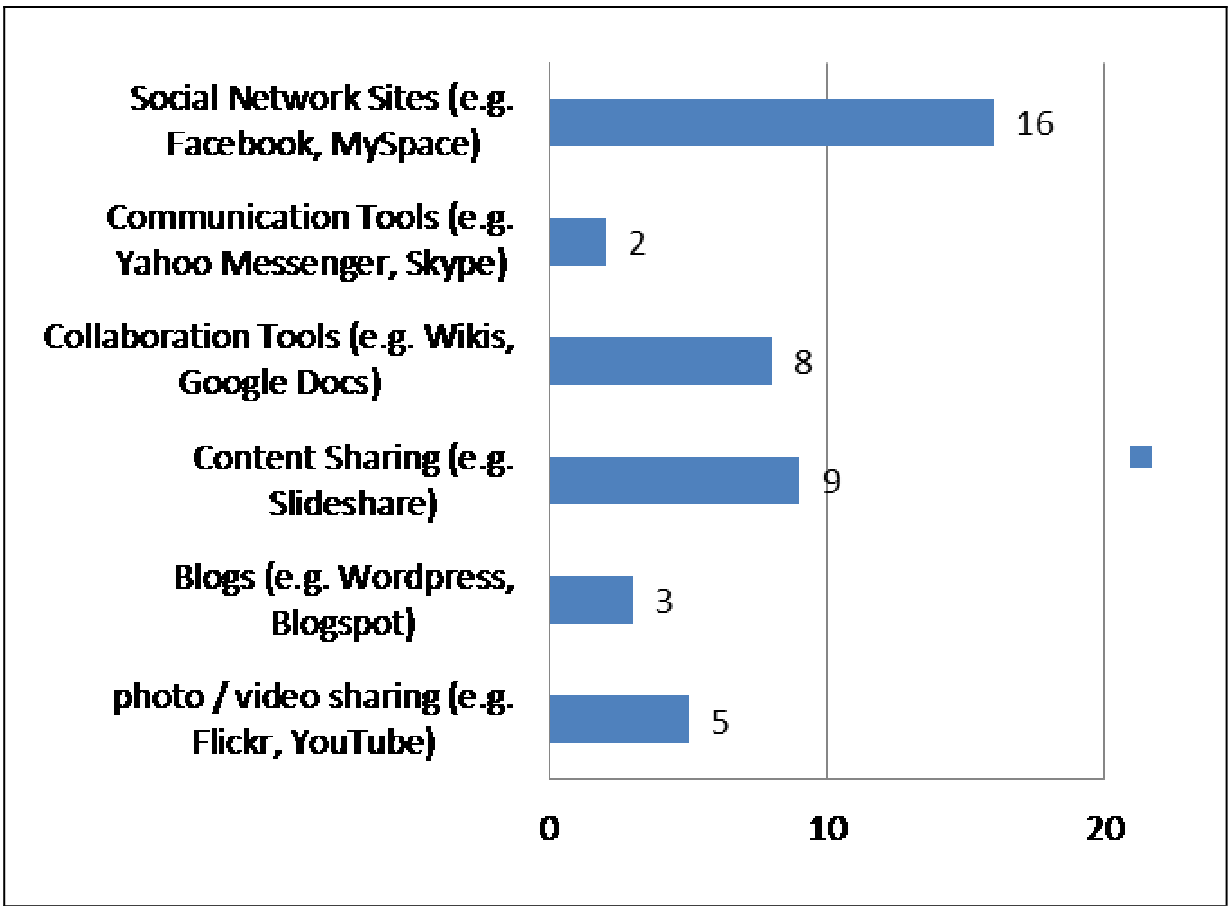 Figure 2: The dominance of Social Networking as the preferred supplement to traditional teaching.
The proposed methodology suggests a Moodle-Facebook integration. By allowing discussion and group work to happen via a Facebook interface that feeds data back into the LMS, educators can:
- Monitor real-time contribution logs.
- Provide a familiar "low-friction" environment for debate and critical thinking.
- Automate the tracking of student-to-student interaction.
SOTA Comparison: Fairness in Evaluation
The paper's strongest contribution is the quantification of student frustration. 90% of students agreed or strongly agreed that receiving the same marks for a group project is fundamentally unfair. Existing SOTA (State of the Art) tools in the polytechnic context fail to address this, whereas the proposed social integration provides a transparent audit trail of who said what, and when.
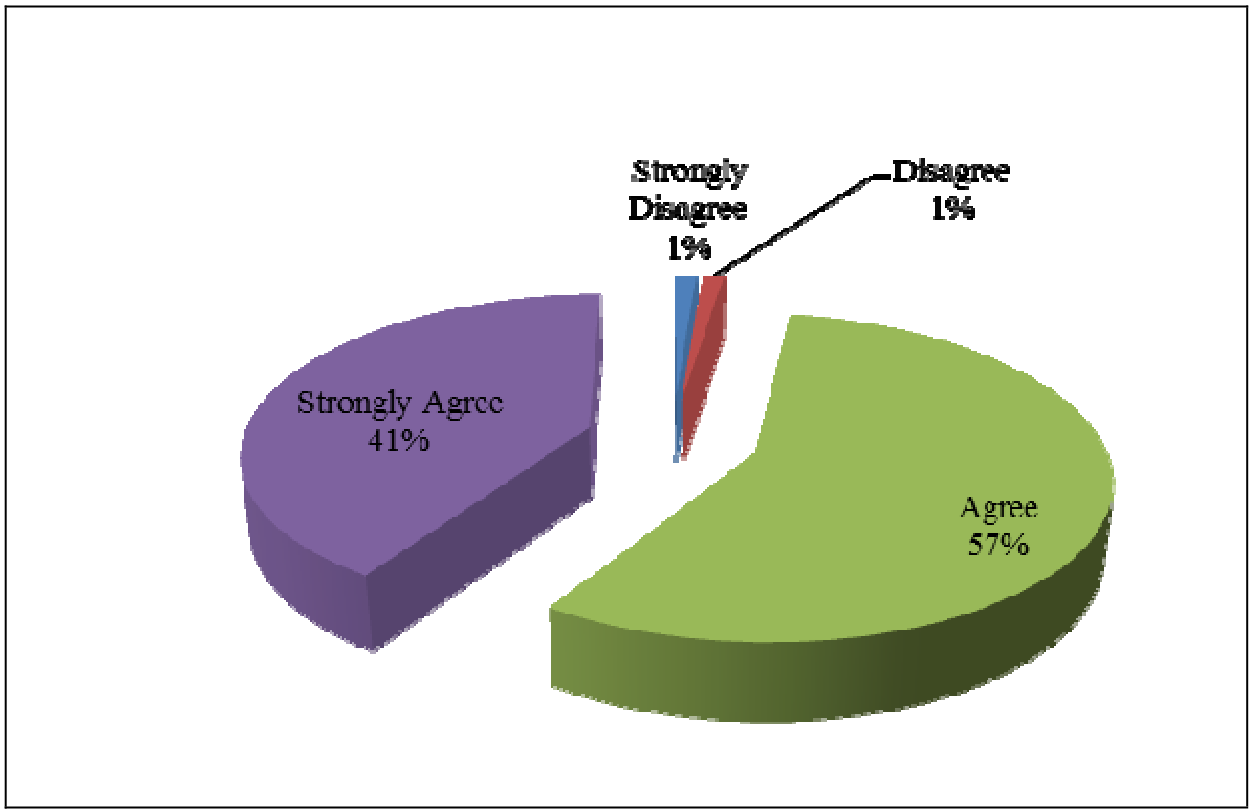 Figure 3: Overwhelming student support for contribution-based grading.
Critical Analysis & Conclusion
While this is a "preliminary study," it hits on a profound architectural truth in EdTech: Usability is the ultimate pedagogical feature.
Limitations: The study primarily focuses on Facebook. In 2026, the shift might include platforms like Discord or specialized collaborative tools (Notion, Slack). Additionally, the authors do not fully address the privacy implications of mixing a private social account with institutional academic monitoring.
Future Outlook: The next phase of this research—developing the actual Moodle-Facebook plugin—will be a litmus test for whether "Social LMS" can truly reduce the 88% awareness of free-riders into actionable, data-driven grading.