
Indexing Biosignals: Bridging the Gap Between IoT Data and Health Social Networks
Indexing Biosignal for Integrated Health Social Networks
This paper proposes an integrated Health Social Network (HSN) framework that uses a Convolutional Neural Network (CNN) to index biosignals. By encoding ECG signals directly into 200-dimensional word embedding vectors, the system automatically generates medical keywords to bridge the gap between IoT raw data and social network information retrieval.
TL;DR
Bridging the gap between raw medical data and patient-friendly information is a major challenge in digital health. This paper introduces a novel system that uses Convolutional Neural Networks (CNN) to translate raw ECG signals into word embedding vectors. By turning heartbeats into "searchable keywords," the authors enable patients to navigate Health Social Networks (HSNs) effectively without needing a medical degree.
Background: The Communication Gap in Digital Health
The rise of Health Social Networks (HSNs) has empowered patients to find emotional support and peer advice. However, a significant barrier remains: medical literacy. A patient might feel "fluttering" in their chest but doesn't know to search for "atrial fibrillation" or "arrhythmia."
While Internet of Things (IoT) sensors can capture these signals, the output is usually a cryptic waveform. The authors identify a missed opportunity: if we can map these signals directly to the semantic space used in human language, we can automate the discovery of relevant medical communities and information.
Methodology: From Waveforms to Word Vectors
The core innovation lies in treating an ECG signal not just as a diagnostic target, but as a semantic index.
1. The Encoder (CNN Architecture)
The researchers developed a CNN that takes a 3-second ECG segment (using the 3-lead Frank system for better wearable usability) and processes it through four convolutional blocks. Unlike traditional classifiers that output a single label (e.g., "Sick" or "Healthy"), this model performs regression to output a 200-dimensional vector.
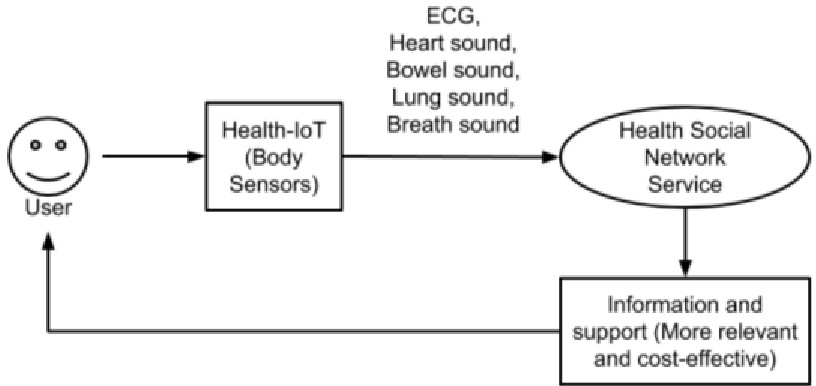 Figure 1: The proposed end-to-end HSN service integrating IoT and automated diagnosis.
2. The Decoder (Word Embedding Space)
The output vector is projected into a Word2Vec space trained on 2.6 million unlabeled social media comments. By calculating the cosine similarity between the "signal vector" and "word vectors," the system identifies the most relevant medical keywords.
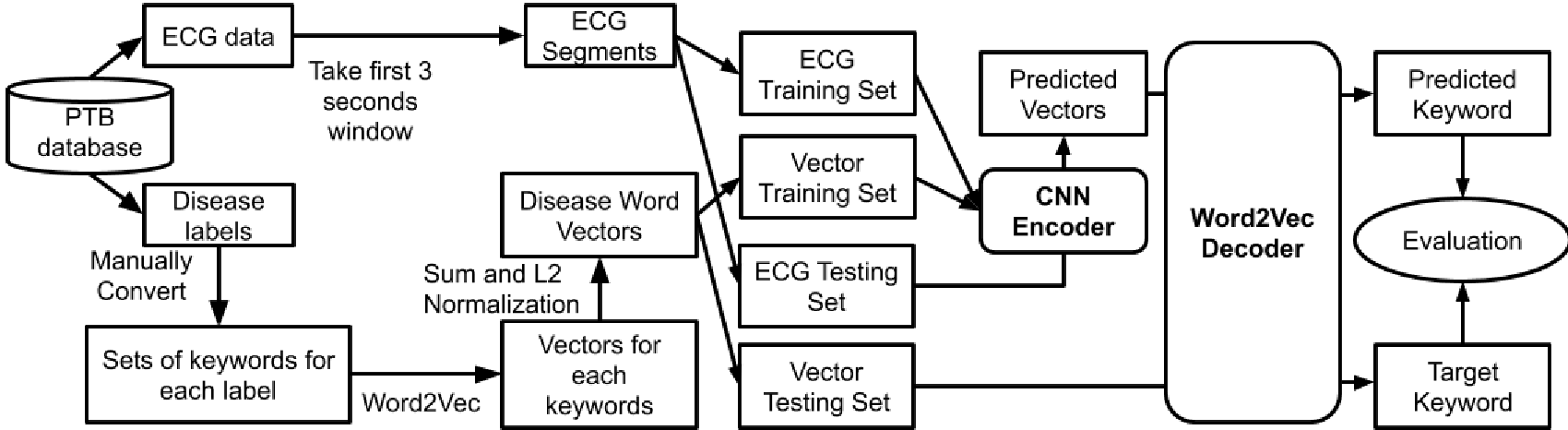 Figure 2: The process of transforming ECG signals into searchable keywords via Word2Vec projection.
Experiments and Results
The authors tested their model using the PTB Diagnostic ECG Database.
Keyword Accuracy
The primary goal was to see if the predicted keywords matched the actual medical conditions.
- Healthy Controls: Achieved an average of 3.67 correct keywords out of 5.
- Myocardial Infarction (MI): Achieved 3.60 correct keywords in balanced datasets.
Diagnostic Performance
Even though the primary goal was indexing, the model functioned as a powerful classifier. In Dataset B (Healthy vs. MI), the model achieved an F-measure of 88.2% for both classes, showing high reliability in distinguishing normal heart functions from critical conditions.
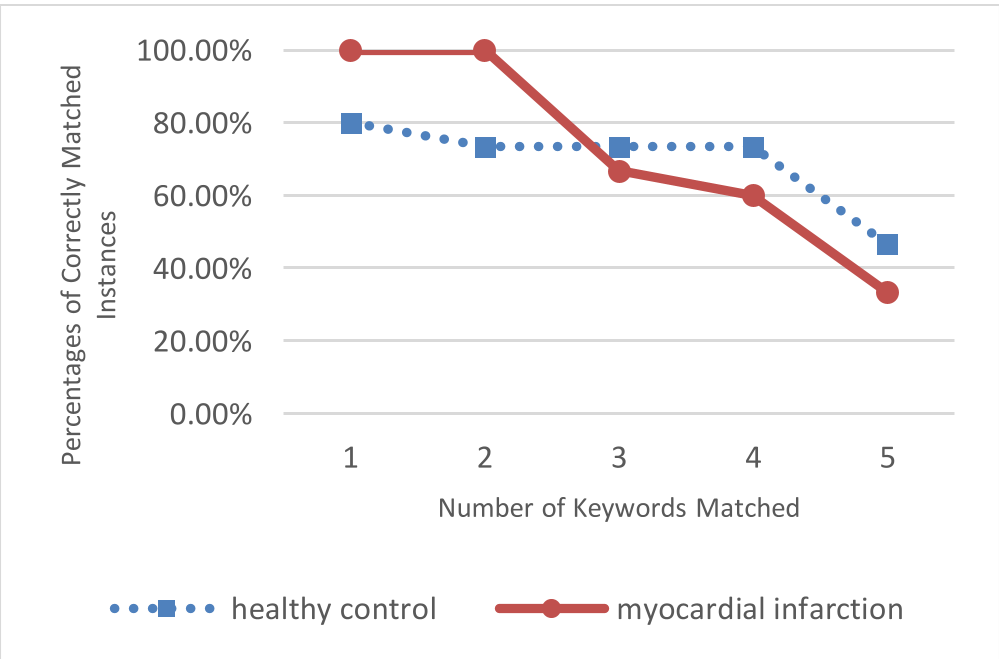 Table 1: Classification metrics showing strong specificity and sensitivity across conditions.
Critical Insight: Why This Matters
Most AI in medicine focuses on replacing the doctor. This paper focuses on augmenting the patient. By creating a "Signal-to-Keyword" pipeline, this research enables:
- Zero-Knowledge Search: Patients get relevant information by simply wearing a device.
- Community Integration: Raw data becomes the "passport" to relevant social support groups.
- Cost Reduction: It minimizes the need for high-cost professional intervention for initial information gathering.
Limitations
While the concept is groundbreaking, the study utilized a relatively small dataset (157 samples). Furthermore, the mapping of keywords was "mocked up" from internet descriptions. Future work would benefit from larger, real-world datasets and more complex architectures like Transformers to capture the long-term dependencies in biosignals.
Conclusion
This study is a pioneer in indexing biosignals within HSNs. It moves beyond "black-box" diagnosis toward a more transparent, user-centric interface where our own biological signals help us find the words we need to seek help.