
The Surveillance Trap: Why Your Professional Commitments Won't Let You Go "Off-Grid"
The Influence of Personal and Professional Commitments on Digitally Disconnected Experiences
This study investigates the impact of personal and professional commitments on "digital-free travel" (DFT) experiences. Using a qualitative approach with diaries and interviews from 24 participants, the authors apply the theoretical lens of surveillance to explain why travelers struggle to disconnect in a ubiquitously connected world.
TL;DR
Digital-free travel (DFT) is increasingly marketed as the ultimate wellness escape. However, a new study reveals that tourists are rarely "free" even without signal. Through the lens of Interpersonal Electronic Surveillance (IES), researchers found that the weight of being a "responsive employee" or "available family member" creates a digital leash that persists through psychological pressure, even when the data roaming is turned off.
The Myth of the "Clean Break"
In an era of ubiquitous connectivity, the boundary between "home" and "away" has dissolved into a state of "absent presence"—where you are physically in a remote paradise but socially present in your Slack channels or family group chats.
The core motivation for the authors was to understand why, despite a clear desire to disconnect, travelers experience high levels of anxiety. The insight is profound: technology has transformed from a tool of convenience into a tool of surveillance. We aren't just using phones; we are being monitored by the "surveilling gaze" of our colleagues, superiors, and loved ones.
Methodology: Capturing the "Unplugged" Mind
The researchers didn't just ask for retrospective accounts. They utilized a diary method to capture real-time emotional shifts across 24 participants from 7 countries.
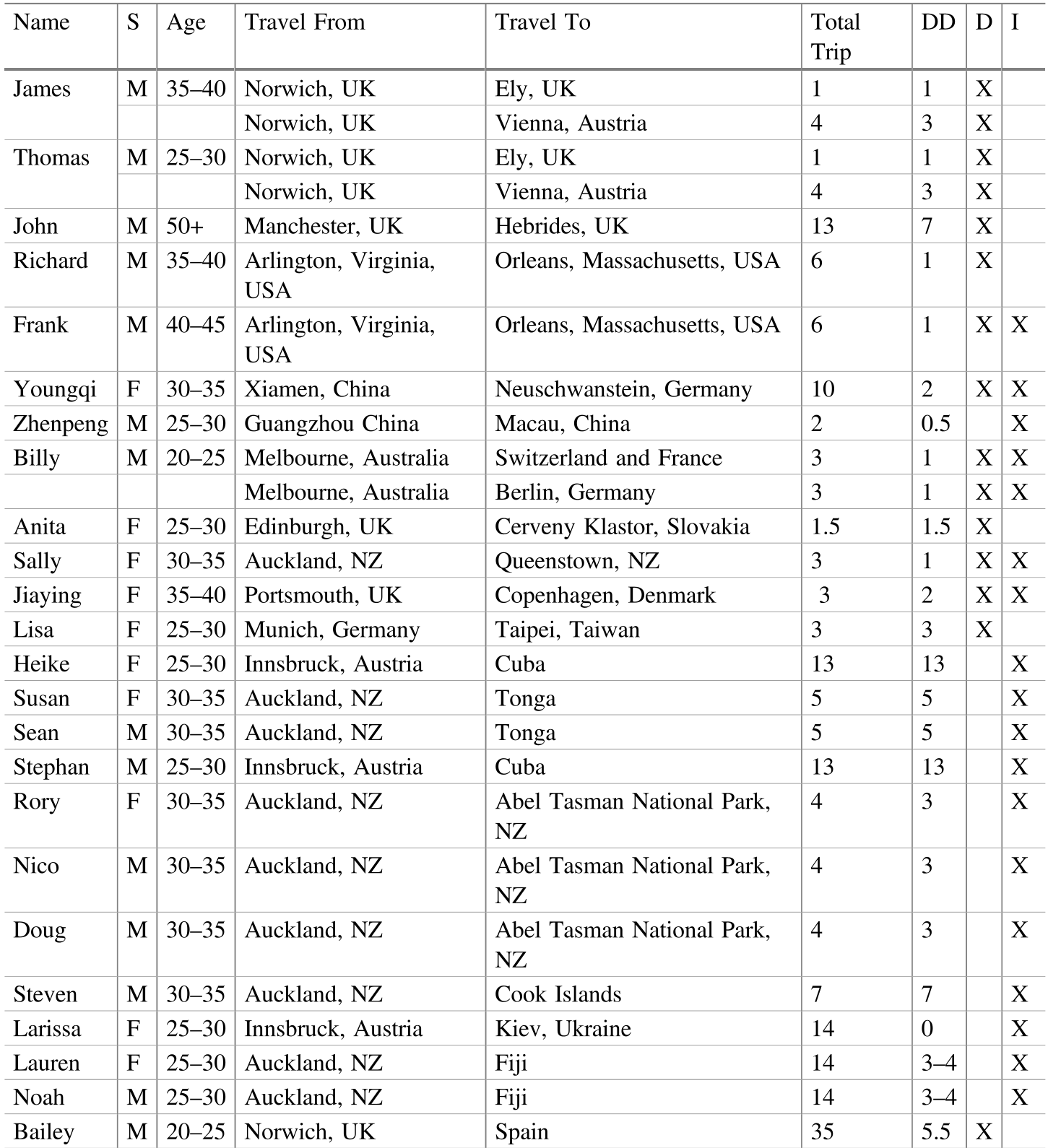 Table 1: The study tracked diverse professionals across various "Digital-Free" (DD) durations.
By analyzing these diaries alongside in-depth interviews, the study identified a recurring theme: The Autonomy Paradox. The more freedom technology gives us to work from anywhere, the less freedom we have to be nowhere.
Key Findings: The Two Sides of Digital Surveillance
1. Professional Surveillance & The Fear of Missed Opportunities
Many participants felt they were "failing" their teams by being unavailable. One traveler, Doug, noted that a missed email on a Friday almost cost him a major career opportunity. This creates a "spiral of escalating engagement"—where the fear of being seen as unresponsive forces people to check-in, further reinforcing the expectation of their availability.
2. Social Surveillance & Safety
It’s not just "the boss" watching. Family members (especially parents) often view a traveler's connectivity as a safety metric. When a traveler goes dark, the audience at home becomes anxious. As one participant, Houjia, noted: "My mother won't allow me to disconnect... she will be worried... it creates this kind of anxiety."
3. Reciprocal Monitoring
Surveillance is a two-way street. Travelers didn't just feel watched; they felt a "nagging feeling" to surveil their own lives—checking on pets, parcels, or news. This reciprocity means that even without incoming notifications, our internal "social roles" demand we seek out digital traces of our world.
Critical Insight: The "Negotiated" Holiday
The study concludes that true digital-free travel requires expectation management. Successful disconnectors were those who explicitly "negotiated" their absence beforehand, telling their networks exactly when they would be unreachable.
However, for many in "high-stakes" professional roles, the study suggests that a complete disconnect may be functionally impossible under current social norms. The "digital-free" experience often becomes a source of stress rather than a relief, as the backlog of "unseen" surveillance (emails, posts, messages) grows in the traveler's imagination.
Conclusion
This research moves the conversation from the technical (lack of signal) to the sociological (commitment and surveillance). For the tourism industry, the takeaway is clear: simply offering a "no-Wi-Fi" zone isn't enough. Providers must address the psychological anxiety of the surveilled traveler, perhaps by offering structured "check-in" windows or services that help manage the "expectations of responsiveness" back home.
Takeaway for the Reader: Your struggle to put down your phone on holiday isn't a lack of willpower; it’s a rational response to a social architecture that treats "unavailability" as a breach of commitment.
 The shift toward wellness tourism highlights the urgent need to balance ubiquitous connectivity with the right to be "off-grid."