
Beyond the Crowd: Why Requesters are the Hidden Engine of Crowdsourcing Platforms
Studying the influence of requesters in posted-price crowdsourcing
The paper investigates the "requester-side" dynamics of posted-price competitive crowdsourcing by analyzing a large-scale dataset from Flightfox. Using network analysis and empirical modeling, it demonstrates that requester behavior and psychology are as critical to system sustainability as crowd worker activity, achieving insights into confidence propagation and demographical influence.
TL;DR
While most AI and HCI research obsess over the "workers" in the crowd, this paper argues the "requester" is the true driver of platform sustainability. By analyzing 13,000+ flight searching contests, the authors reveal that crowdsourcing isn't just a race for money—it's a complex psychological game of trust and demographical influence.
The "Invisible" Requester: Why Incentives Aren't Everything
In the world of crowdsourcing—think Amazon Mechanical Turk or Kaggle—we usually assume that higher rewards attract more workers. However, this study on Flightfox (a platform for finding cheap flight itineraries) found something counter-intuitive: there is virtually no correlation (r = 0.07) between the "finder's fee" (the reward) and the number of experts who participate.
This suggests that in "posted-price" mechanisms—where the price is set before the task starts—the Requester's Motivation and the Task's Nature matter more than the raw dollar amount. The industry has a blind spot: we are building systems for workers, but we don't fully understand the people paying the bills.
Methodology: Mapping the Flightfox Network
The authors treated the Flightfox ecosystem as a massive bipartite network. They mapped flyers (requesters) to contests and contests to cities.
1. The Bipartite Contest-Flyer Network
By analyzing 13,114 contests, they discovered the requester set is incredibly dynamic. Most flyers only post a few times, yet the overall system grows. This suggests that "confidence" isn't just held by individuals; it propagates through the platform's reputation.

2. The Trust Evolution
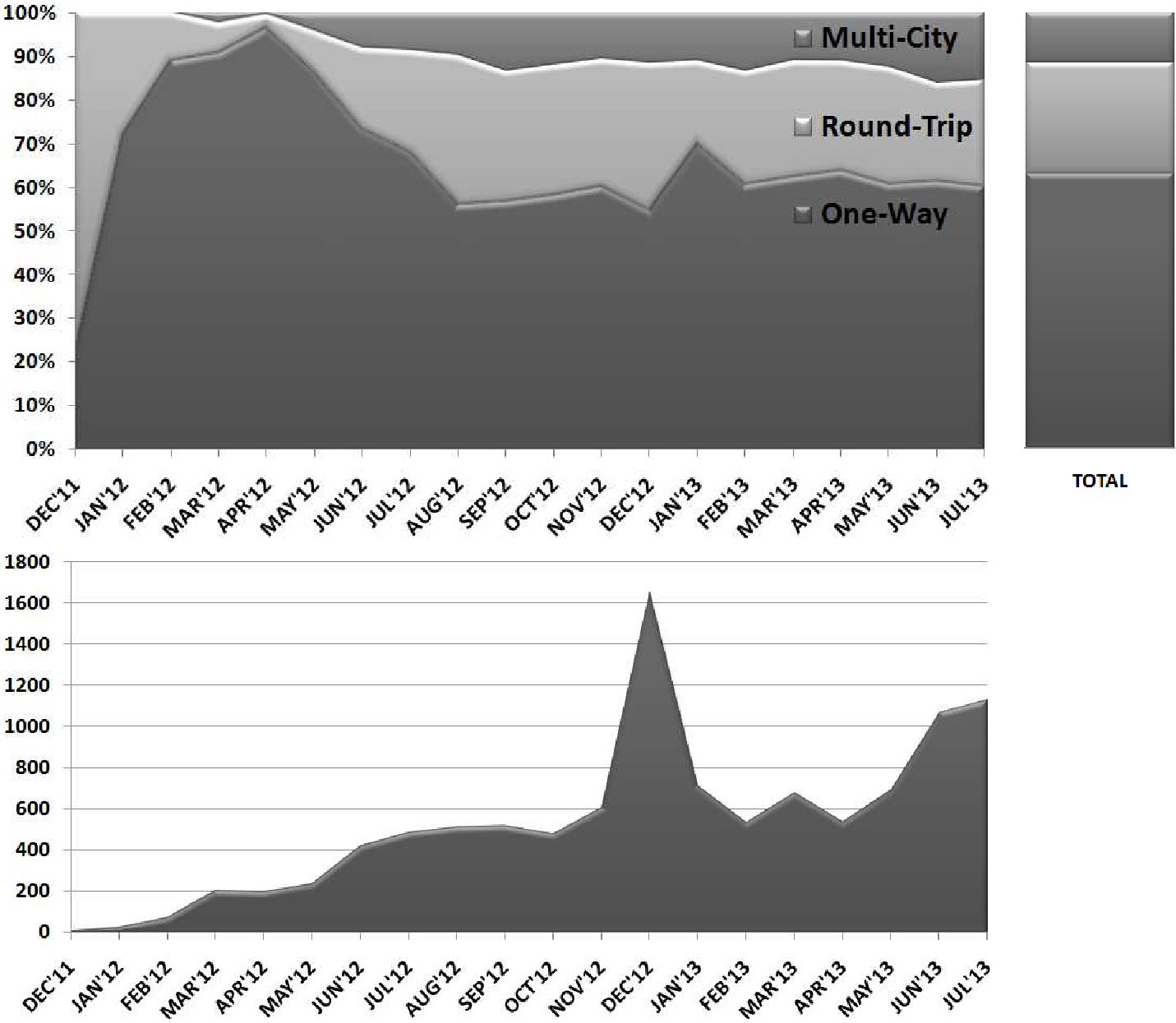
As requesters gained confidence, the tasks they posted became more complex. The paper shows a clear shift from simple one-way flights to complex multi-city itineraries. This transition is a proxy for "System Trust"—the belief that the crowd can solve high-stakes, complicated problems.
Core Insights: The Geography of Influence
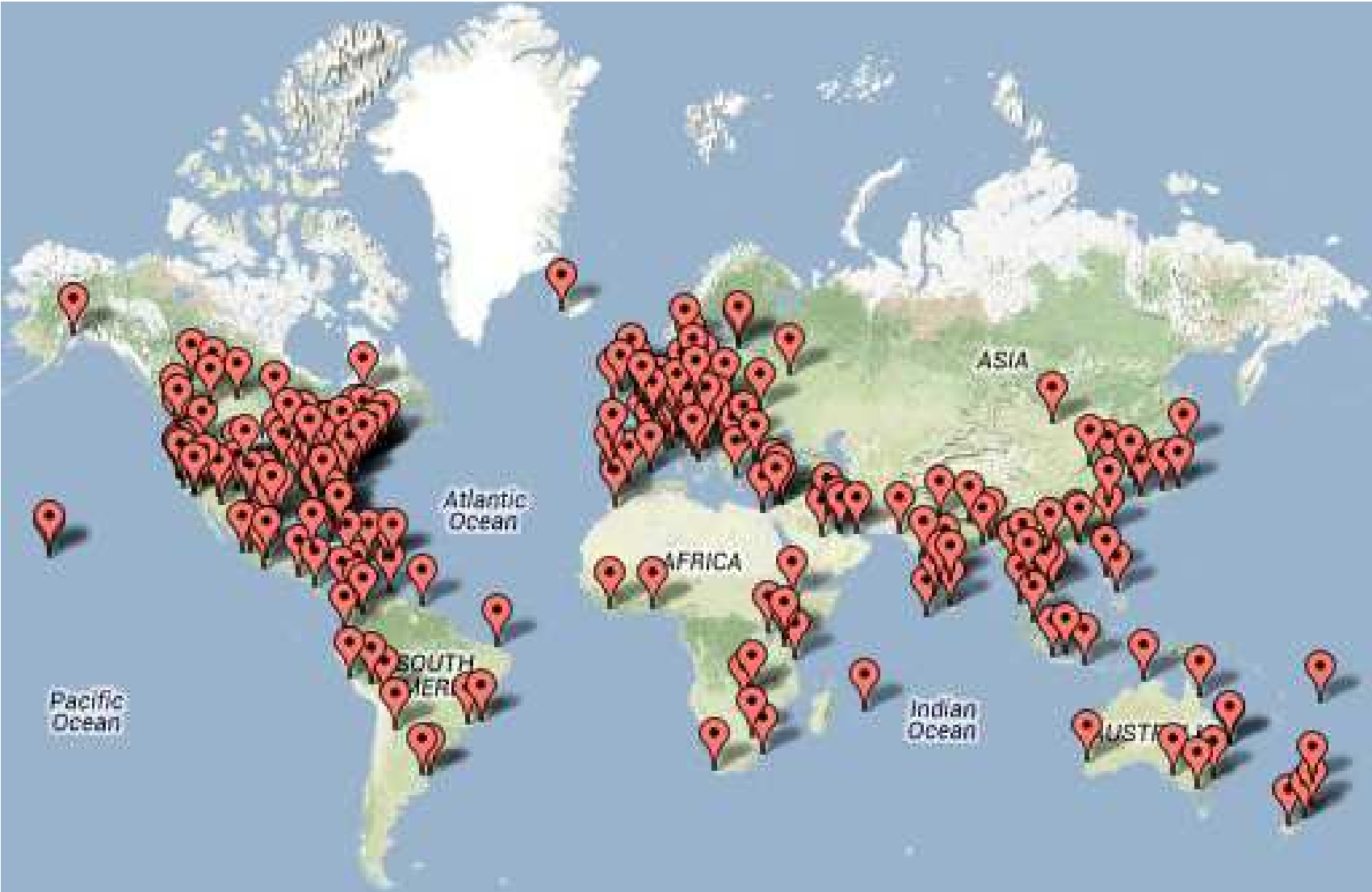
One of the most fascinating findings is the Demographical Bias. Despite being a global platform, a massive portion of the activity was centered around Australian cities (Sydney, Melbourne). Why? Because the founders were based in Australia.
This reveals a critical Inductive Bias in crowdsourcing: requesters prefer service providers from their own region, highlighting that even in a digital "global" marketplace, physical geography dictates trust and participation.
Critical Analysis & Conclusion
The study ultimately explains why Flightfox moved away from a "competitive" model to a "collaborative/expert" one. In a purely competitive environment, the "Incentive Effect" can actually discourage high-quality workers if the probability of winning is too low due to overcrowding.
Key Takeaways:
- Requester-Powered: The sustainability of a platform depends on a steady stream of "confident" requesters who trust the crowd with increasingly complex tasks.
- Price is secondary: In homogeneous tasks (like flight searching), environmental factors and task complexity influence participation more than minor price fluctuations.
- The Future: Developers of crowd-powered systems should focus on "requester experience" (UX for the person paying) to reduce churn and increase task complexity.
While the paper is limited by its focus on a single (now pivoted) platform, its findings serve as a warning to current "Gig Economy" apps: ignore the psychology of the requester at your own peril.