
Why We Click "Private": Unpacking Privacy Concerns in Social Networking
Information privacy concerns, antecedents and privacy measure use in social networking sites: Evidence from Malaysia
This study investigates the drivers of information privacy concerns and the subsequent use of privacy measures in social networking sites (SNS) within the Malaysian context. By integrating Social Cognitive Theory (SCT) and Protection Motivation Theory (PMT), the authors confirm that privacy concerns significantly predict protective behavior, achieving a structural model with a good fit (GFI > 0.90, RMSEA = 0.05).
TL;DR
This research explores what actually drives social media users to use privacy settings. By studying Malaysian students, the authors discovered that perceived severity and self-efficacy are the strongest predictors of privacy concern. Interestingly, the perceived benefits (rewards) of sharing information and the perceived effectiveness of privacy tools (response efficacy) do not significantly impact how much a user worries about their privacy.
Contextualizing the Digital Boundary
In the era of Web 2.0, social networking sites (SNS) like Facebook and Twitter (now X) transformed the Internet into a space for radical transparency. However, as users reveal personal data to maintain relationships, they face a "boundary control" dilemma. This study seeks to move beyond the general "Internet privacy" models of the early 2000s to understand the specific psychological triggers that lead an SNS user to move from concern to action.
The Psychological Engine: Why Do We Care?
The authors combine two powerful frameworks: Social Cognitive Theory (SCT) and Protection Motivation Theory (PMT). They argue that protecting privacy isn't just about fearing a threat; it's about believing you have the power to stop it.
The Drivers of Concern:
- Perceived Severity: "How bad will it be if my identity is stolen?" This was the most influential factor.
- Self-Efficacy: "Can I actually navigate these complex privacy settings?" If users feel competent, their concern translates more effectively into action.
- Perceived Vulnerability: "Is it likely to happen to me?"
- Gender: Females reported significantly higher levels of concern than males.
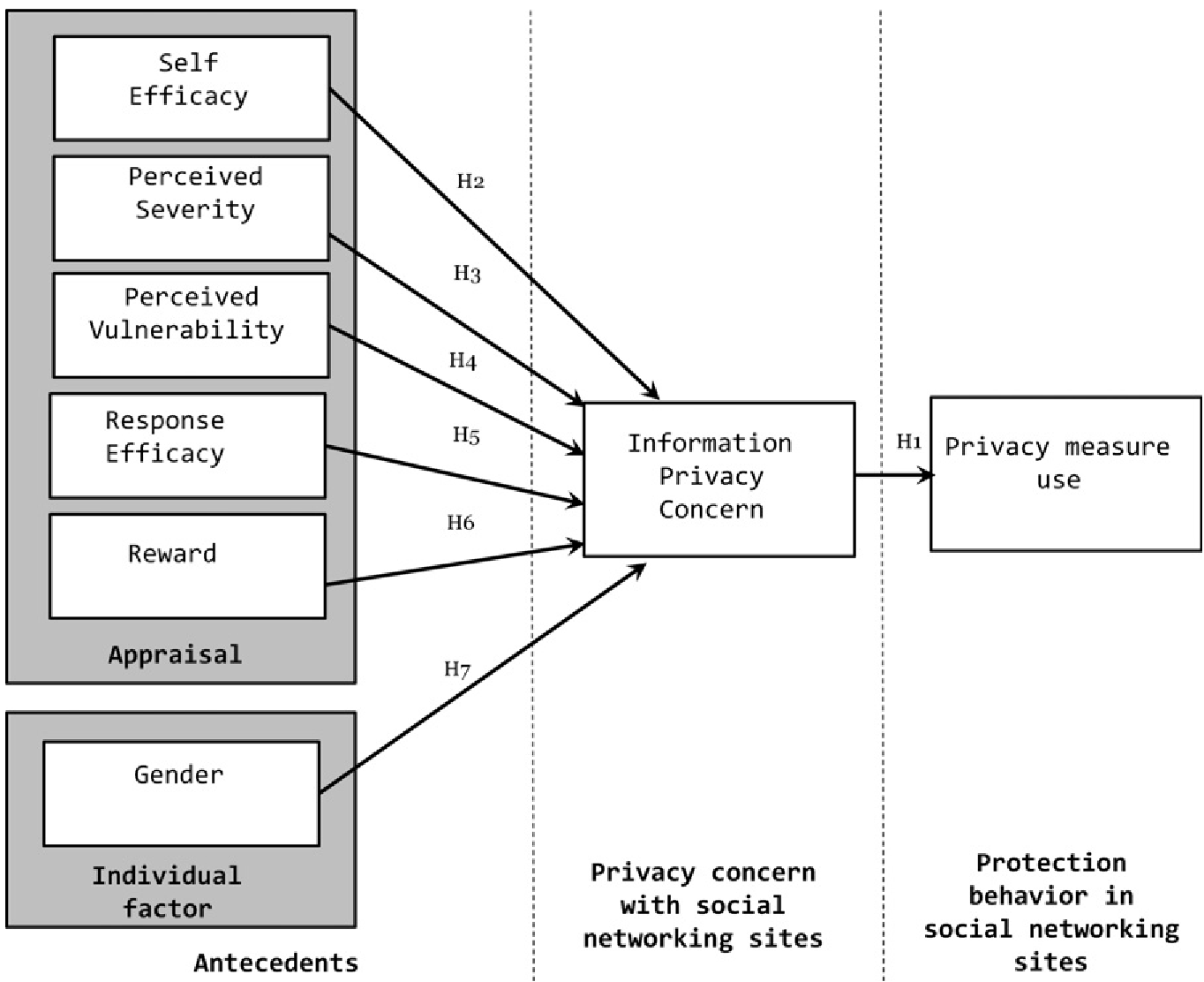 Figure 1: The Integrated Research Model combining SCT and PMT.
Surprising Non-Factors
Contrary to many previous studies in health and e-commerce, Response Efficacy (the belief that privacy tools actually work) and Rewards (the fun of games or social connection) did not influence privacy concerns. This suggests that in the social media world, our fear of "what might happen" is driven by the horror of the outcome itself, regardless of how much we enjoy the platform or how much we trust the "block" button.
Empirical Evidence & Analysis
Using Structural Equation Modeling (SEM) on a sample of 340 respondents, the authors validated that their model was a "good fit" for the data. The results showed a clear path: psychological appraisals lead to concern, and concern leads to the use of privacy measures.
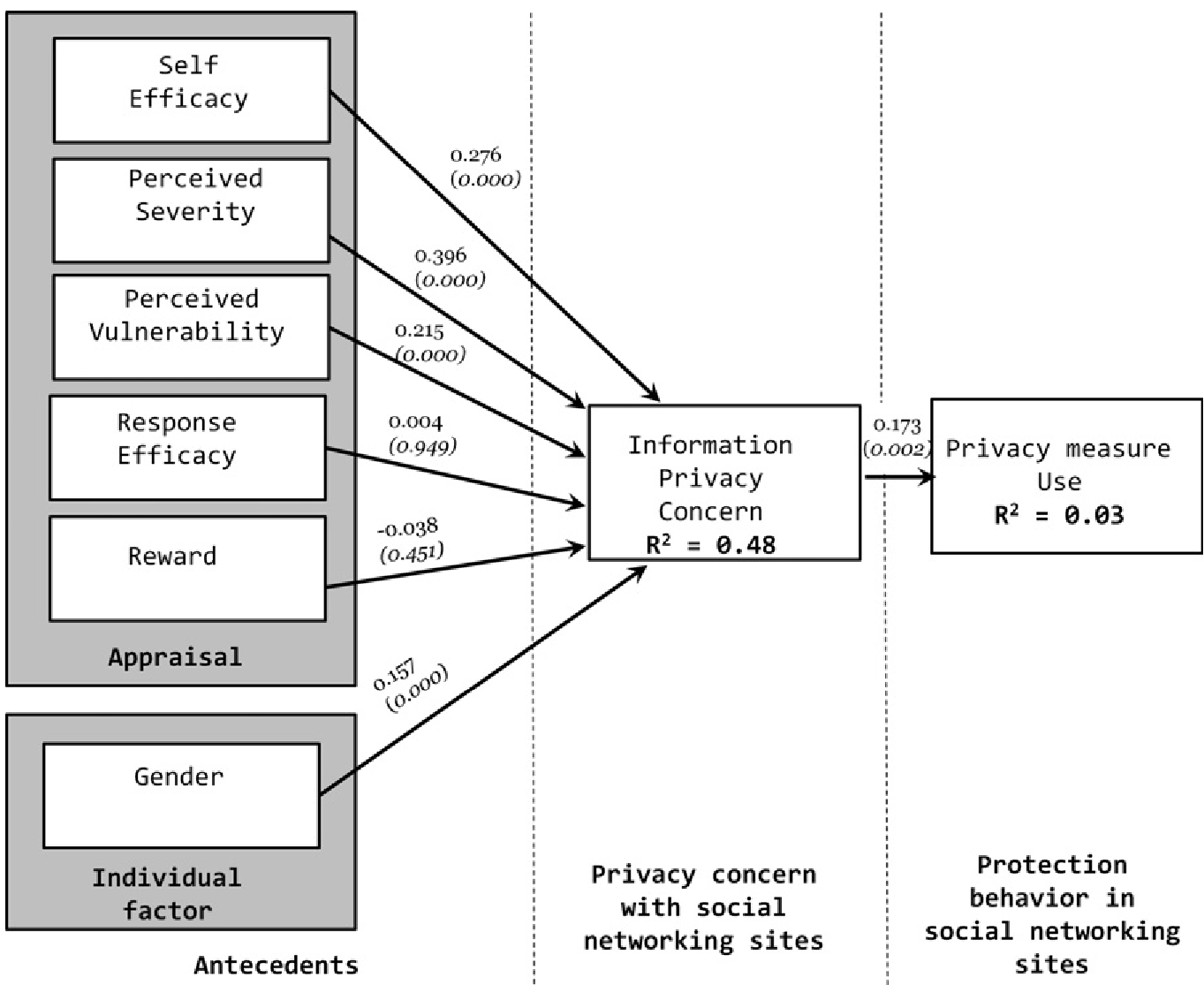 Figure 2: Statistical path coefficients showing the strength of relationships between factors.
One of the most telling statistics is that while the factors explained 48% of why people worry, privacy concern only explained 3% of actual privacy measure use. This highlights a lingering "Privacy Paradox"—we worry a lot, but we don't always change our settings.
Critical Insight & Practical Takeaways
The study’s findings offer a vital directive for platform designers and educators:
- Simplify the UI: Since Self-Efficacy is a primary driver, making privacy settings "easy to find and use" is more important than simply adding more features.
- Awareness Campaigns: Education should focus on the severity and vulnerability of data loss. If users don't believe the threat is serious or applicable to them, they won't engage with protection tools.
- Gender-Specific Approaches: Recognizing that females feel more vulnerable suggests that platforms should offer more intuitive safety features tailored to their specific concerns (e.g., photo privacy).
Conclusion
This work provides a robust empirical bridge between Western-centric privacy models and the growing digital landscape of Southeast Asia. It confirms that the road to a safer social web isn't paved with better tools alone, but with more empowered and aware users.
Limitations to Consider
While the study is statistically sound, it focuses on a single Malaysian university and a younger demographic (undergraduates). Future research must explore if these psychological patterns hold true for older users or in different cultural settings where "privacy" might have different social connotations.