
Beyond Compliance: How Institutionalizing IT Governance Transforms Civil Servant Behavior
Information Technology Governance Institutionalization and the Behavior of Individuals in the Context of Public Organizations
This study investigates the impact of IT Governance (ITG) institutionalization on the Organizational Citizenship Behavior (OCB) of civil servants in public organizations. Utilizing a multi-method approach and PLS-SEM analysis, the research confirms that formalizing and legitimizing ITG structures significantly encourages voluntary, extra-role behaviors essential for organizational success.
TL;DR
Is IT Governance (ITG) just a set of rules and audits? This research proves it is much more. By studying public organizations in Brazil, researchers found that when ITG is "institutionalized"—meaning it becomes part of the organization's norms and culture—it significantly boosts Organizational Citizenship Behavior (OCB). This leads to civil servants who are more innovative, collaborative, and dedicated to the organization’s long-term mission.
The Human Side of Governance
In the public sector, the challenge is often "perenniality"—making IT decisions that survive political cycles. While most ITG research focuses on the Regulatory Pillar (the "what" and the "who"), this paper dives into the Behavioral Pillar.
The authors argue that in highly bureaucratic settings, formal rules are often insufficient. Success relies on "extra-role" behaviors—actions employees take that aren't in their contracts but help the organization function.
Methodology: A Multi-Lens Approach
The study utilized a sophisticated methodology to bridge the gap between theory and practice:
- Exploratory Phase: Focus groups and interviews with IT managers to define "desired behaviors."
- Confirmatory Phase: A survey of 173 civil servants analyzed using Partial Least Squares Structural Equation Modeling (PLS-SEM).
The researchers looked at ITG through three institutional lenses:
- Regulatory: Rules and sanctions.
- Normative: Social behavior and obligations.
- Cultural-Cognitive: Shared understandings and effectiveness perception.
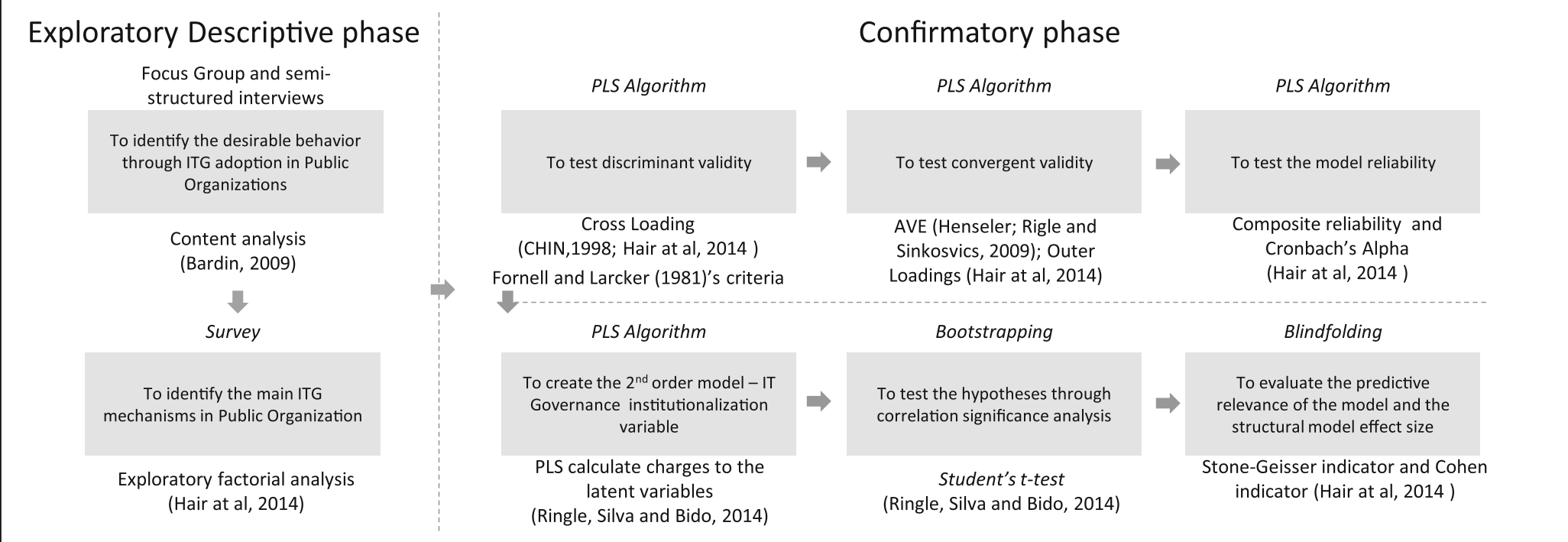 Figure 1: The research flow from exploratory focus groups to final SEM analysis.
The Core Mechanism: The Theoretical-Empirical Model
The authors hypothesized that ITG Institutionalization would positively influence four dimensions of OCB:
- Interpersonal Harmony: Team spirit and knowledge sharing.
- Individual Initiative: Proactively solving problems.
- Conscientiousness: Protecting organizational resources.
- Identification with the Organization: Defending and promoting the agency’s image.
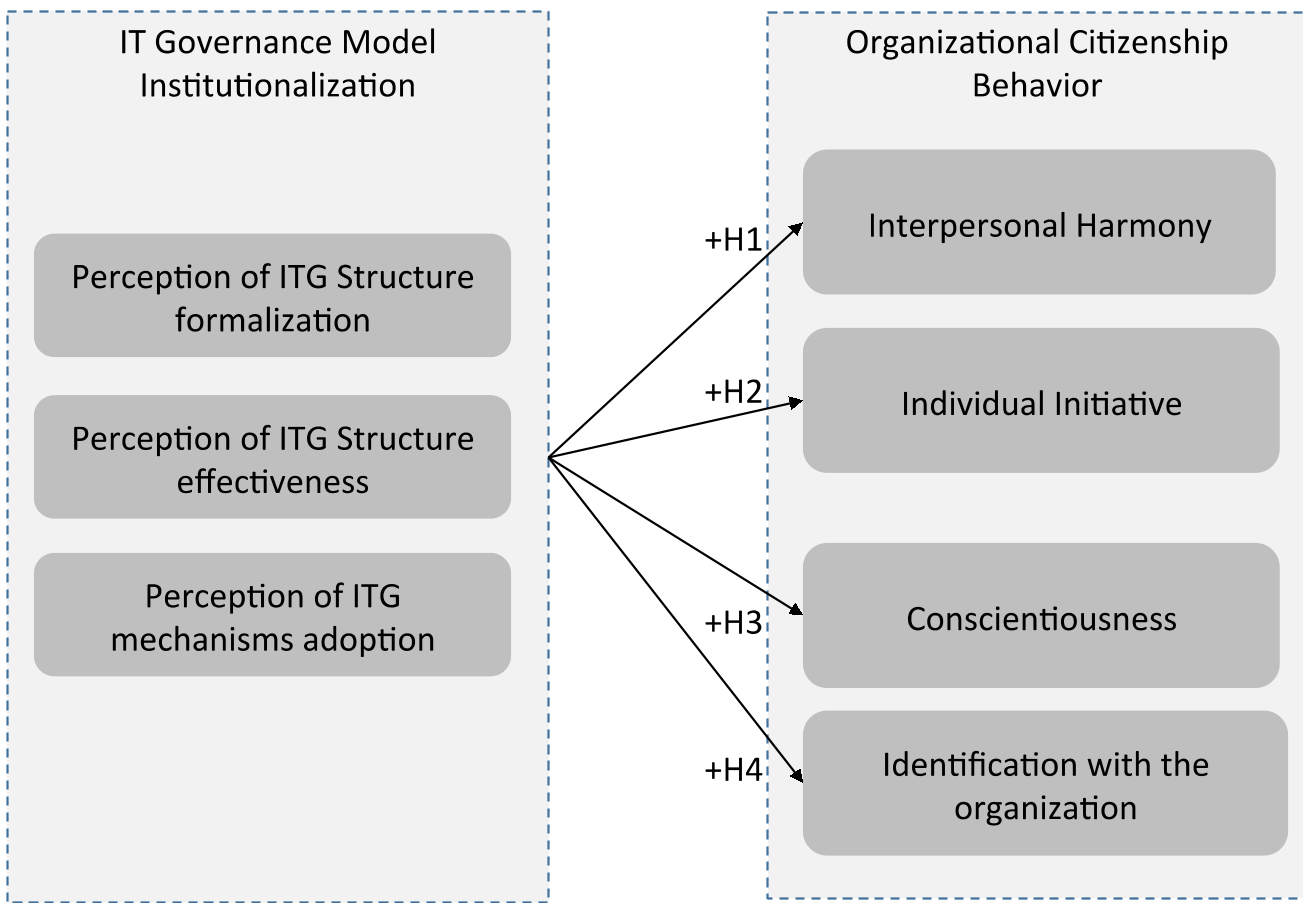 Figure 2: The structural model linking ITG Institutionalization to OCB constructs.
Key Insights and Results
The findings were striking. ITG institutionalization doesn't just "make people follow rules"; it changes their entrepreneurial mindset.
- Strongest Link: The relationship with Individual Initiative (EI) was the most significant (). If you increase ITG institutionalization by 1%, you see a substantial boost in employees' willingness to find alternative solutions.
- Public Value: By making IT decisions more transparent and equitable (the "Justice" factor), employees feel a greater sense of fairness, which triggers voluntary cooperation.
- Organizational Identity: Employees in well-governed IT environments are more likely to defend their organization's image to the external public.
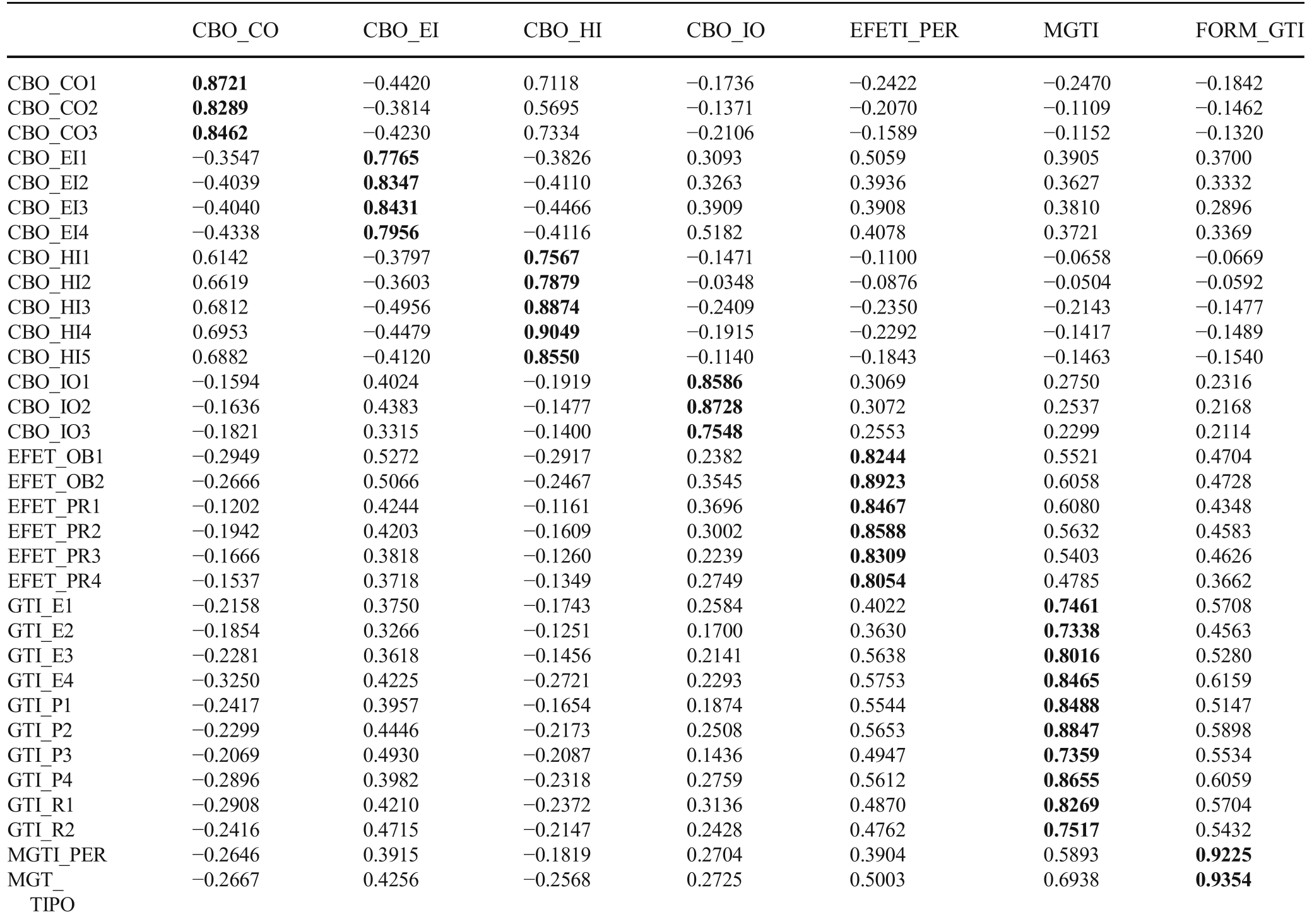 Table 1: Cross-loadings confirming the distinctiveness of the studied behavioral constructs.
Critical Analysis & Conclusion
Takeaway
IT Governance is a behavioral catalyst. When governance mechanisms are seen as legitimate and effective rather than just punitive, they create an environment where "spontaneous behavior" thrives. This is the secret sauce for "Smart Governance."
Limitations & Future Work
The study was centered in Rio Grande do Sul, Brazil. While the results are robust for this context, the authors acknowledge that cultural differences—such as degrees of bureaucracy or individualism—might alter the results in other regions. Future research should explore if these findings hold in the private sector or in different national cultures.
Final Thought: If you want a more agile, innovative IT department, stop looking only at your servers and start looking at your governance-driven culture.