
Decoding Instagram Engagement: Why Your "Humanized" Brand Strategy Might Be Failing
Insights into user engagement on social media. Findings from two fashion retailers
This study investigates user engagement on Instagram for fashion retailers H&M and Primark by analyzing 728 posts through bivariate and multivariate modeling. It introduces a multi-dimensional coding framework to identify how specific content categories, communication strategies, and formal image elements (such as the presence of faces or video formats) influence "likes" and comments.
TL;DR
A deep dive into the Instagram strategies of H&M and Primark reveals a counter-intuitive truth: showing faces and lifestyle "locations" can actually decrease user engagement. Analyzing over 700 posts, researchers found that product-only shots and targeted persuasion strategies are the true drivers of likes and comments in the fast-fashion world.
Background: Beyond the "Like" Button
In the high-stakes world of fashion retail, Instagram is the undisputed king of social engagement. However, most brands are still stuck in "Conversation 1.0"—broadcasting info rather than building community. This paper moves beyond simple metrics to ask why certain posts resonate. It positions itself as a pioneering multi-variate study that challenges the industry dogma of "humanizing" social media content.
The "Humanization" Paradox
For years, social media gurus have preached that "people buy from people," suggesting that including faces in your feed is the key to proximity. This study shatters that illusion for the retail sector.
The Interaction Friction
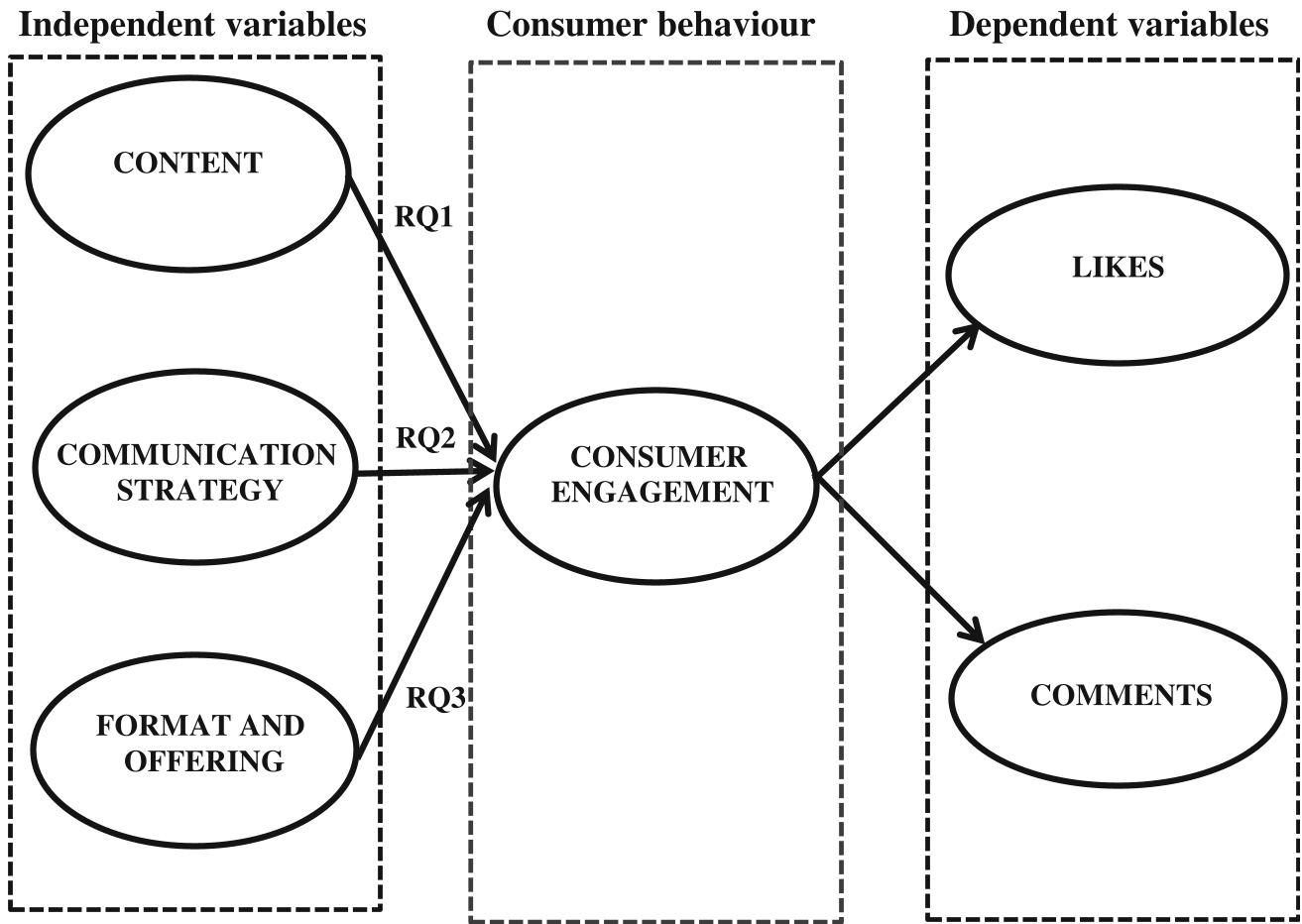
The research utilized three distinct models to categorize posts, including a customized 16-variable framework tracking everything from "Studio vs. Location" to "Video vs. Carousel."
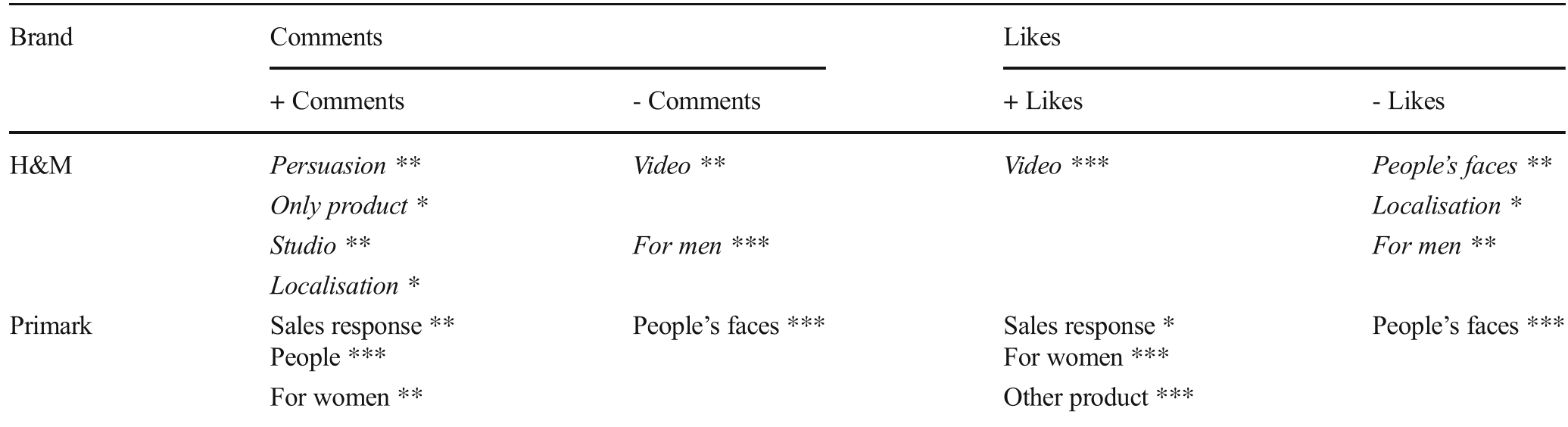
The most striking finding? People’s faces had a negative impact on engagement. While the presence of a "Body" (People variable) helped generate comments for Primark, focusing on the face specifically led to a statistically significant drop in both likes and comments for both brands.
Methodology: The Logic of the Feed
The authors didn't just count likes; they looked at the Medium and the Message.
- The Medium (Format): Video format acts as an "impulse trigger." For H&M, videos led to a massive surge in likes but a sharp decline in comments. This suggests video is excellent for rapid-fire consumption but poor for sparking dialogue.
- The Message (Strategy): Using Goor’s model, the study found that Persuasion (authority, scarcity, reciprocity) was the powerhouse for H&M, while Sales Response (direct calls to action) worked best for Primark.
Key Insights for Digital Architects
1. The Power of "Still Life"
Posts categorized as Only Product (still-life style) outperformed lifestyle shots. In the fast-fashion context, users appear to use Instagram more as a functional "style guide" or catalog rather than a place to admire artistic lifestyle photography.
2. Gender Bias in Algorithms
The data showed a clear bias: posts featuring Women's products consistently generated higher engagement. For H&M, posts featuring men actually saw a negative correlation with engagement metrics.
3. Studio vs. Wild
While "authentic" location shoots are popular, Studio environments (controlled lighting, ad-hoc sets) resulted in higher engagement for H&M. Predictability and clarity in visual communication seem to trump the "unfiltered" look in driving retail conversions.
Critical Analysis & Future Outlook
While the study is robust, it faces a few limitations. It treats "comments" as a purely numerical value, ignoring the sentiment. A post with 1,000 negative comments is treated the same as one with 1,000 positive ones.
Takeaway for Brands: If your goal is Reach (Likes), use Video and Studio-shot product photos. If your goal is Community (Comments), use Persuasion tactics and avoid "faceless" lifestyle shots—ironically, involving people is good for talk, but showing their faces might distract from the product "vibe" users are actually looking for.
The future of this research lies in AI. As the authors suggest, integrating Artificial Intelligence to analyze image data sets will allow brands to understand not just if a post worked, but which specific hex code or garment fold triggered the double-tap.