
FuzzSOP: Bridging the Intention-Behavior Gap in Website Evaluation
An integrated decision model for evaluating educational web sites from the fuzzy subjective and objective perspectives
The paper introduces FuzzSOP (Fuzzy Subjective and Objective Perspectives), an integrated decision model designed to evaluate the quality of educational websites. It combines human opinions (subjective) with automated Web log analysis (objective) using Fuzzy C-Means (FCM) clustering to bridge the gap between user intention and actual browsing behavior.
TL;DR
Evaluating a website's quality is usually a one-sided affair: either you ask users what they think (subjective) or you look at the server logs (objective). FuzzSOP is a novel decision model that integrates both using Fuzzy Set Theory. By combining the nuanced "gray areas" of human opinion with the hard data of Web browsing behavior, it provides a more accurate reflection of a site's true educational value.
Background Positioning
In the landscape of academic assessment, this work sits at the intersection of Human-Computer Interaction (HCI) and Decision Support Systems (DSS). It addresses a fundamental flaw in the Theory of Reasoned Action (TRA): the fact that users often say they like a site while their behavior (short viewing times, high bounce rates) suggests otherwise.
The Problem: The "Lying" Participant
The authors highlight a hilarious but poignant example in their appendix: while 95% of people claim in surveys to wash their hands after using a public restroom, actual observation shows only 67% do. This is the Intention-Behavior Gap.
In the context of educational websites:
- Subjective metrics are prone to social desirability bias or fatigue.
- Crisp logic (0 or 1) is too rigid; a website isn't just "Good" or "Bad"—it's often "somewhat good" (e.g., 0.8 membership in Good).
Methodology: The FuzzSOP Framework
The model operates in three distinct phases:
1. Objective Analysis (The "What")
The system analyzes Viewing Time (VT) and Page View Frequency (PVF). Instead of arbitrary cut-offs, it uses Fuzzy C-Means (FCM) Clustering.
- Insight: A user who stays long and clicks often is likely satisfied. FCM allows a website to belong to multiple quality clusters simultaneously, acknowledging the overlap in data.
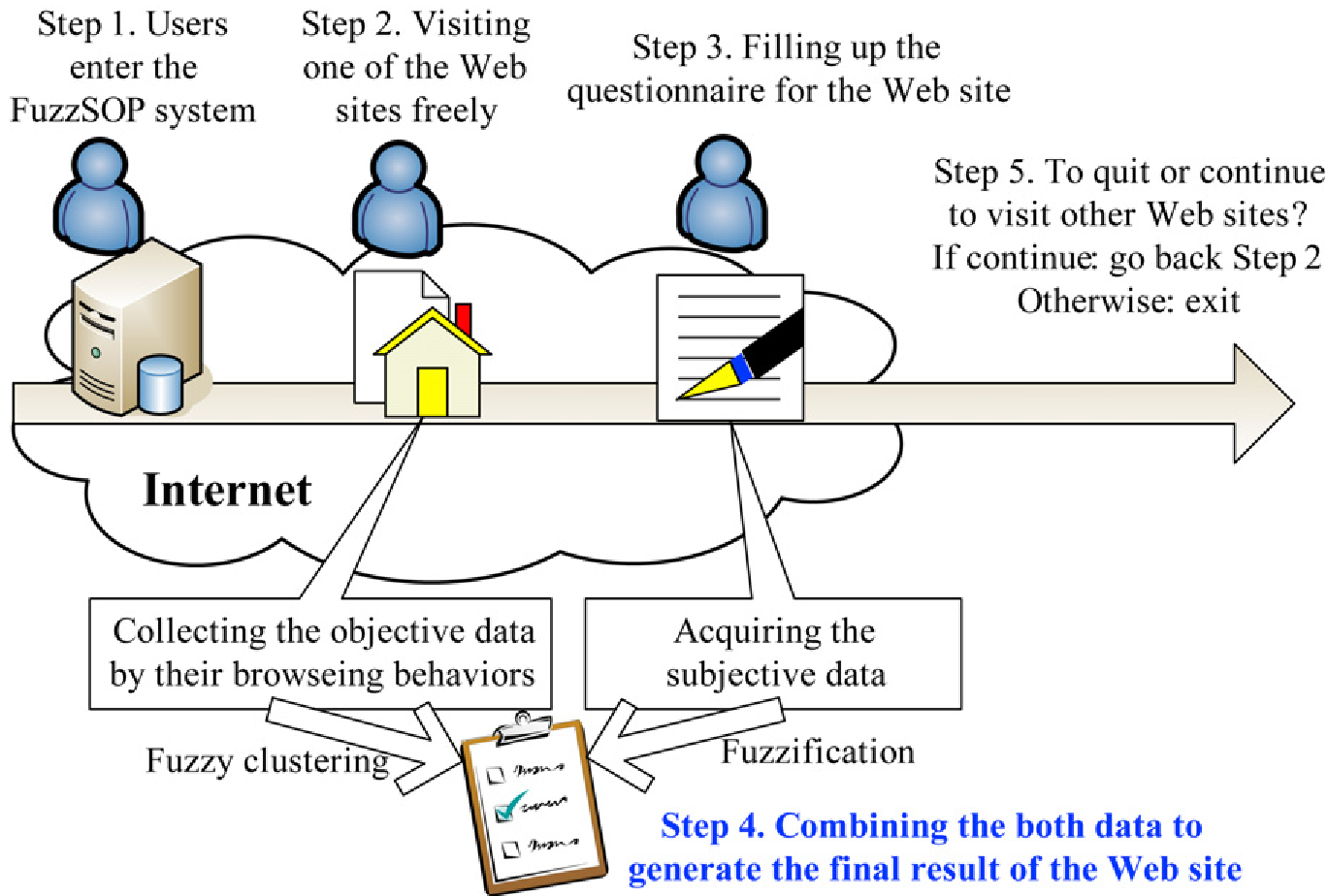 Fig 1: The overarching flow of the FuzzSOP model integration.
2. Subjective Analysis (The "Why")
Using a refined Palmer Questionnaire, users rate usability, design, and performance. These scores are then "fuzzified" into linguistic variables (Excellent, Good, Middle, Poor, Bad).
3. Weighted Synthesis
The "magic" happens in the combination procedure. Managers can assign weights ( for objective, for subjective). If a user is a "Senior" internet user, their subjective opinion might be given a higher sub-weight than a "Junior" user.
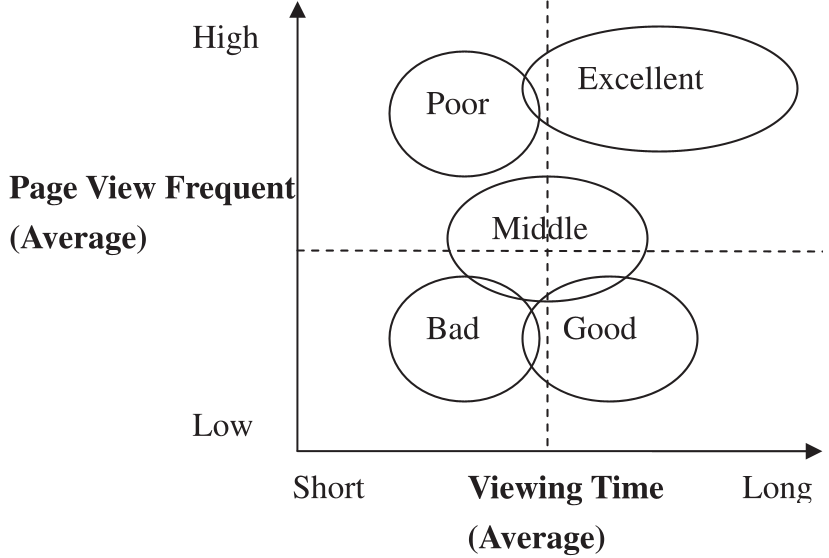 Fig 2: The iterative FuzzSOP algorithm used to reach the final evaluation.
Experimental Insights
The authors tested FuzzSOP on 24 university departments. The results were eye-opening:
- The Failure of Crisp Logic: Traditional models (CrispSOP) often mismatched professional HEEACT ratings. FuzzSOP was far more consistent.
- Identifying "Hollow" Sites: Some sites were rated "Passed" by authorities but "Bad" or "Poor" by FuzzSOP. These sites usually had rich content but terrible layouts, meaning the educational value was locked away behind a poor interface.
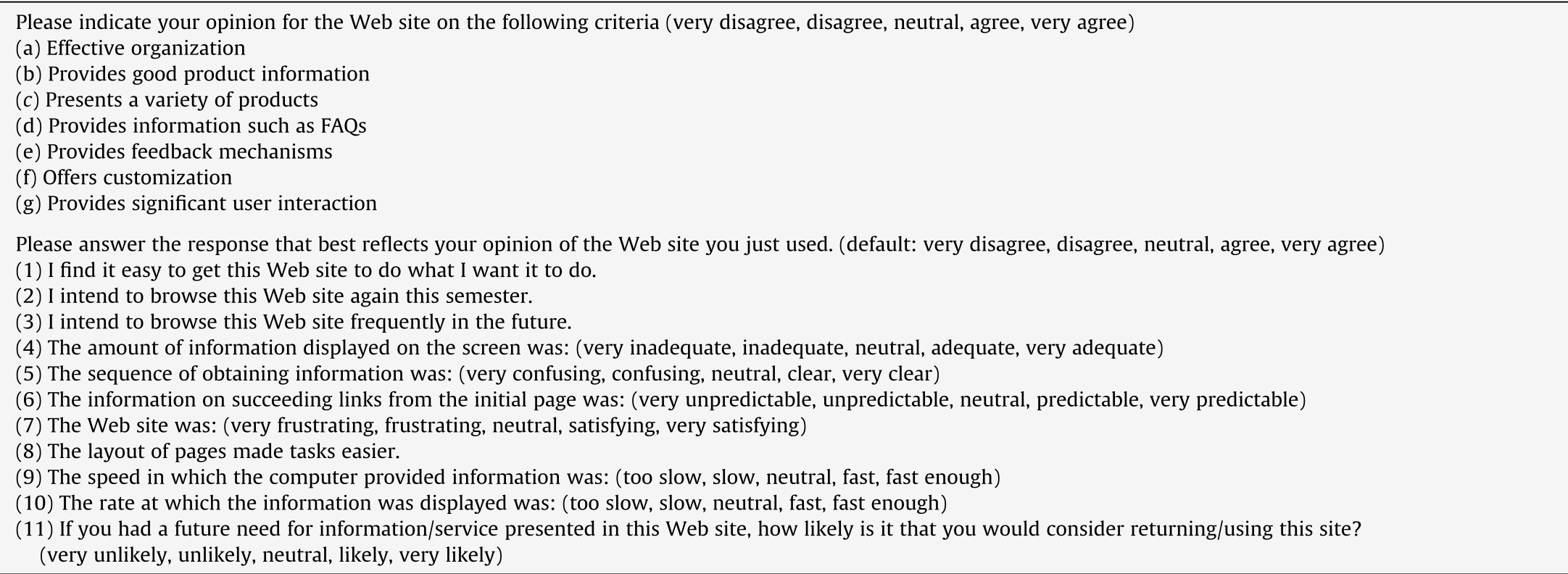 Fig 3: Visualization of website clusters based on behavior metrics.
Critical Analysis & Conclusion
Takeaway
FuzzSOP proves that quality is multi-dimensional. An educational resource is only as good as its delivery. By forcing "subjective" intentions to collide with "objective" behaviors, the model uncovers the "middle-ground" truths that binary evaluations miss.
Limitations
- Data Collection: The model requires active Web logging. In an era of increasing privacy (GDPR/tracked-less browsing), gathering objective data has become more difficult than in 2010.
- Contextual Scaling: The study used a small sample of 104 participants. Scaling this to a global MOOC platform would require more robust computational resources.
Future Work
The authors suggest this model should be the new standard for ICT-intensive environments, such as ERP systems and E-commerce. In today's world, applying FuzzSOP to AI-driven interfaces—where the "behavior" is interaction with a chatbot—could provide fascinating insights into AI trust and usability.