
From Words to Wisdom: Elevating Text Classification with Integrated Ontologies and "Bag-of-Concepts"
Using an integrated ontology database to categorize web pages
The paper introduces a semantic text classification system that replaces the traditional Vector Space Model (VSM) with a "Bag-of-Concepts" (BOC) framework. By integrating multiple RDF ontologies (WordNet, OpenCyc, SUMO) and utilizing Natural Language Processing (NLP) for word sense disambiguation, the authors achieve superior classification performance using Support Vector Machines (SVM).
TL;DR
Researchers have long struggled with the limits of the Bag-of-Words (BOW) model, which treats language as a flat collection of tokens. This paper breaks that ceiling by proposing a Bag-of-Concepts (BOC) framework. By mapping raw text to an integrated RDF ontology database (including WordNet and Cyc), the system understands that a "mouse" in a tech blog is a device, not a rodent, boosting classification accuracy by up to 6.5% in specialized domains.
The Semantic Gap: Why BOW is Fading
The fundamental flaw in modern text classification isn't the machine learning algorithm (like SVMs or Transformers), but the representation of the data. The "Bag-of-Words" approach suffers from two classic linguistic hurdles:
- Polysemy: A single word like "bank" can mean a financial institution or the side of a river.
- Synonymy: Different words like "physician" and "doctor" are treated as unrelated features, diluting the statistical power of the model.
The authors argue that these "negative conclusions" regarding semantic features in the past were premature. The secret lies in how we represent and align external knowledge.
Methodology: The "Bag-of-Concepts" Engine
The core of the proposed system is the transformation of a standard word matrix into a Concept-based matrix. This involves a sophisticated pipeline:
1. Multi-Ontology Integration
Instead of relying on a single source, the authors use the Jena API to parse and merge three major knowledge bases into a relational database:
- WordNet: For general lexical relations.
- OpenCyc: For common-sense knowledge.
- SUMO: For top-level abstract concepts.
2. Context-Aware Mapping
To solve the disambiguation problem, the system doesn't just look at the word; it looks at the Context (). The mapping score () is defined by the intersection of the document's vocabulary and the concept's ontological neighborhood:
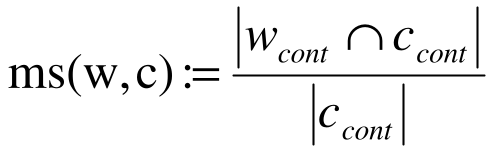
By comparing synonyms, sub-concepts, and super-concepts, the algorithm identifies the most likely "meaning" of a word within its specific document environment.
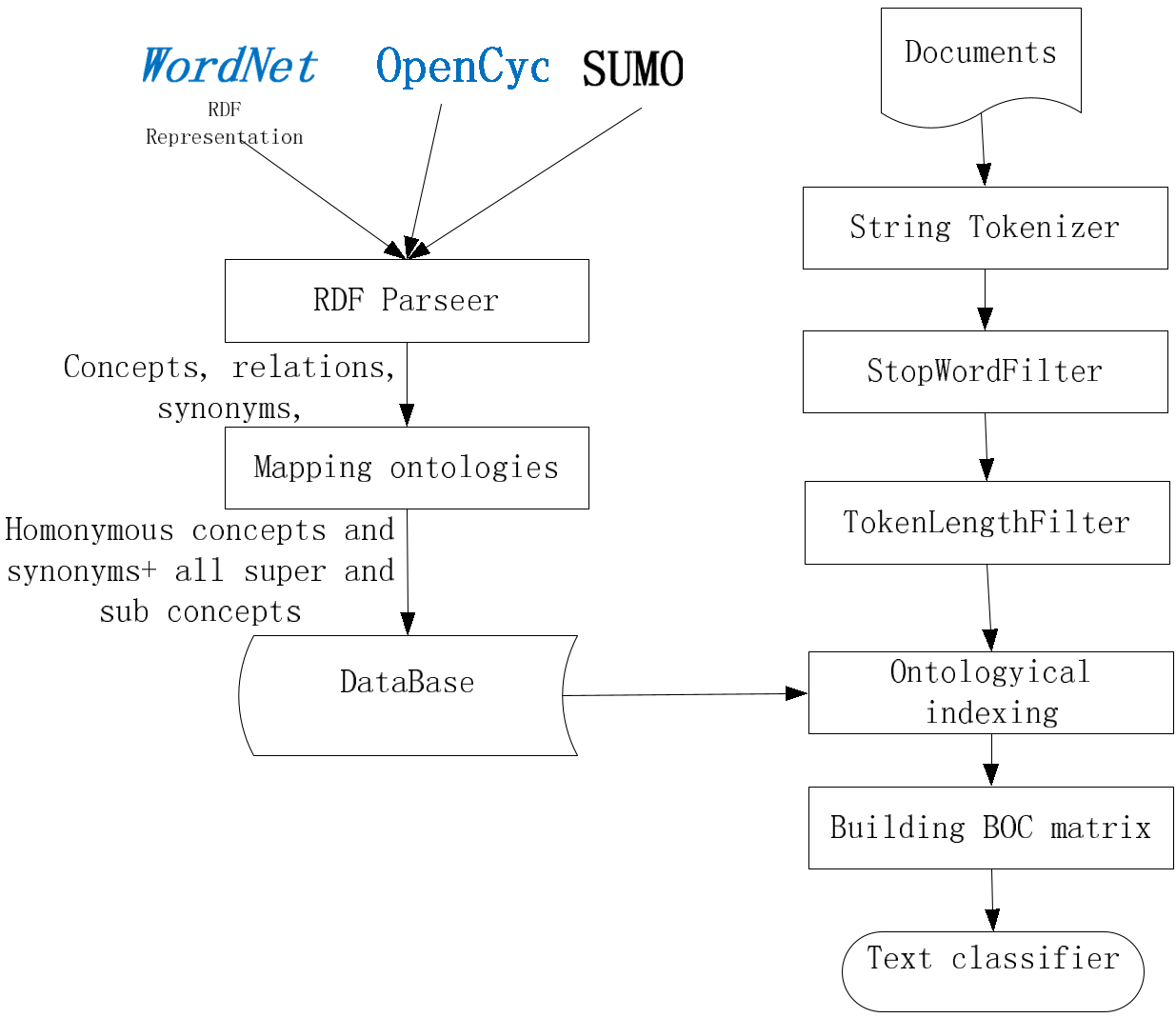 Figure 1: The proposed system flow, from RDF parsing to SVM classification.
Experimental Proof: Domain Matters
The researchers tested their BOC model against the standard BOW model across three major datasets:
- Reuters-21578: General news.
- 20 Newsgroups: Internet forum posts.
- OHSUMED: Medical abstracts.
Key Findings
The performance boost was most dramatic in the OHSUMED dataset. Why? Because medical terminology is riddled with complex synonyms and multi-word expressions that a simple word-counter cannot grasp.
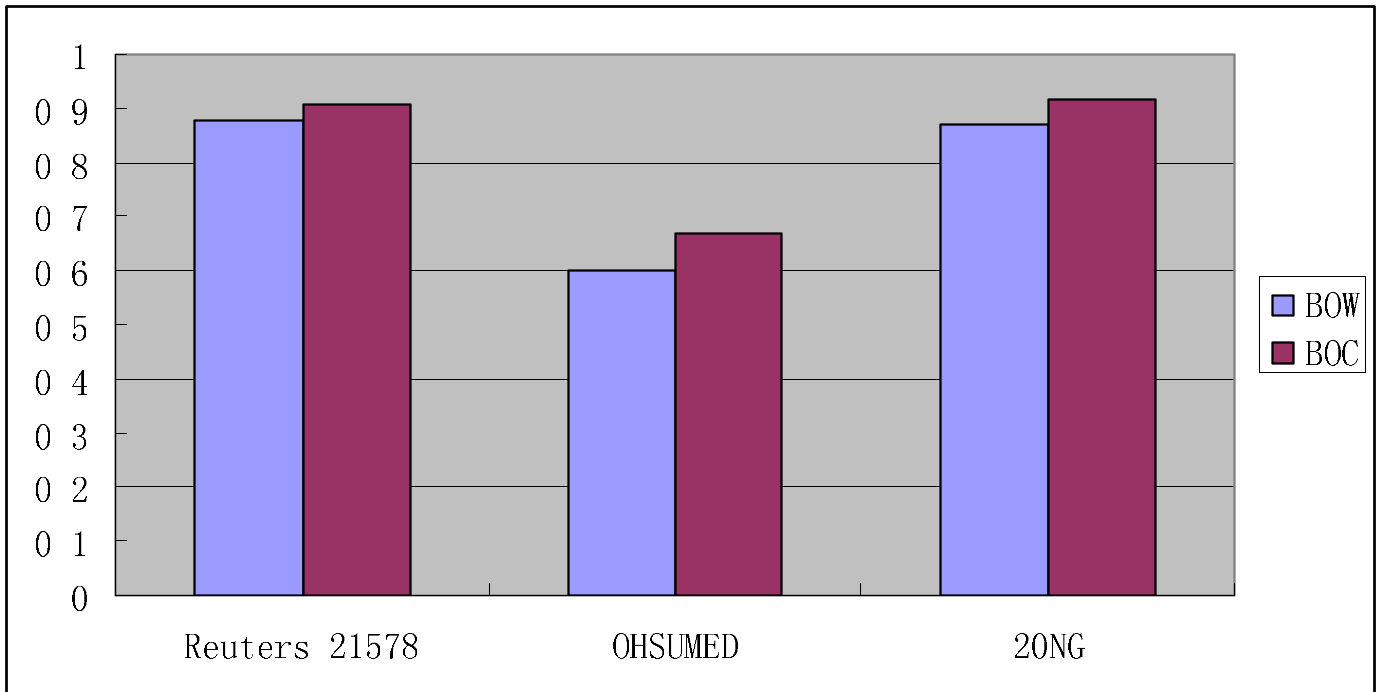 Figure 2: Significant gains in Macro-F1 scores, particularly in domain-specific tasks.
The study found a relative improvement of 6.5% for Macro-F1 on OHSUMED. The Macro-F1 metric is particularly telling—it shows that the BOC model helps significantly with "rare" or "small" categories where data is scarce, but conceptual links are strong.
Critical Analysis & The Road Ahead
While the BOC model shows clear advantages, the authors acknowledge a hurdle: Ontology Insufficiency. In general datasets like Reuters, if the ontology doesn't contain a specific contemporary term, the system reverts to basic indexing.
Future Outlook: The next frontier is the automated expansion of these ontologies. By creating "Associative Concept Graphs," the researchers aim to move beyond fixed hierarchies (Is-A relations) into more fluid, associative learning. This work serves as a vital reminder: in the age of AI, the depth of your knowledge base is just as important as the depth of your neural network.
Conclusion (Takeaway)
By bridging the gap between Natural Language Processing and Formal Ontologies, this paper demonstrates that meaning-aware indexing can substantially outperform frequency-aware indexing. For industries like healthcare, legal, or finance, adopting a "Bag-of-Concepts" approach is not just an optimization—it’s a necessity for accuracy.