
Social virtPresenter: Turning Lecture Recordings into Virtual Lecture Halls
Integrating Lecture Recordings with Social Networks
This paper introduces "social virtPresenter," a system that integrates lecture recordings with social networks (specifically Facebook). By leveraging social APIs, it transforms solitary video viewing into a collaborative learning experience using the social graph to facilitate peer interaction and user awareness.
TL;DR
The "Social virtPresenter" project bridges the gap between passive video learning and active social networking. By integrating lecture recordings directly into Facebook, the system allows students to see their friends' progress, chat in real-time, and collectively index course content, effectively recreating the social fabric of a university campus in a digital environment.
Problem & Motivation
Despite the convenience of digitized lectures, the transition from the physical classroom to the screen has stripped away the social graph of learning. In a physical hall, you know who is sitting next to you, you see what your peers are highlighting, and you can whisper a quick question to a neighbor.
Existing Lecture Recording Systems (LRS) treat the student as an isolated consumer. The authors argue that learning is inherently social. Their motivation was to leverage the then-emerging APIs of social networks (like Facebook) to inject "User Awareness" back into the multimedia learning process.
Methodology: The Social-Multimedia Fusion
The core of the system is the integration of the virtPresenter framework with the Facebook Social Graph. The architecture is divided into four distinct layers: the User Layer, the Facebook Gateway, the Social virtPresenter Logic, and the virtPresenter Back-end.
1. Collaborative Navigation (Social Scrubber & Footprints)
One of the most innovative features is the Social Scrubber. Instead of a lonely playhead, the timeline displays avatars of friends at their current playback positions.
Complementing this is Footprints, a visualization technique developed in collaboration with the University of Pittsburgh. It creates a heatmap on the timeline:
- Intensity of color indicates the frequency of views.
- Contextual filtering allows users to see either their own history, their study group’s activity, or the global student body's hotspots.
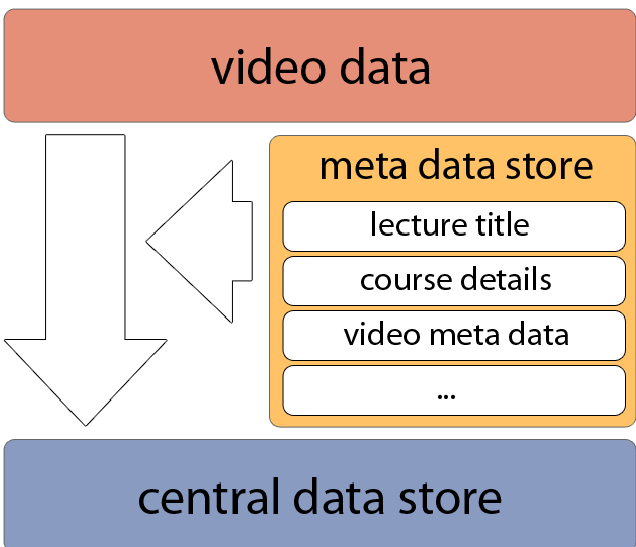 Figure 1: The data flow shows how social metadata from Facebook is merged with video streams from the virtPresenter backend.
2. Multi-Layer Communication
The system moves beyond simple comments by providing three layers of interaction:
- Course Bulletin Boards: For high-level, persistent administrative or exam-related queries.
- Time-Anchored Comments: Using AJAX to allow users to tag specific parts of a video with questions. This effectively "indexes" the lecture via crowdsourcing.
- Live Chat/Whisper Mode: A volatile medium for quick, real-time sync-ups (e.g., "What did he just write on the board?").
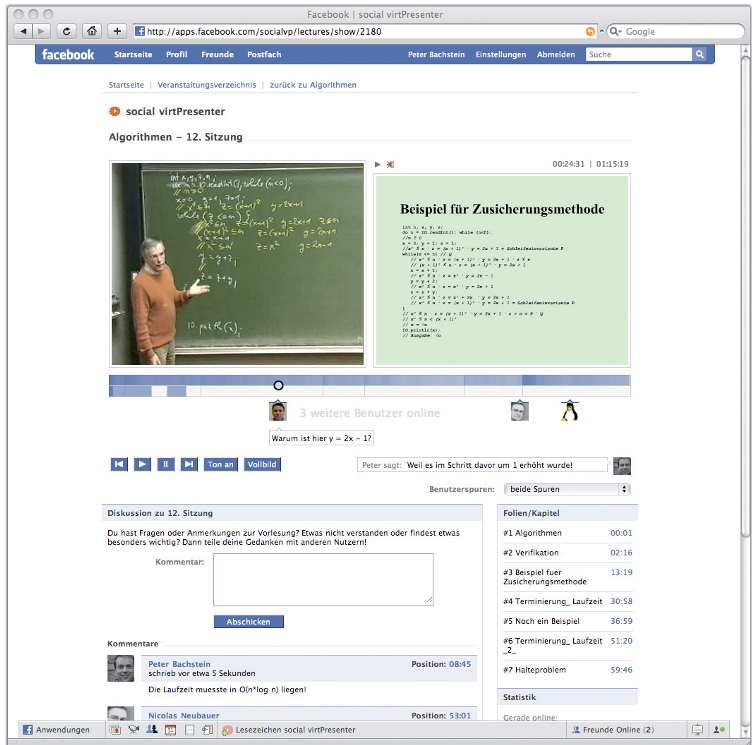 Figure 2: The integrated UI showing the video player alongside social indicators and navigation tools.
Experiments & Results
The "social virtPresenter" was deployed as a Facebook application. Key findings from the implementation phase include:
- Personalized Onboarding: By knowing a user’s friends, the system could suggest relevant lectures immediately ("Your friends liked this..."), reducing the "cold start" problem in learning management.
- User Awareness: The "Who's Online" indicator (shown below) successfully created a sense of presence, encouraging students to start sessions when they saw peers active.
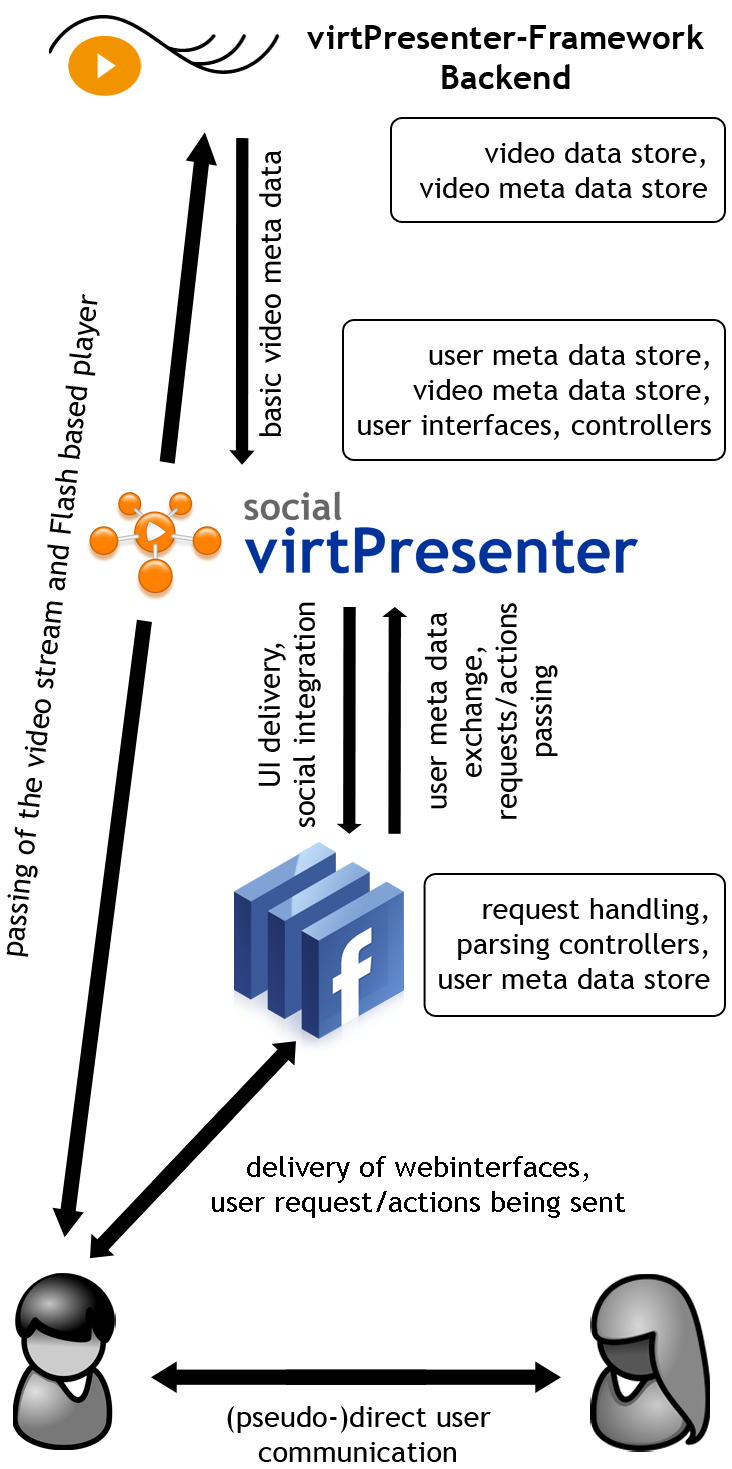 Figure 3: Real-time presence indicators linked to Facebook profiles.
Critical Analysis & Conclusion
Takeaway
This paper was ahead of its time in recognizing that metadata is social. The "Social Scrubber" is a precursor to the "most replayed" features we see on modern platforms like YouTube, but with an added layer of personal identity that fosters accountability and peer support.
Limitations
- Privacy Concerns: While the paper focuses on the benefits of the social graph, the implications of sharing "Footprints" and real-time viewing status (even within a password-protected study group) require careful ethical consideration.
- Platform Dependency: The architecture was heavily tied to the Facebook API of the late 2000s, which has since changed significantly regarding data privacy and third-party app access.
Future Outlook
The authors pointed toward the OpenCast Initiative and Google’s OpenSocial, suggesting a move toward more open, standardized protocols for social educational tools. Today, this work lives on in the spirit of "Social Learning Environments" (SLEs) and collaborative annotation tools like Perusall.