
The Naviga Project: Bridging the Digital Divide via Integrated Gerontechnology
Integrating Personalized Health Care and Information Access for Elder People
The Naviga Project introduces an open and adaptable technological platform designed to bridge the digital divide for the elderly and persons with disabilities. It integrates a Service-Oriented Architecture (SOA) to provide multi-channel access (PC, TV, Mobile) to the Information Society, featuring specialized tools for social networking, mind training, and personalized e-Health services.
TL;DR
As the global population ages, the "Information Society" risks leaving the elderly behind due to complex interfaces and declining physical abilities. The Naviga Project introduces a comprehensive, open-source platform that simplifies digital access. By combining personalized e-Health monitoring, social networking, and cognitive "mind training" into a single adaptive interface, it aims to increase autonomy and well-being for seniors and people with disabilities.
Problem & Motivation: The Invisible Barrier
By 2050, the ratio of workers to pensioners in Europe is expected to shift from 4:1 to 2:1. This demographic shift places immense pressure on healthcare systems. While technology should be the solution, the elderly often face:
- Cognitive and Motor Decline: Traditional PCs are not designed for users with reduced dexterity or memory loss.
- Technological Alienation: A lack of interest or fear of "breaking" complex systems leads to digital exclusion.
- Isolation and Boredom: Living in care facilities often results in a loss of social agency, which further accelerates mental decline.
The authors argue that current assistive technologies are fragmented—they focus on specific disabilities but fail to provide a unified, user-friendly ecosystem.
Methodology: An Adaptive "Shell" for the Information Society
The core of the Naviga Project is its Common Access Platform (CAP). Instead of forcing seniors to learn a complex operating system, Naviga provides a "shell" that runs on top of the OS, offering a simplified, consistent interface across PCs, TVs, and mobile devices.
The Architecture
The system is built on Service-Oriented Architecture (SOA), which allows for:
- Interoperability: Different hardware (like smart pill dispensers or VR gloves) can "talk" to the same platform via a common API.
- Multimodality: Users can interact via voice commands, touch, or specialized input devices, bypassing the traditional keyboard.
- Rapid Deployment: New services like "Mind Training" games can be added without rewriting the underlying architecture.
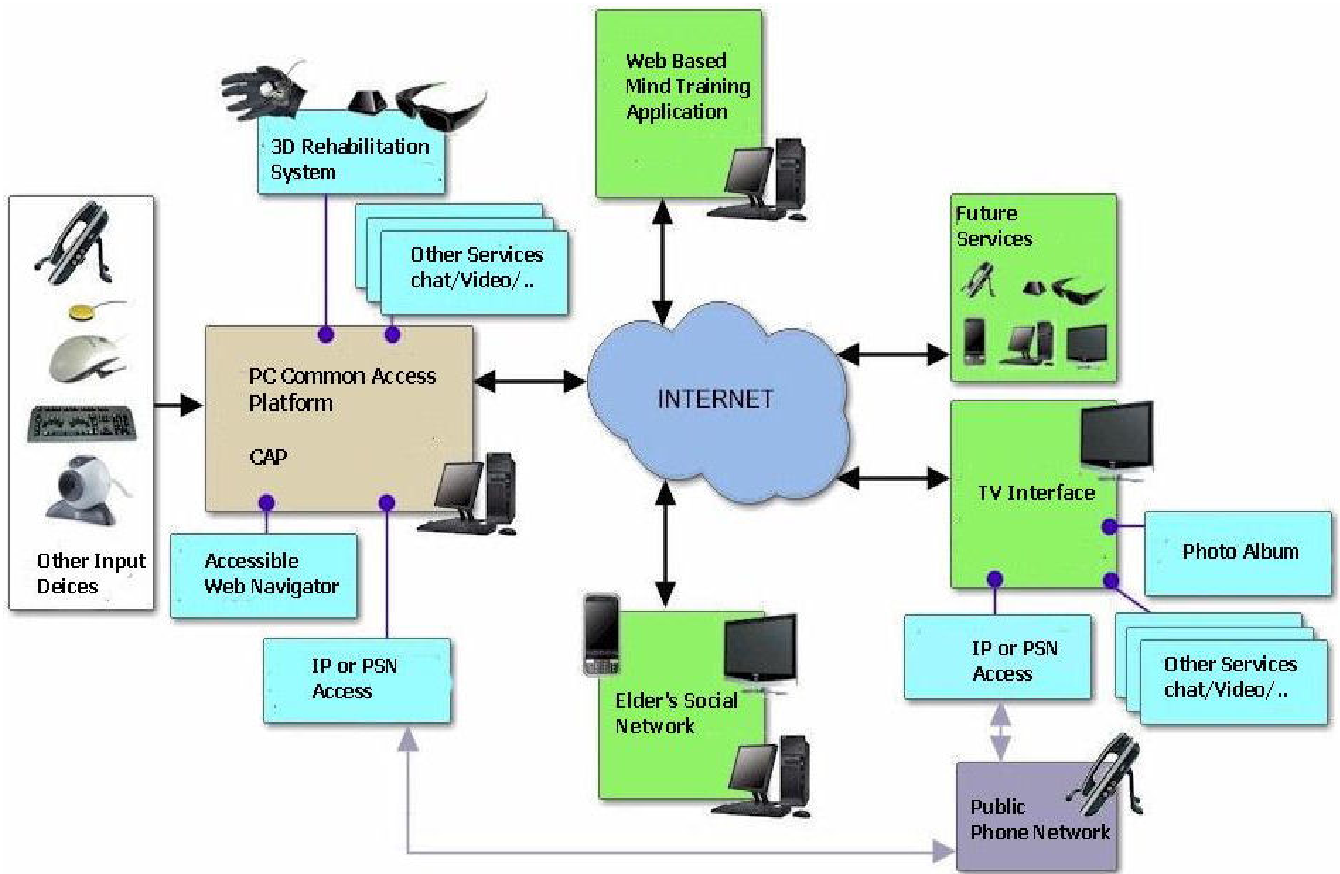 Figure 1: The high-level architecture showing the integration between specialized devices and the Common Access Platform.
Personalized Health and Social Integration
Naviga doesn't just provide internet access; it provides purpose. The platform features:
- Mind Training: Games designed to enhance eye-hand coordination and memory.
- Social Networks: Areas dedicated to people with similar disabilities to share advice on support products.
- Experimental e-Health: Using high-accuracy sensing gloves (22 degrees of freedom) for virtual reality physiotherapy.
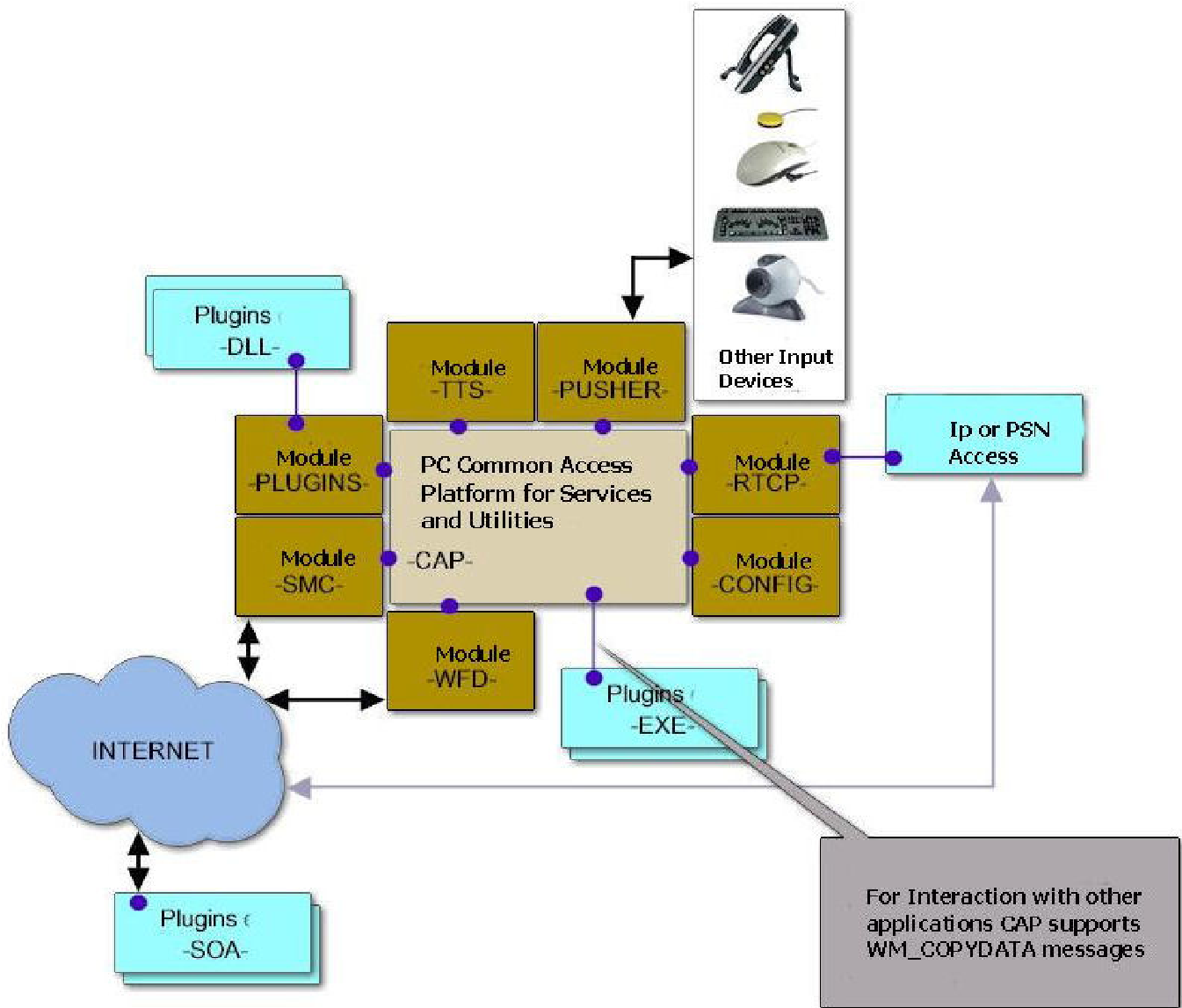 Figure 2: Detail of the Common Access Platform modules, including Text-to-Speech and file management.
Experiments & Results: Real-World Validation
The paper outlines two primary case studies to prove the platform's efficacy:
- Scenario A (Home-based Rehabilitation): Utilizing VR and sensing gloves to allow patients to perform physiotherapy at home while being monitored remotely by hospital staff.
- Scenario B (Daily Care Center): Implementing the platform in a Madrid-based health center to test the web browser and social networking tools with actual end-users.
Initial findings emphasize that digital engagement is a form of preventative medicine. By keeping the mind active and maintaining social ties, the platform helps prevent the "premature degeneration of mental activity."
Critical Analysis & Conclusion
Takeaway
The Naviga Project represents a shift from "assistive tools" to "assistive ecosystems." The use of SOA and open standards (Java EE, JavaScript) ensures that the platform is not a closed silo but a foundation that can grow with new medical IoT developments.
Limitations & Future Work
While the platform is robust, the paper notes that the "diversity of users" remains a hurdle. Designing a single web browser that works for someone with visual impairment and someone with motor tremors is a massive UI/UX challenge. Future iterations will likely need to leverage more aggressive AI-driven personalization to automatically adjust interfaces based on real-time user performance.
In conclusion, the integration of health monitoring into a social and information platform is not just a convenience—it is a necessity for the sustainability of our aging global society.