
Intelligent E-Marketing: Bridging Web Mining and Personalized User Interfaces
Intelligent E-marketing with Web Mining, Personalization, and User-Adpated Interfaces
This paper introduces an intelligent E-marketing architecture that integrates Web Mining and user-adapted interfaces to personalize the E-commerce experience. It leverages Decision Tree induction and Conceptual Clustering to transform raw clickstream data and user profiles into actionable marketing insights and adaptive multimedia presentations.
TL;DR
In the highly competitive E-commerce landscape, understanding the "digital footprint" of a customer is the difference between a sale and a bounce. This paper proposes a sophisticated architecture that integrates Data Mining (specifically Decision Trees and Conceptual Clustering) with Adaptive Interfaces. By separating user behavior into short-term and long-term models, the system creates a self-evolving sales assistant that respects user privacy while maximizing marketing precision.
The Motivation: Moving Beyond "Cheap Propaganda"
The authors argue that many companies mistakenly view the web as a mere extension of traditional marketing or "cheap institutional propaganda." In reality, web sales require the same—if not higher—levels of competent counseling found in physical stores. The core challenge is that users dislike lengthy questionnaires. Therefore, the "treasure" lies in the data they leave behind: Clickstreams, Server Logs, and Cookies. The goal is to convert these silent signals into an intelligent, entertaining, and multimedia-rich presentation tailored to each visitor.
Methodology: The Engine of Personalization
The proposed system architecture is built on a feedback loop between data acquisition and interface adaptation.
1. The Data Hierarchy
The system captures data at multiple levels:
- Server/Cookie Logs: Tracking IP addresses, session durations, and click paths.
- User Entry Data: Voluntary profiles and lifestyle information.
- Web Meta Data: The structural topology of the site itself.
2. Dual-Layer User Modeling
A key highlight of the methodology is the handling of Concept Drift—the phenomenon where a user’s interest shifts rapidly. The authors propose a hybrid model:
- Short-Term Model: Learned from the most recent observations to adjust rapidly to current browsing intent.
- Long-Term Model: Represents general, stereotypical preferences (e.g., brand loyalty) accessed when the short-term model lacks sufficient data.
3. Decision Trees & Conceptual Clustering
Instead of using "Black Box" models, the authors advocate for Decision Tree Induction.
- Why? It acts as a feature selector, identifying which attributes (like marital status or browsing path) actually matter for a sale.
- Visual Logic: The "IF-THEN" rules generated are interpretable by marketing managers, allowing for human-in-the-loop strategy adjustments.
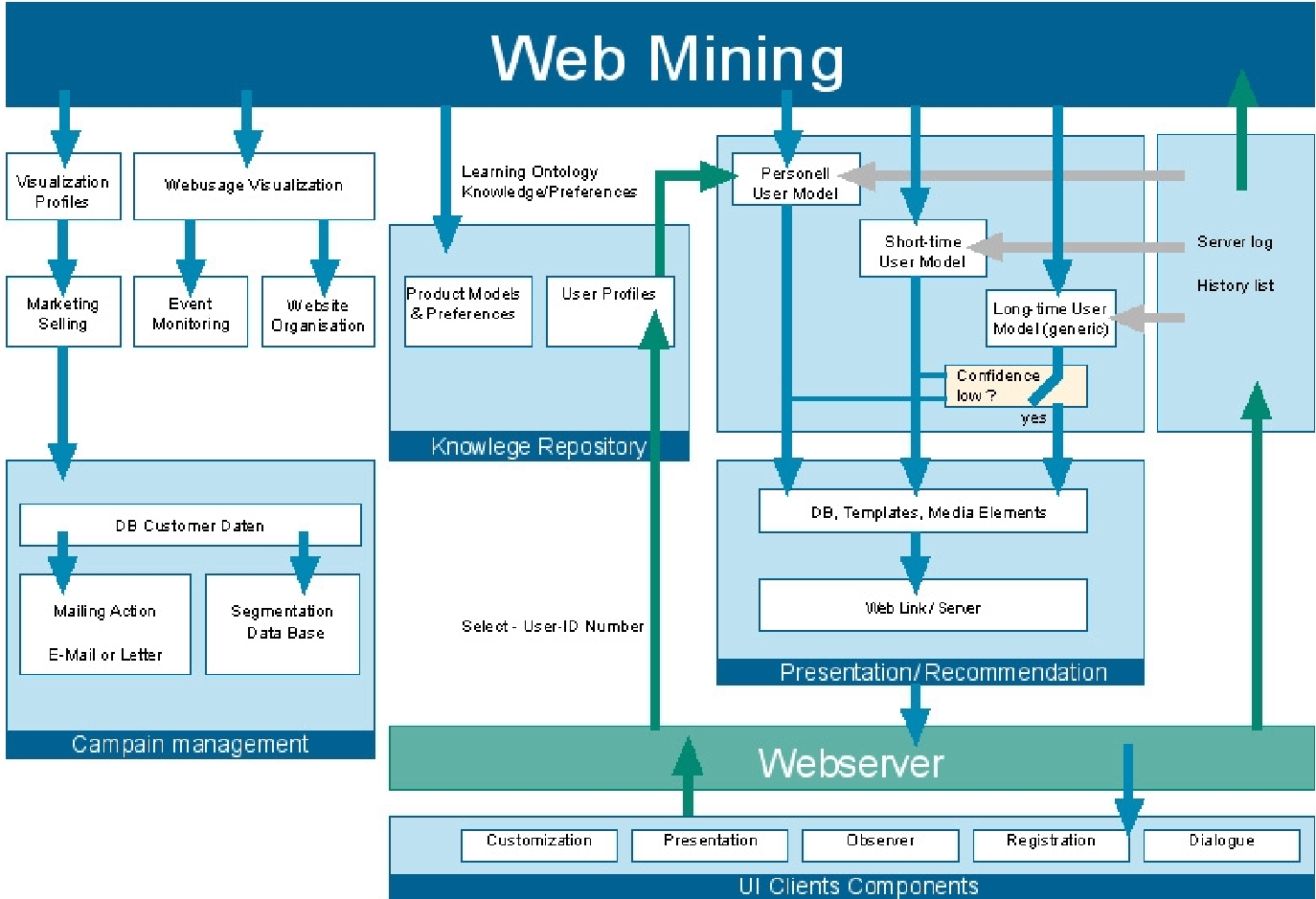 Figure 1: The integrated architecture showing the flow from raw logs to adaptive multimedia content.
Experiments and Data Insights
The paper demonstrates how raw log files (Figure 2) are transformed into structured paths (Tables 1 & 2). By analyzing these paths, the system can identify "potential buyer" nodes.
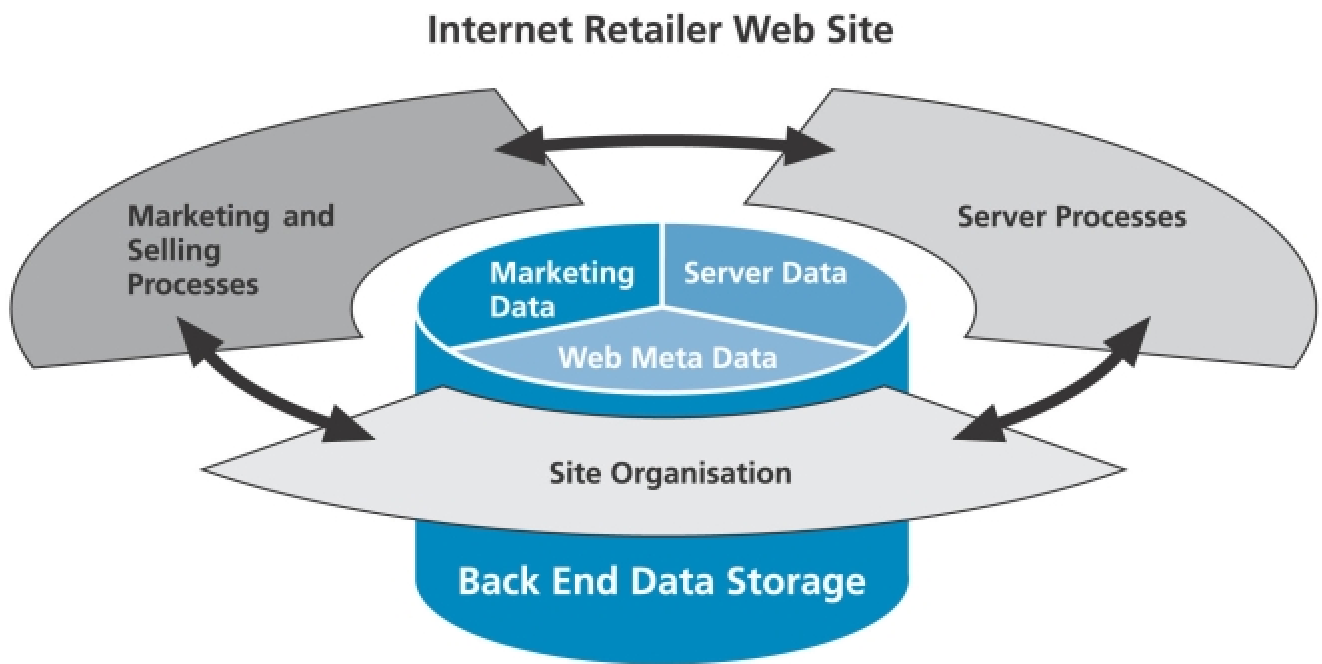 Figure 2: Sample of raw server logs used to reconstruct user navigation paths.
The experimental results emphasize Segmentation. By using learned rules as database queries, the system can isolate users who are likely to respond to specific advertisements, significantly reducing marketing waste.
Critical Analysis & Future Outlook
Strengths: The paper provides a very early and robust roadmap for what we now recognize as modern "Recommendation Engines." Its emphasis on interpretability via Decision Trees remains highly relevant for industries requiring explainable AI.
Limitations:
- Privacy: While the paper mentions "Permission Marketing," the heavy reliance on cookie logs and "Java Agents" faces significant technical and regulatory hurdles in today's privacy-centric (Post-Cookie) world.
- Complexity: The transition from a "Short-Term" to "Long-Term" model requires high computational overhead during peak traffic.
Takeaway for the Industry: The transition from static E-shops to "Intelligent Sales Assistants" is inevitable. The future lies in Incremental Learning—systems that don't just store data, but evolve their structural understanding of the user with every single click.