
From Connection to Cognition: Building Smart Social Networks via Plan Recognition
Intelligent social networks
The paper introduces an AI-driven architecture for "Intelligent Social Networks" using modern Plan Recognition techniques. By integrating modified GoalGraph and GraphPlan methods, the system infers user intentions from partial observations to provide autonomous, customized services and security features.
TL;DR
Social networks have mastered connectivity, but they remain "blind" to why users do what they do. This paper proposes a paradigm shift: Intelligent Social Networks. By leveraging AI Plan Recognition, the authors present an architecture that predicts user intentions from simple actions, enabling adaptive interfaces, hyper-personalized commerce, and proactive defenses against cyber-extortion.
Background: The Limits of "Dumb" Networks
Current social media platforms are largely reactive. They show ads based on keywords you typed yesterday or keep your interface static whether you are there to browse photos or hunt for a job. The authors argue that the "true revolution" occurs when the network becomes an observer capable of abductive reasoning—inferring your ultimate goal from a trail of breadcrumbs (partial actions).
The Problem: Why Static Platforms Fail
Traditional approaches suffer from three major pain points:
- Context-Free Commerce: Ads are often uninteresting or repetitive because they lack understanding of "intent."
- Rigid Interfaces: Platforms don't adapt to the user’s immediate journey, increasing friction.
- Reactive Security: Most systems fight identity theft after the damage is done, rather than catching the behavioral "signature" of an attacker in progress.
Methodology: The "Brain" of the Intelligent Network
The core innovation is the integration of GoalGraph and GraphPlan into the social ecosystem. Unlike older systems that required a "Plan Library" (a massive manual list of every possible thing a user might do), this architecture builds potential goal structures dynamically.
The Architecture
The system follows a three-step flow:
- Action Analyzer: Categorizes raw API interactions into meaningful "tasks."
- Plan Recognizer: The heart of the system. It uses a planning graph to generate candidate goals that are compatible with observed tasks.
- Behavior Modeler: Infuses personal context—preferences, location, and historical data—to weight the most likely plan.
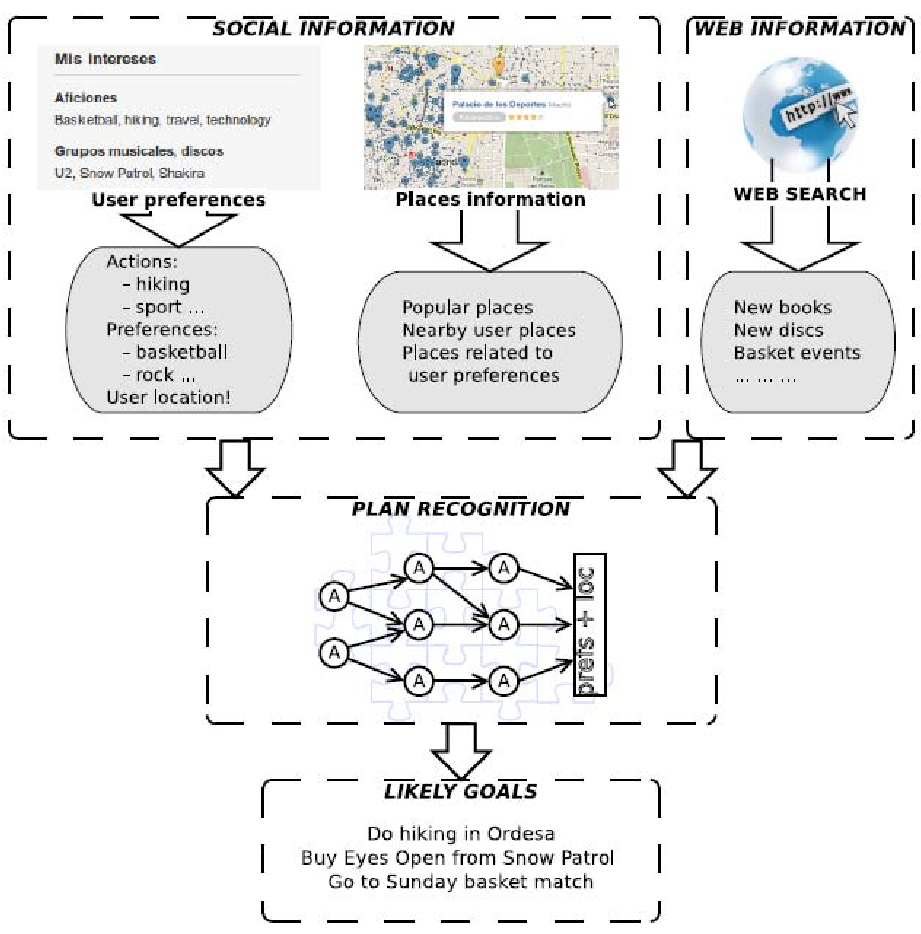 Figure 1: The proposed architecture featuring the interaction between the Plan Recognizer and Service Providers.
Why This Works
By building the graph incrementally, the system stays domain-independent. It doesn't need to know beforehand that you are planning a wedding; it sees you looking at flower shops, checking dress availability, and browsing venues, then "solves" the graph to identify the "Wedding Planning" goal.
Three Scenarios for a Smarter Future
1. Online Commercial Intentions
Instead of broad-spectrum advertising, the network acts as a Personal Shopping Assistant. If the system recognizes you are planning a trip, it offers relevant services (insurance, gear, guides) without sharing your private data with the providers directly.
2. Adaptive User Interfaces
Imagine a Facebook or Twitter that reorganizes its buttons and menus based on your current task. If you are uploading a batch of vacation photos, the "Edit Gallery" and "Tag" tools move to the forefront, reducing UI clutter.
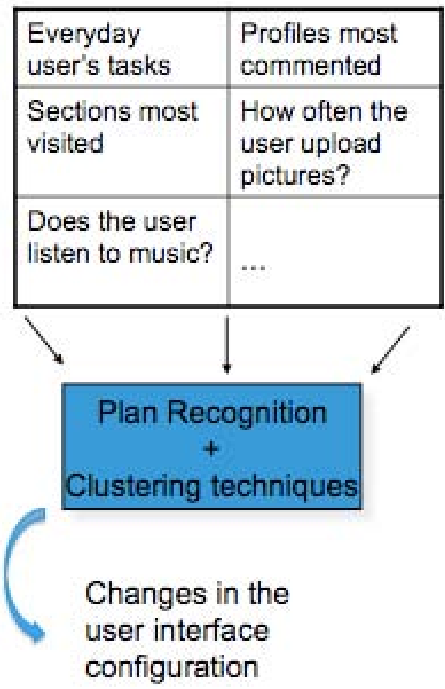 Figure 2: Workflow for dynamic UI adjustment based on predicted user routines.
3. Identity Theft & Extortion Detection
This is perhaps the most critical application. By modeling the typical behavior of "Victims" and "Aggressors," the Plan Recognizer can flag accounts that exhibit anomalous behavioral patterns—such as a sudden change in messaging frequency or access to unusual profile sections—detecting cyber-bullying or account hijacking in real-time.
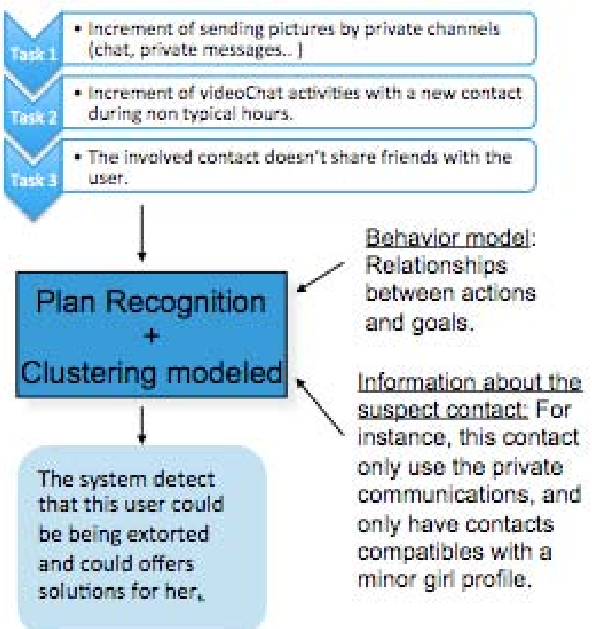 Figure 3: Identification of suspicious behavior through plan-based anomaly detection.
Critical Insight & Conclusion
The genius of this work lies in treating Goal Recognition as the inverse of Planning. While a planner asks "How do I get to Goal X?", this system asks "Given these actions, which Goal X was the user trying to reach?"
Takeaway: The next generation of social platforms will be defined by their autonomy. Systems that can anticipate user needs will not only be more profitable but will also provide a safer, "frictionless" experience.
Limitations: The paper acknowledges that GraphPlan-based approaches require high observability. In a world of decentralized apps and encrypted interactions, gathering a "full sequence" of user tasks may become the next major technical hurdle for intelligent networks.