
The Dynamics of Maturity: How Social Networks Age and Intensify
Interaction Patterns in a Multilayer Social Network
This paper investigates interaction patterns in a node-aligned multilayer social network of university students, focusing on the correlation between smartphone communications and face-to-face (Bluetooth-detected) interactions. Using the NetSense dataset, the study reveals how social network aging and the academic calendar influence student connectivity and selectivity over a two-year period.
TL;DR
By analyzing two years of smartphone data from university students, researchers have mapped the "aging" process of social networks. The study finds that while students talk to fewer people as time passes, they interact far more intensely with a select inner circle. This evolution is heavily punctuated by the academic calendar, showing a shift from exploration to high-selectivity maintenance.
Problem & Motivation: Beyond Static Graphs
Most social network analyses are snapshots—frozen moments in time that fail to capture the fluid reality of human relationships. The authors identified a critical gap: we don't fully understand how the "physical" world (face-to-face meetings) and the "digital" world (calls and texts) co-evolve as a social group moves from being strangers to a mature community. Why do some ties strengthen while others wither? And how does the "age" of the network itself change the rules of engagement?
Methodology: The Multilayer Lens
The study leverages the NetSense dataset, following 200 freshmen. The technical core lies in the Multilayer Alignment:
- Communication Layer: Granular logs of calls and SMS.
- Face-to-Face Layer: Proximity detected via Bluetooth signal strength (RSSI). Values above -65 dB were filtered to ensure biological "face-to-face" probability.
To measure "aging," the authors developed the Top Contact Retention Rate (TCRR). This allows them to see if users are concentrating their social energy on a few "VIP" contacts or spreading it thin as they meet more people.
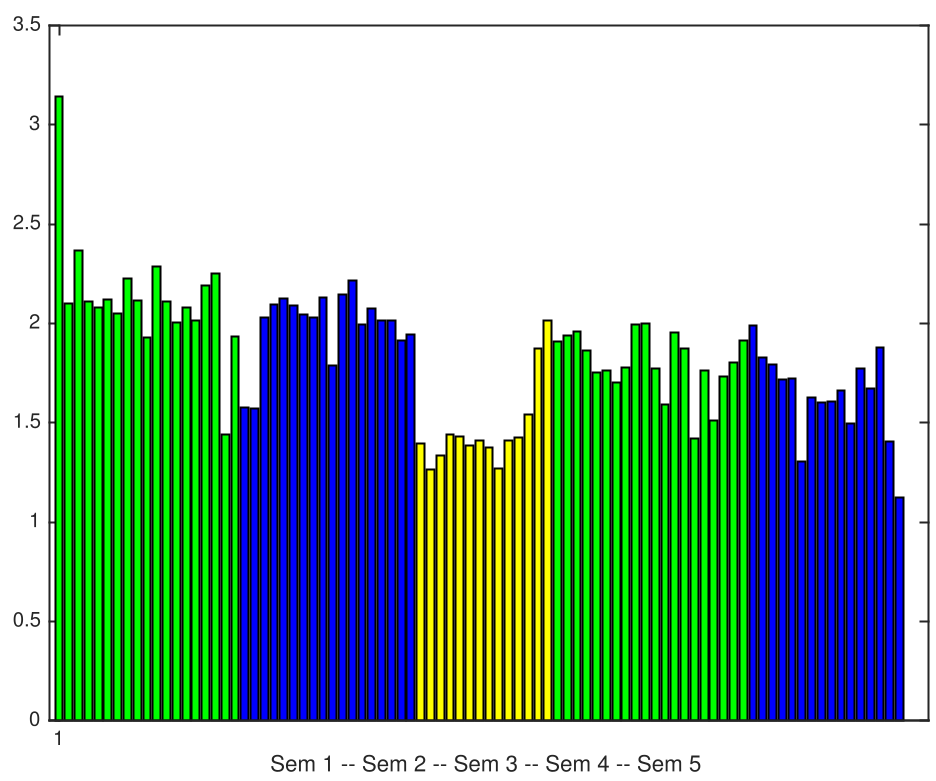 Fig 1. High correlation between digital communication volume and physical collocations.
Evolution and "Aging"
The most striking discovery is the Selectivity Trend. In the first semester, students are social butterflies, maintaining a high degree of contacts. By the fifth semester, the "network age" has increased; degrees drop, but interaction frequency per contact rises.
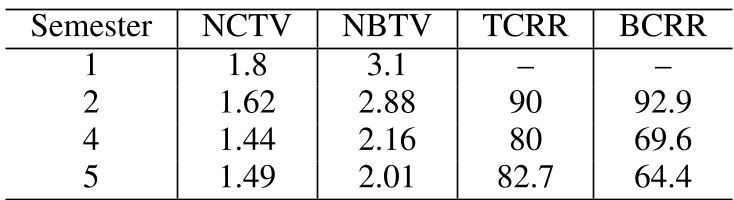 Key Evidence: TCRR (Top Contacts) remains higher than BCRR (Bottom Contacts), proving that as we age, we prioritize quality over quantity.
The "Introvert" Paradox
The paper adds a fascinating layer by comparing behavioral introverts and extroverts.
- Extroverts: Higher degrees (more contacts) but lower interaction volume per person.
- Introverts: Lower degrees but significantly higher intensity (4x the collocations per contact compared to extroverts).
This suggests that "introversion" in a social network isn't a lack of sociality, but a different allocation strategy of social capital.
Critical Insight: The Academic Pulse
The network is not a closed system; it breathes with the academic calendar. The researchers noted:
- Semester Peaks: Massive communication spikes at the start and end (finals) of semesters.
- The Summer Shift: A fascinating reversal where call volumes drop, but text messaging rises sharply—indicating a medium shift when students are physically distant.
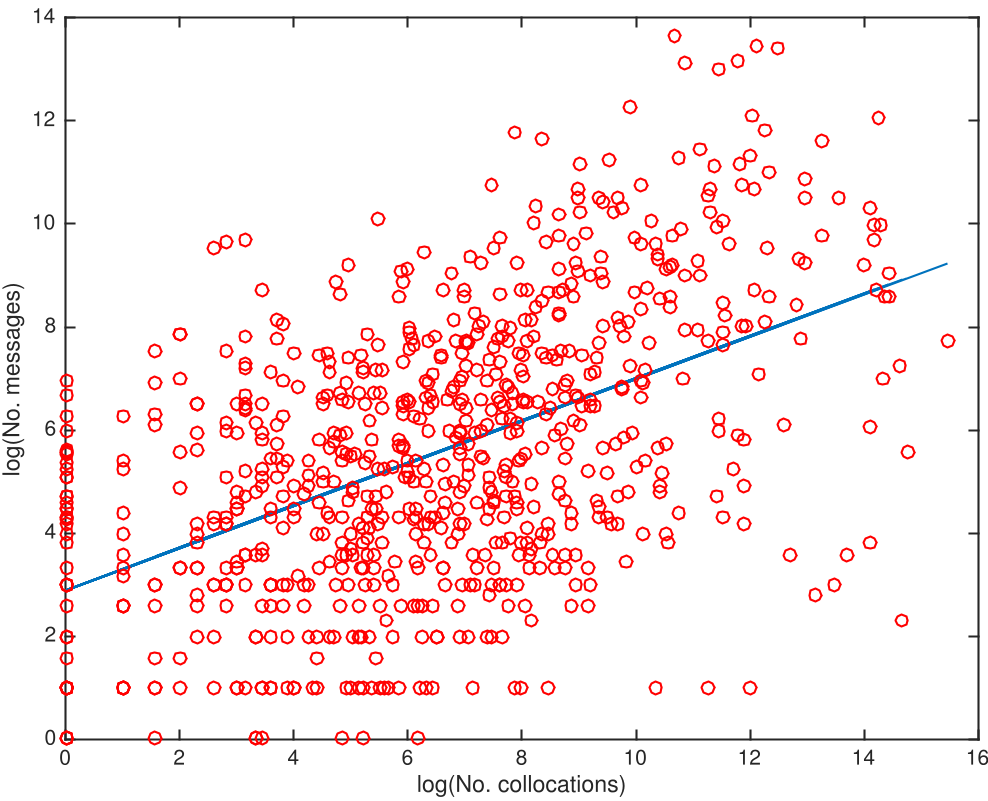 Fig 3. The decline of average node degree over the two-year span.
Conclusion and Future Outlook
This work provides a robust empirical foundation for the theory of Social Selectivity. The primary limitation is the specific demographic (freshmen), whose social patterns are uniquely volatile. However, for developers of social platforms and researchers in human dynamics, the lesson is clear: a "healthy" network isn't one that grows infinitely, but one that allows its members to successfully transition from broad exploration to deep, selective intimacy.