
Intelligent Partition Plate: Redefining Solo Dining Interaction in the Post-COVID Era
Exploring the Interactive Mode and User Experience of Dining Space Alone During the Post-Covid-19 Period from the Perspective of Cultural Probes
This paper introduces the "Intelligent Partition Plate System," a novel Human-Computer Interaction (HCI) framework designed for solo diners in the post-COVID-19 era. By applying Cultural Probes theory, the study develops a smart hardware interface that balances epidemic safety with the social psychological needs of individuals dining alone.
TL;DR
As the post-pandemic landscape reshapes our social fabric, solo dining has transitioned from a niche behavior to a mainstream necessity. This paper proposes the Intelligent Partition Plate System, a smart HCI solution that utilizes 5G and interactive hardware to bridge the gap between physical safety (social distancing) and the human need for connection. By leveraging the Cultural Probe method, the authors move beyond mere "hygiene barriers" to create a dynamic interface for the modern diner.
Problem & Motivation: The Paradox of the Partition
For decades, Eastern dining etiquette was built around the "circle"—the shared table. Solo diners were often an afterthought, relegated to corners or forced into awkward proximity with strangers. The COVID-19 pandemic introduced a new physical artifact: the acrylic partition.
While these barriers provided safety, they also created a "psychological cage," stifling the natural human desire for environment-sharing. The authors identified a critical gap: How can we design a dining space that maintains social distancing without imposing social isolation?
Methodology: High-Touch Meets High-Tech
The study employs a dual-layered research approach to ensure the design is grounded in authentic human emotion.
1. Cultural Probes (The "Why")
Instead of standard surveys, the researchers used "Cultural Probes"—a toolkit including mood diaries and first-person photo logs. This allowed participants to record their "inner emotions" and "interaction behaviors" across three stages:
- Before Experience: The anticipation and environmental scanning.
- During Experience: The physical act of dining and the feeling of the barrier.
- After Experience: The lingering sense of connection or isolation.
2. Geometric Shape Feature Trajectory (The "How")
The design team analyzed how people move and interact within the dining field. This led to the development of the Intelligent Partition Plate System B1.
 Figure 1: Conceptual overview of the solo dining interactive mode.
The Core Innovation: Designing Interaction Modes
The proposed system isn't just a piece of plastic; it's a 5G-enabled communication hub. The "Smart Partition" features:
- Inductive Components & Video Lenses: To detect presence and facilitate visual communication.
- Dynamic Geometric States:
- Meal Status (Closed): Focuses on safety and hygiene.
- No-Meal Status (Open/Interactive): The square opening design indicates an "Interactive State," allowing diners to communicate with neighbors safely.
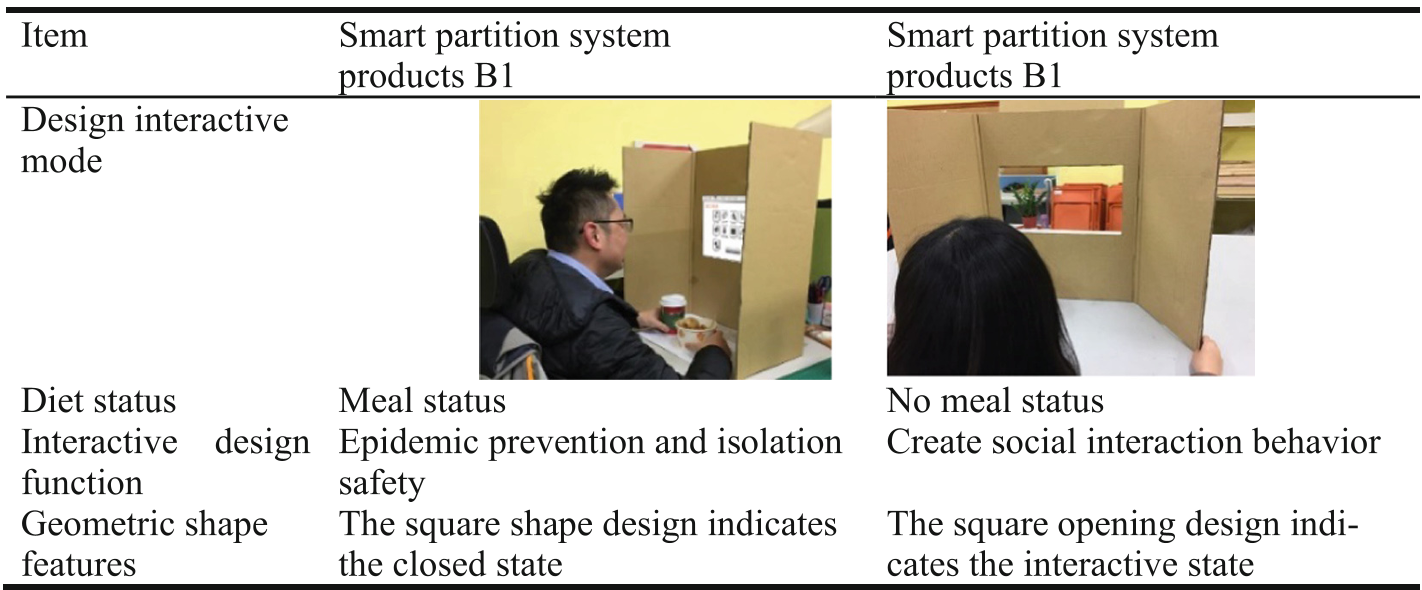 Table 1: User experience modes for the Smart Partition System B1.
Experiments & Results: Validating the Experience
Through simulation testing and participant interviews (utilizing the "First-Person Perspective"), the study confirmed that System B1 successfully creates a "Personal Space Experience."
Key findings included:
- Safety vs. Sociality: The system provides a "buffer window" that reduces the awkwardness of direct eye contact while enabling social discovery.
- Humane Interaction: Participants felt that the partition felt more like a "smart assistant" than a "sterile wall."
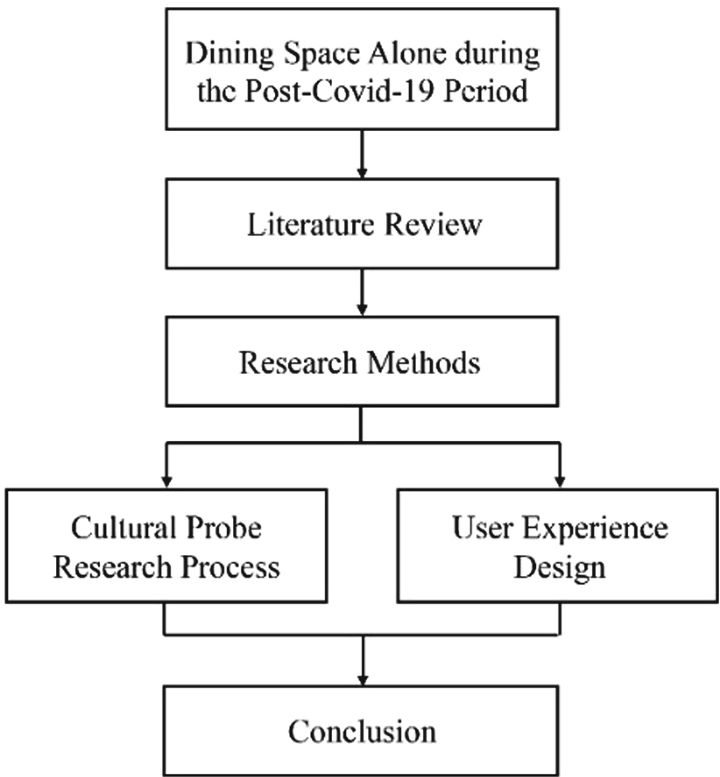 Figure 2: The iterative Cultural Probe research process used to refine the system.
Critical Insight & Conclusion
The true value of this work lies in its re-interpretation of the barrier. In architectural and product design, we often see partitions as "subtraction" (taking away interaction). This paper argues for partitions as "addition" (adding a new layer of digital interaction).
Limitations & Future Work
While the concept is robust, the study's small sample size (6 participants) serves as a pilot rather than a global standard. Future iterations would benefit from:
- Privacy Analysis: Addressing the ethical implications of video lenses in dining areas.
- Cost-Benefit Feasibility: High-end 5G partitions might be cost-prohibitive for small local restaurants.
Ultimately, the "Intelligent Partition Plate System" proves that in the post-pandemic era, technology should not just protect our health—it should protect our humanity.