
One Step: Using Interactive Installations to Shatter the "Us vs. Them" Poverty Myth
One Step: Interactive Posters to Raise Awareness of Poverty
One Step is an interactive HCI (Human-Computer Interaction) installation project designed to raise awareness of local poverty among college students. Using motion tracking, facial recognition, and social media integration, the system creates immersive "embodied experiences" to bridge the empathy gap between students and those living in poverty.
TL;DR
"One Step" is a multi-modal awareness campaign that utilizes interactive posters, motion graphics, and social media to confront the invisibility of poverty on college campuses. By using facial recognition to literally put students in the "shoes" of the impoverished, the project moves beyond statistics to create a visceral, emotional connection that drives community action.
Problem & Motivation: The Awareness Gap
In many university towns, a stark divide exists between the student body and the local community. In Brazos County, Texas, nearly 30% of the population lives below the poverty line, yet a survey revealed that 71% of Texas A&M students were unaware of this fact.
The authors identified two core issues:
- Misconception of Agency: The belief that poverty is easily escaped through "hard work," ignoring systemic barriers.
- Lack of Relatability: A psychological distance that leads students to ignore local suffering.
The research insight was clear: static flyers weren't enough. To change minds, the intervention needed to be immersive and personal.
Methodology: Engineering Empathy through HCI
The core of the project consists of two distinct interactive installations built using a stack of Arduino, Processing, and Madmapper.
Installation 1: Putting the User "In the Shoes"
This installation uses a webcam and a silhouette-based facial recognition system. As a student stands before the screen, their own face is integrated into a motion graphic.
- The Narrative Arc: The user starts in a secure home. Items slowly fade away—representing the erosion of stability—until the environment transitions into a loud, busy street corner.
- The Goal: To demonstrate how quickly life circumstances can change, making the user realize that "poverty can affect anyone, even you."
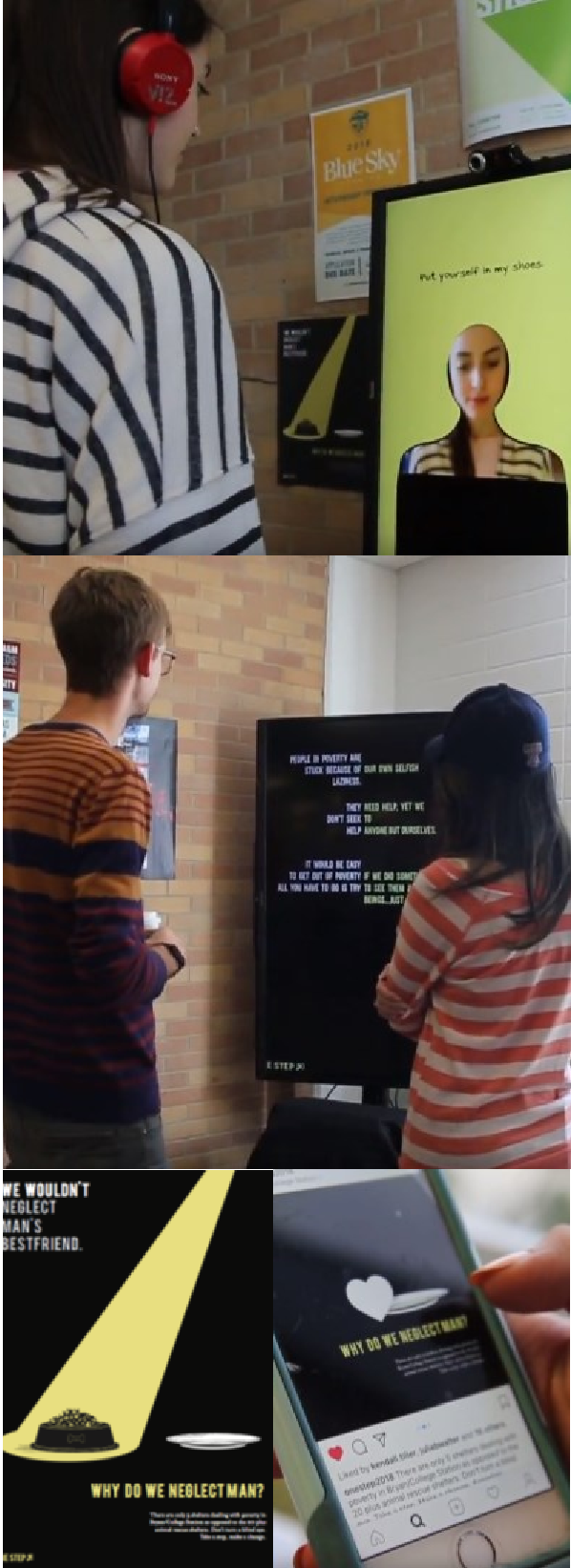 Figure 1: The holistic campaign structure connecting physical installations with digital social media loops.
Installation 2: Community Action vs. Apathy
The second poster utilizes motion tracking to simulate the impact of collective attention.
- The Interaction: The left side of a monitor displays harsh poverty stereotypes. When a user moves (interacts), positive, humanizing messages appear on the right.
- The Feedback Loop: If the user stops moving, the positive messages fade. This serves as a metaphor: poverty doesn't disappear if we look away; it requires active, sustained community effort to "overwrite" the narrative.
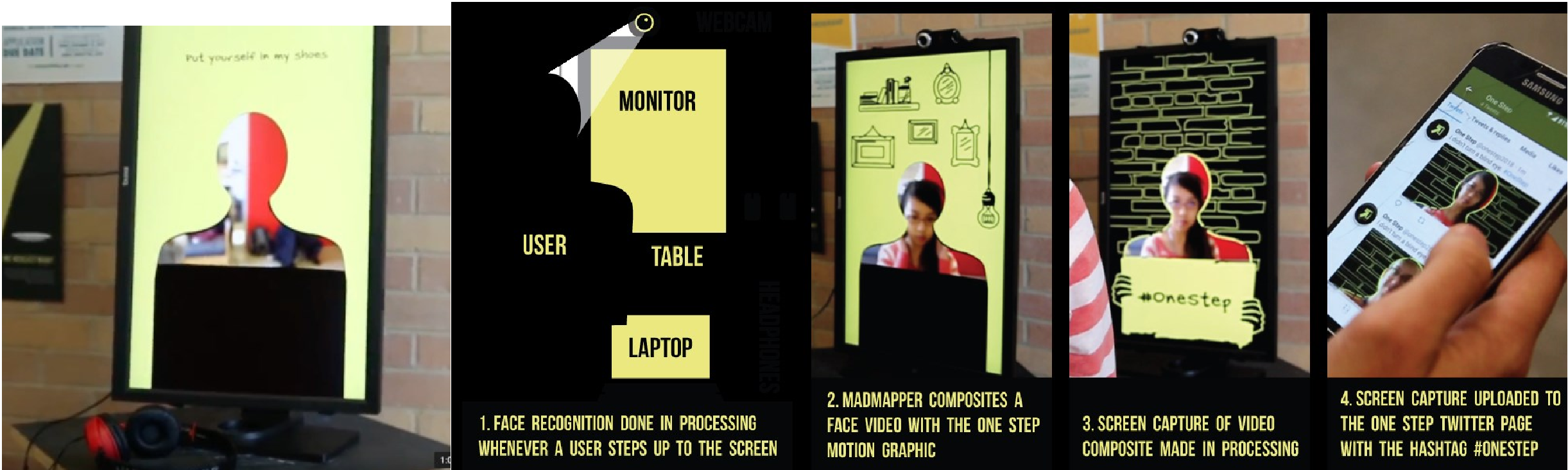 Figure 2: Technical diagram and Twitter integration for the interactive experience.
Experiments & Results: Sparking Dialogue
The "One Step" posters were exhibited at a semester-end show, targeting university students who had no prior knowledge of the campaign.
- Emotional Impact: Observations showed significant behavioral changes. Participants didn't just walk past; they stopped, engaged, and expressed genuine shock at the statistics (e.g., "Is that true?").
- Bridging to Action: Unlike many digital-only campaigns, "One Step" used the emotional peak of the interactive experience to hand out physical flyers and drive traffic to a social media campaign where real testimonies from Habitat for Humanity were shared.
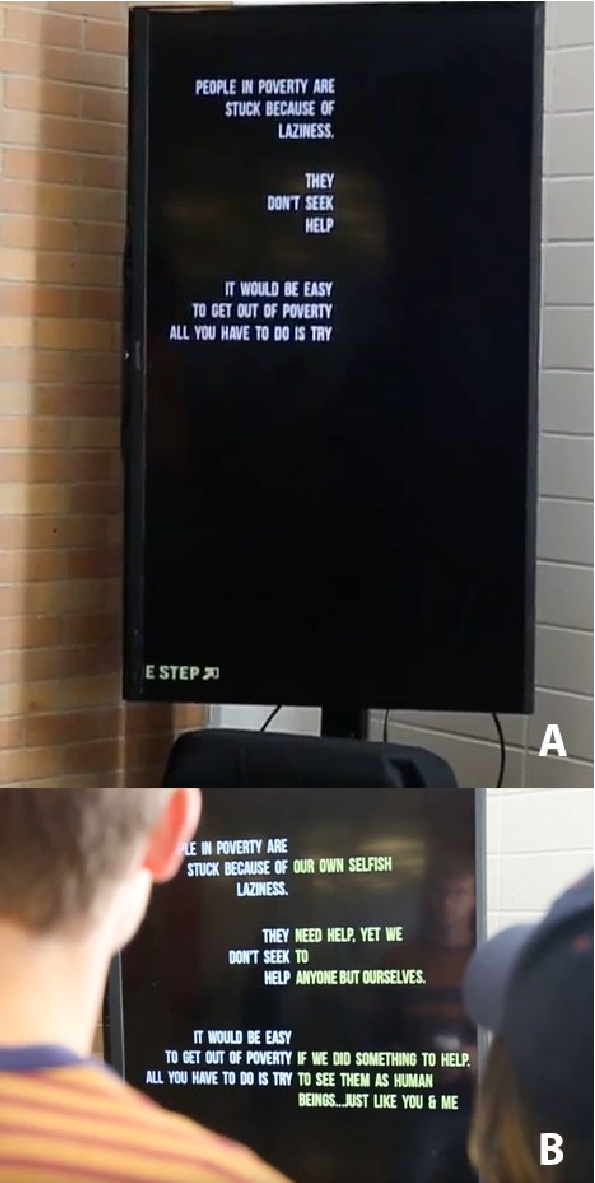 Figure 3: Students interacting with the 'Community Action' installation.
Critical Analysis & Conclusion
Takeaway
The success of "One Step" lies in its transition from Passive Observation to Embodied Interaction. By making the user the protagonist of a poverty narrative, the researchers successfully bypassed the typical "defense mechanisms" people use to ignore uncomfortable social issues.
Limitations & Future Work
While the emotional response was strong, the long-term impact on volunteering rates remains to be quantified. Future iterations aims to include more real-world testimonies from local families, further humanizing the data. As the researchers suggest, the goal is to shift the perspective from viewing those in poverty as "the other" to viewing them as "neighbors with purpose and dignity."
One Step demonstrates that in the age of "awareness fatigue," the key to social change might lie in the creative application of interactive technologies to foster genuine human empathy.