
ActivePlay: Redefining Educational Engagement via Interactive Crowdsourced Storytelling
Examining the Impact of an Interactive Storytelling Platform on Educational Contexts Through Contemporary Crowdsourcing Methods of Audiovisual Content Publishing
This paper introduces ActivePlay Education, a prototype interactive digital storytelling platform integrated with crowdsourcing mechanisms for cross-platform audiovisual content delivery. The study focuses on a participatory design approach with educators to evaluate how non-linear, interactive narratives can enhance language learning and creative expression in STEM and primary education.
TL;DR
ActivePlay Education is a novel platform that transforms passive video watching into an interactive, non-linear learning experience. By combining Crowdsourcing for Education (CfE) with advanced narrative designs, it allows educators to create "choose-your-own-adventure" style educational content. Initial feedback shows a massive potential for literacy and creativity, provided that privacy and content protection issues are resolved.
Background & Motivation: Beyond the Linear Video
Humans are naturally narrative-driven creatures. In pedagogy, storytelling serves cognitive, social, and emotional functions. However, despite the surge in mobile devices and IoT, many digital storytelling tools are still "digital versions of paper books"—linear and non-interactive.
The authors argue that the real power of digital narratives lies in Interaction Design. By transitioning control from the author to the audience, students become active participants in the knowledge-construction process rather than just passive consumers.
Methodology: The Architecture of Interaction
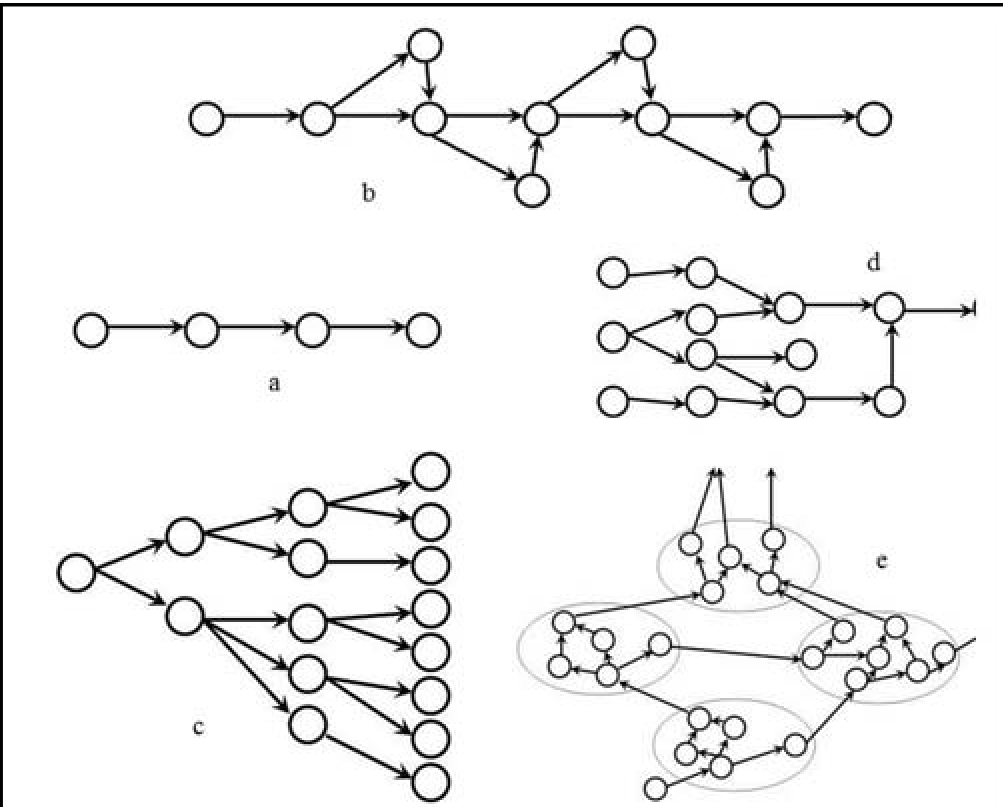
The core innovation of ActivePlay lies in its ability to handle five specific types of narrative designs. As seen in the architecture below, the system relies on a "Beat" system—the smallest unit of a story—that dictates the flow of the user experience.
The Three Pillars of ActivePlay
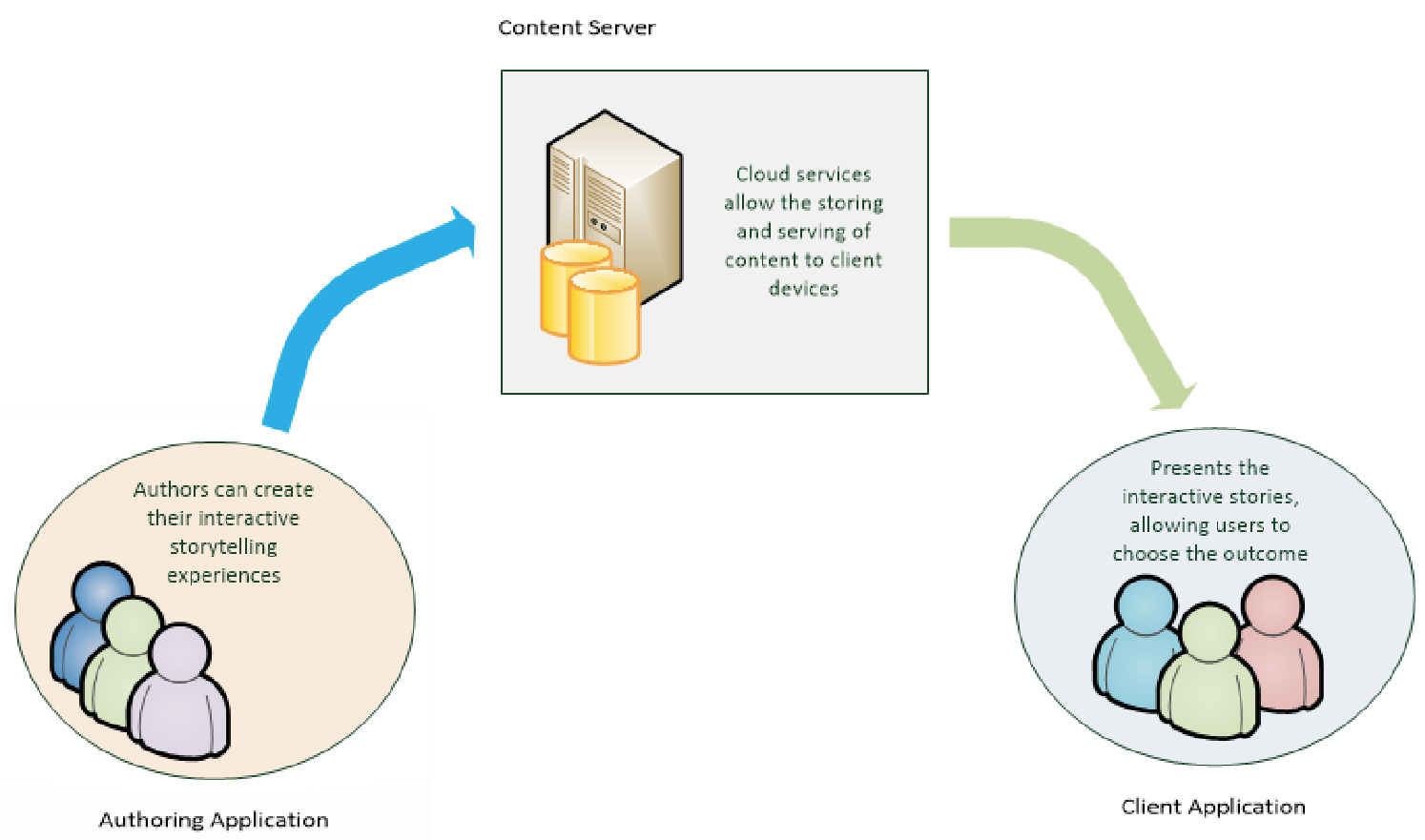
- Client Application: An iPad interface where students engage with the branching videos.
- Authoring Utility: A logic-builder that allows teachers to "wire up" different video clips (beats) into complex paths without needing deep coding skills.
- Content Server: A cloud-based hub that facilitates the "Crowdsourcing" element, allowing for the distribution of these narratives.
Pilot Results: High Motivation vs. Privacy Skepticism
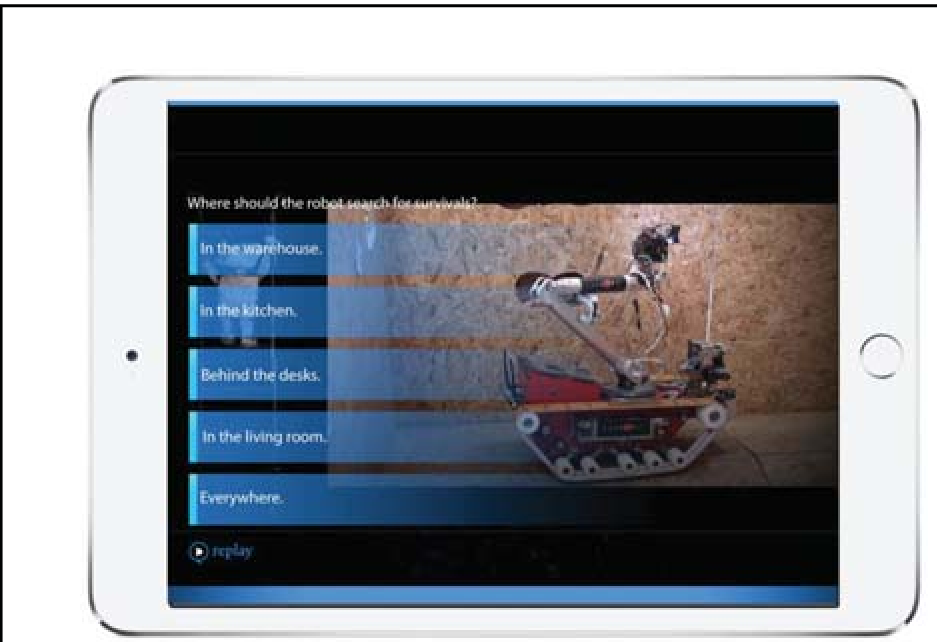
The Minimum Viable Product (MVP) was tested with a fairy tale called "Little Star’s Big Adventure" targeting children aged 4-8.
Key Findings:
- Pedagogical Alignment: Educators instantly saw the value for Linguistic Communication and Emergent Literacy.
- Engagement: The interactivity was noted as a primary driver for student motivation.
- The Crowdsourcing Barrier: While five out of nine teachers were excited to create content, there was a universal hesitation to share it globally. The "Crowd Wisdom" approach hits a wall when it comes to content ownership and privacy.
Critical Insight: The "Privacy-Interactivity" Paradox
The most profound takeaway from this research isn't just that "kids like interactive videos"—it's that educational crowdsourcing is inhibited by the lack of a legal/technical framework for creators. Educators are willing to be consumers of the crowd's wisdom but are protective producers.
For ActivePlay or any similar platform to move from a prototype to a global SOTA (State-of-the-Art) tool, it must integrate a robust Digital Rights Management (DRM) layer or a private-sharing mesh that respects the institutional boundaries of schools.
Conclusion and Future Work
ActivePlay proves that the technical hurdles of branching video on mobile devices are largely solved; the remaining challenges are HCI (Human-Computer Interaction) and Policy. Future iterations will focus on cross-platform accessibility and refining the authoring tool to minimize the "skepticism of complexity" expressed by some teachers.
As we move toward more immersive educational technologies, the role of the narrator will evolve into a "designer of experiences," and ActivePlay is an early roadmap for that transition.