
Gender in the Making: Breaking the "Silicon Ceiling" of Makerspaces
International Journal of Human - Computer Studies
This empirical study explores gender relations in the European maker movement using a mixed-methods approach (interviews, social media analysis, and machine usage data). It identifies persistent "male-dominated" cultures and "gendered" technology use, ultimately proposing a "Bechdel Test for Makerspaces" to foster inclusivity.
TL;DR
The maker movement—often hailed as the "New Industrial Revolution"—claims to be open to everyone. However, a deep-dive empirical study of 10 European makerspaces reveals that these "open" labs often mirror the same gender inequalities found in traditional STEM fields. From "gendered" machinery (why is 3D printing seen as "macho"?) to the lack of female role models in leadership, this study highlights that "open doors" do not automatically result in inclusive cultures.
Problem: The Myth of Radical Inclusion
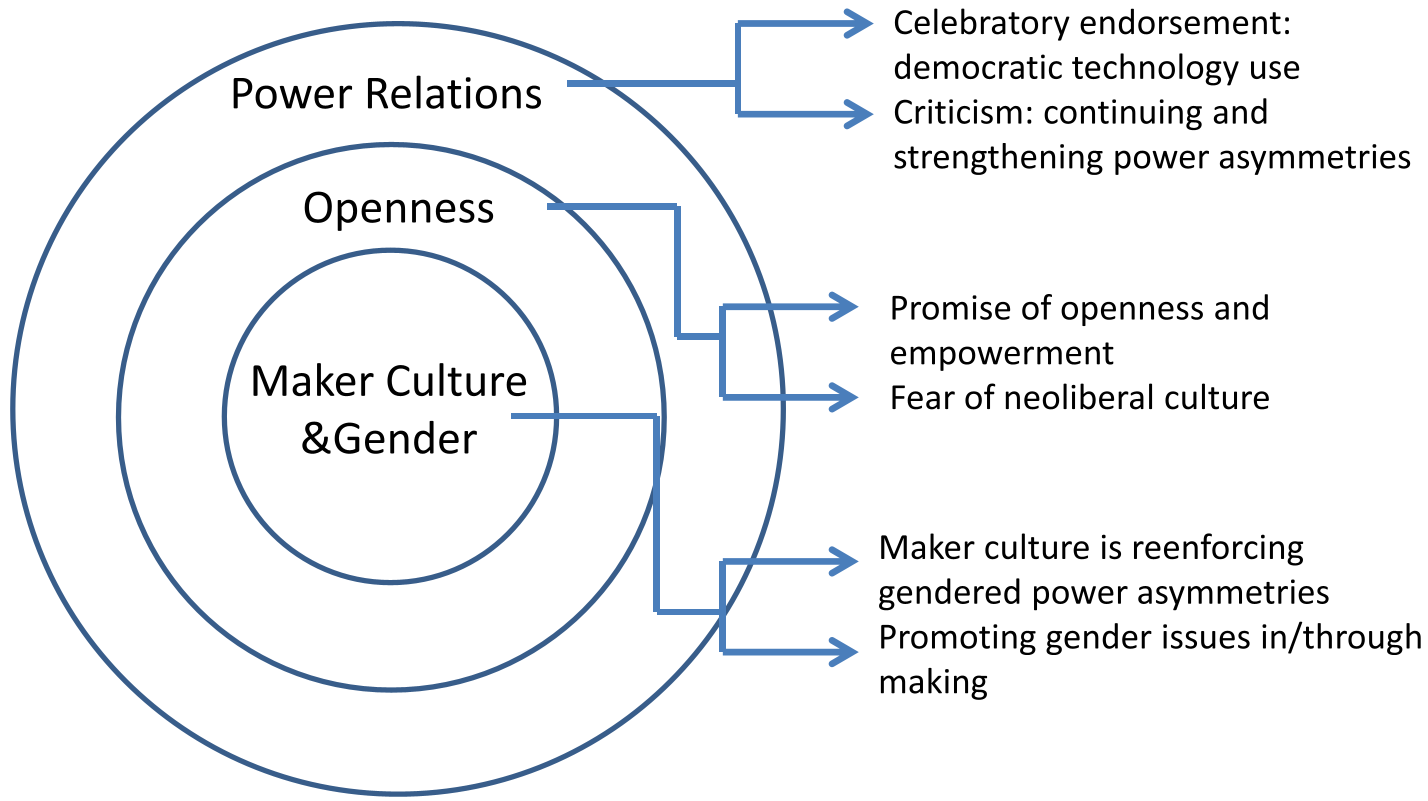
The core philosophy of the maker movement is rooted in DIY culture and open-source sharing. Theoretically, anyone with an idea can walk into a FabLab and use a laser cutter. But in practice, makerspaces often feel like "high-tech factories" or "boys' clubs."
The authors identify a critical gap: Openness ≠ Accessibility. When a space is designed by men, managed by men, and marketed with technical "mansplaining," it creates a "chilly climate" for women. This isn't just about presence; it's about recognition. Even when women "make," their work (often involving textiles or aesthetics) is frequently dismissed as "crafting" rather than "real making."
Methodology: Triangulating the "Macho" Machine
To understand these dynamics, the researchers didn't just ask for opinions—they looked at hard data:
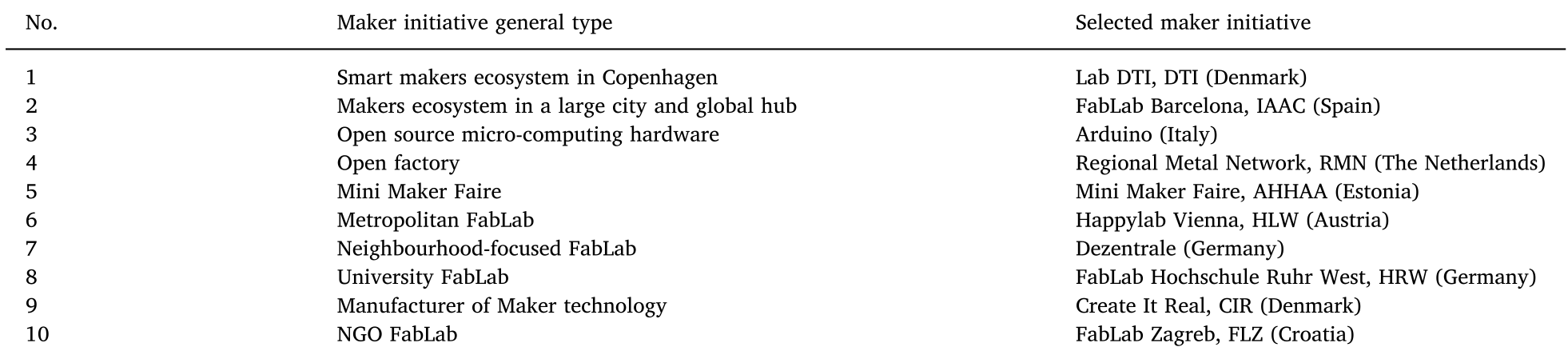
- Machine Usage: Analyzed 55,450 data points from Happylab Vienna to see who is using what.
- Social Media Analysis: Scrutinized 655 Facebook images to see how these spaces represent themselves visually.
- Qualitative Interviews: 39 deep-dives with managers and makers to uncover the "unspoken" culture.
Core Insight: The Genderization of Objects
One of the most fascinating findings is the "genderization" of specific machines.
- The Plotter: Proportional to their population, twice as many females use the cutting plotter compared to males.
- CNC & 3D Printing: Heavily dominated by males. Interviewees noted that 3D printing is often viewed as a "typical macho instrument," focused on the technology itself rather than the outcome.
The study describes "Accidental Technologists"—usually younger women entering the scene through arts or design—vs. "Traditional Tinkers"—usually older males with engineering backgrounds.
Results: Visual Evidence of the Gap
The social media analysis confirmed a visual bias. In Facebook galleries, 65% of individuals portrayed were male. Images on official websites often displayed infrastructure rather than "females at work." Furthermore, quantitative usage data showed:
- Membership Duration: Female memberships are shorter on average.
- Investment: Females tend to choose "small" memberships, while males are 5x more likely to pay for "extensive" tiers, suggesting a difference in how genders prioritize making in their lives (likely influenced by financial backgrounds and societal expectations).
Conclusion: The Bechdel Test for Makerspaces
How do we move forward? The authors suggest that "pink-washing" or one-off "Girls' Days" aren't enough. We need to broaden the definition of making to include bio-making, textiles, and design.
To help makerspace managers self-reflect, the study proposes a modified Bechdel Test:
- What % of members identify as female or non-binary?
- Do these groups actually make things (rather than just observing)?
- Do they lead their own projects?
- Is there a female or non-binary manager in the lab?
Takeaway
The maker movement has the potential to empower, but only if it acknowledges its own blind spots. By changing language (moving away from hyper-technical jargon) and providing visible role models, makerspaces can shift from being "garages for boys" to inclusive hubs of social innovation.
Reference: Eckhardt, J., et al. (2021). "Gender in the making: An empirical approach to understand gender relations in the maker movement."